
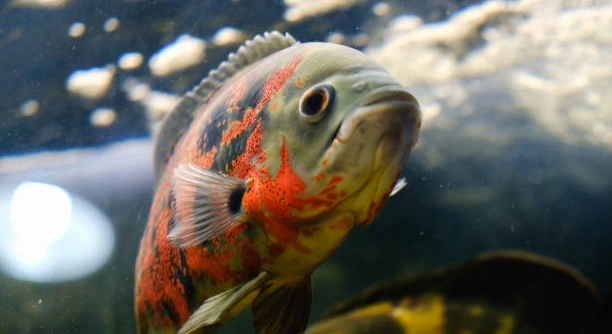
Oscar fish are fascinating creatures with distinct behaviors. As a pet owner, you may wonder how these fish respond to changes in their tank environment. Understanding their reactions is key to providing a healthy habitat for them.
Oscar fish can sense changes in their tank environment, such as water quality, temperature fluctuations, and tank rearrangements. These changes can lead to stress, which may impact their behavior, health, and overall well-being.
Tank changes can be stressful for your Oscar fish. Recognizing their reactions and knowing how to manage these shifts will help you create a more stable and healthy environment for them.
How Tank Changes Affect Oscar Fish
Oscar fish are highly sensitive to their surroundings. When there’s a shift in their tank, whether it’s a change in water temperature, filtration, or decoration, it can cause stress. These fish thrive in stable conditions, and any disruption can make them feel uneasy. The impact of tank changes on their health is not always immediately visible but can have lasting effects. For example, temperature fluctuations might lead to poor appetite or lethargy. Water quality changes can cause skin problems or breathing difficulties. Over time, if these changes are frequent or significant, it may weaken their immune system and make them more vulnerable to diseases.
It’s important to monitor how your Oscar reacts to changes in the tank.
Being mindful of your Oscar’s needs during these transitions will help prevent unnecessary stress. Keeping the water quality consistent and making gradual changes to the environment will allow them to adjust without negative effects.
How Oscar Fish React to New Tank Decorations
When you introduce new decorations or rearrange the tank, Oscars can get confused or stressed. They are territorial creatures and may feel threatened if the changes disturb their usual space. It might take time for them to adjust to the new layout. Initially, they might swim nervously or hide. The fish could display aggression or reluctance to eat as they become familiar with the changes. This stress can lead to physical issues, including changes in their eating habits or behavior.
A gradual change is always best when rearranging the tank.
It’s also essential to keep their environment clean. A dirty tank after a change can intensify their stress, leading to potential health problems. Offering plenty of hiding spots can help them feel more secure. Consistency is key to ensuring they stay comfortable. A stable environment allows them to adapt over time and reduces unnecessary tension.
How Temperature Fluctuations Affect Oscar Fish
Temperature changes can significantly impact Oscar fish. These fish prefer stable water temperatures, typically around 75-80°F (24-27°C). Fluctuations can cause stress, affecting their eating habits and overall health. If the temperature drops or rises suddenly, Oscars may become sluggish, eat less, or even stop swimming altogether.
Keeping the water temperature stable is crucial for their well-being.
If the water is too cold or too hot, Oscars may experience weakened immune systems. This makes them more prone to diseases. Monitoring the temperature regularly, using a reliable heater, and ensuring consistent conditions can help reduce stress.
How Water Quality Changes Impact Oscar Fish
Water quality is essential for keeping your Oscar healthy. Changes in water conditions, such as pH levels or chemical imbalances, can cause serious stress. Oscars are especially sensitive to ammonia and nitrites in the water, which can lead to skin irritation and respiratory issues.
Frequent water changes and proper filtration will help maintain good water quality.
Poor water quality often results from overfeeding or inadequate filtration. This stress can weaken the fish’s immune system, making them more vulnerable to infections. Regular water checks and consistent cleaning of the tank help prevent these issues and keep your Oscar comfortable.
How Lighting Affects Oscar Fish
Lighting changes can also stress Oscar fish. These fish tend to be more active when the light is dim and calmer in bright light. Sudden shifts in lighting may cause them to become disoriented or overly stressed.
Gradual changes in lighting will help your Oscar adjust without added stress.
Ensure the light is not too intense or left on for long periods. Dim lighting in the evening and a consistent day-night cycle help maintain your Oscar’s comfort.
Tank Size and Space
Oscar fish need a spacious environment to thrive. A small tank can lead to overcrowding, causing stress and aggressive behavior. Oscars grow quickly, so a tank should be at least 75 gallons to accommodate their size.
A larger tank provides better water quality and comfort.
With more space, Oscars feel less confined and more relaxed. A well-sized tank also ensures better oxygen levels and overall tank stability, which reduces stress and improves your fish’s health.
FAQ
Can Oscar fish live in a tank with other fish?
Oscar fish can live with other fish, but they are known for their territorial nature and can be aggressive, especially as they grow larger. It’s best to keep them with larger, peaceful species that can handle their size and behavior. Smaller or more passive fish may be stressed or even harmed by the Oscar’s aggression. Adding hiding spots and plenty of space can help reduce territorial issues and improve harmony in the tank. Always keep an eye on interactions to ensure the safety of all tankmates.
How can I reduce stress in my Oscar fish?
To reduce stress in your Oscar fish, maintain a consistent environment. This includes stable water temperatures, good filtration, and regular water changes. Avoid sudden changes in their tank setup or water conditions, as Oscars can be sensitive to disruptions. Providing hiding places and enough space for them to move freely can also help them feel secure. Reducing noise and avoiding tapping on the glass are simple but effective ways to minimize stress.
What should I feed my Oscar fish?
Oscar fish are carnivores and thrive on a diet of high-protein foods. Their diet can include pellets, live or frozen foods such as worms, shrimp, and small fish. It’s important to feed them a variety of foods to ensure they receive all the nutrients they need. Overfeeding should be avoided, as it can lead to water quality problems and health issues. Feed your Oscar two to three times a day, but only what they can consume in a few minutes. Clean up any leftover food to maintain a healthy tank environment.
How often should I change the water in an Oscar tank?
For a healthy Oscar tank, it’s recommended to change 20-30% of the water every week. Oscars produce a lot of waste, and regular water changes are essential for maintaining good water quality. Use a water testing kit to monitor ammonia, nitrite, and nitrate levels. If the tank is heavily stocked or the water quality deteriorates faster, you may need to change the water more frequently. Always make sure the replacement water is treated to remove chlorine and is at the same temperature as the tank.
Can Oscar fish get along with other aggressive fish?
While Oscar fish can be aggressive, they may get along with other aggressive species, provided they are of similar size and temperament. Fish such as other large cichlids or fast-moving fish like certain types of catfish can be good tankmates. However, the key is to provide enough space and structure in the tank to give each fish its territory. Monitor the interactions closely, as even with similar temperaments, some fish may still clash.
Why is my Oscar fish hiding all the time?
Oscar fish may hide for several reasons, including stress, poor water quality, illness, or a change in their environment. If you’ve recently made any changes to the tank, such as adding new decorations or rearranging the layout, your Oscar may just need time to adjust. Stress from a noisy environment or the presence of aggressive tankmates can also cause them to hide. Check the water parameters to ensure they are within a safe range. If hiding persists or is accompanied by other signs of illness, such as loss of appetite or abnormal swimming, consider consulting a vet.
How long do Oscar fish live?
Oscar fish typically live between 10 to 15 years in a well-maintained tank. Factors like water quality, diet, tank size, and overall care can affect their lifespan. Proper tank conditions and regular maintenance will help your Oscar live a long, healthy life. Some Oscars have even been known to live longer than 15 years with the right care, so be prepared for a long-term commitment if you decide to keep one as a pet.
What size tank is best for an Oscar fish?
Oscar fish require a large tank due to their size and activity level. A minimum of 75 gallons is recommended for one Oscar, with larger tanks being even better, especially as they grow. As Oscars can reach up to 12-14 inches in length, they need plenty of swimming space. A larger tank also helps maintain better water quality, which is crucial for the health of your fish. In a cramped tank, they may become stressed, which can lead to aggressive behavior or health problems.
Why is my Oscar fish eating so much?
Oscar fish are opportunistic feeders, and they often eat more than they need. It’s common for them to eat a lot when food is available, especially if they’re growing. However, overfeeding can cause health problems, including obesity and poor water quality. Try to regulate their food intake, feeding them only what they can eat within a few minutes. If your Oscar seems constantly hungry, ensure that it’s not a sign of an underlying health issue, such as a parasite or digestive problem.
What should I do if my Oscar fish is sick?
If your Oscar fish shows signs of illness, such as faded color, unusual swimming behavior, or loss of appetite, first check the water quality. Poor water conditions are often the cause of health problems. If the water is fine, the issue could be a bacterial or parasitic infection. Isolate the sick fish if necessary, and consider using appropriate medications to treat the illness. Always consult with an experienced fish vet or an aquarist for specific advice if the symptoms persist. Early intervention is key to getting your Oscar back to good health.
Final Thoughts
Taking care of an Oscar fish can be a rewarding experience, but it does come with challenges. These fish are intelligent, active, and have distinct personalities, which make them fascinating to observe. However, they are also sensitive to changes in their environment. Understanding their needs and providing the right conditions is crucial for their health and happiness. Consistency is key when it comes to water quality, temperature, and tank setup. If you can provide a stable and secure environment, your Oscar will likely thrive.
While Oscars can adapt to various tank conditions, sudden changes can cause stress and lead to health problems. Whether it’s temperature fluctuations, water quality issues, or even rearranging their tank decorations, these changes can affect your fish in significant ways. It’s important to make adjustments gradually and observe how your Oscar responds. If you notice signs of stress, such as reduced activity or appetite, it’s time to check the tank conditions and make improvements. Providing hiding spots and enough space can also help reduce stress and allow your Oscar to feel more secure.
Ultimately, the goal is to create a comfortable and stable environment for your Oscar fish. Keeping the water clean, monitoring the temperature, and feeding a balanced diet are all important steps in ensuring your fish lives a long, healthy life. Oscars may require a bit more attention than other fish, but their unique behavior and beauty make them an excellent choice for experienced fish owners. With the right care, they can be a wonderful addition to your aquarium for many years.

Hello,
If you enjoy the content that we create, please consider saying a "Thank You!" by leaving a tip.
Every little bit helps us continue crafting quality advice that supports the health, happiness, and well-being of pets around the world, for pets of all shapes, sizes, and species.
We really appreciate the kindness and support that you show us!