
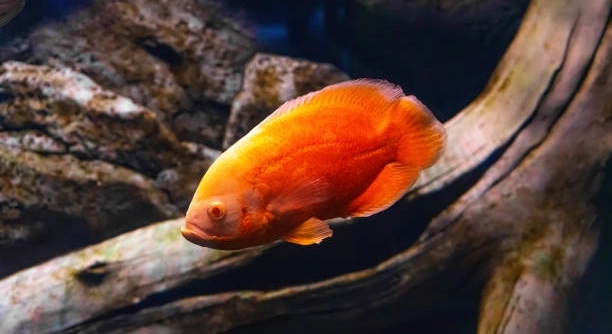
Have you ever noticed your Oscar fish acting strangely near the edges of its tank and wondered if it knows where the boundaries are?
Oscar fish can perceive tank boundaries through visual and spatial cues, but they do not fully understand them as limitations. Their interactions with glass walls are guided by instinct, curiosity, and learned experiences over time.
Learning how Oscar fish interact with their environment helps improve their tank setup, ensuring their safety, comfort, and overall quality of life.
How Oscar Fish React to Tank Walls
Oscar fish often swim up to the tank walls, tap the glass, or hover along the edges. These behaviors might seem odd, but they are typically responses to movement, light, or reflections outside the tank. Oscars are intelligent and observant, and while they may appear to understand boundaries, their reactions are mainly based on what they see and sense. When something catches their attention, they follow it, regardless of whether a wall is in the way. Over time, they may learn not to ram into the glass, but this is more about habit than true understanding.
They respond to patterns and routines, which makes it easier for them to adapt to a specific space.
What seems like awareness is actually a mix of visual learning and repeated exposure. If an Oscar fish bumps into the glass often, it can eventually change its path. This doesn’t mean it fully grasps the idea of boundaries. It just knows to avoid discomfort. Owners may notice the fish pacing in certain patterns or avoiding parts of the tank that have startled them before. This is more about memory than comprehension. By adjusting the layout or reducing external distractions, you can influence how your Oscar moves and reduce boundary-related behaviors over time.
Visual Cues and Tank Environment
Oscar fish rely heavily on sight when navigating their tank space.
A tank with clear glass, visible reflections, and movement outside the aquarium creates constant visual feedback for an Oscar fish. These fish may try to “follow” shadows or chase their reflections, mistaking them for other fish or food. In tanks with darker backgrounds and minimal glare, Oscars tend to stay calmer and react less aggressively to their surroundings. Decorations, plants, and tank mates also affect how Oscars move around. A cluttered or poorly designed tank can confuse them, making them more likely to run into walls or display restless swimming. On the other hand, a well-arranged tank encourages more natural movements. By adjusting light placement, minimizing external activity, and placing visual barriers along the glass, owners can help Oscars feel more secure. These changes won’t make the fish fully aware of their boundaries, but they can reduce confusion and glass-related behavior over time.
Training and Environmental Influence
Oscar fish can adapt to their environment with time and repetition. They may not understand tank boundaries in a complex way, but they can learn behavioral patterns based on their surroundings and the consistency of their tank setup.
When a tank layout remains stable, Oscar fish begin to recognize familiar objects and avoid obstacles more easily. Feeding routines, lighting schedules, and consistent decor placement all contribute to how they move and behave. Sudden changes, like rearranging plants or decorations, can confuse them temporarily. They often respond with more erratic swimming or glass tapping. Over time, however, they adjust to new objects and reestablish their paths. This shows that Oscars are responsive to their environment, even if they don’t fully comprehend it. Their awareness is based on learned associations rather than logical understanding. Creating a predictable tank environment encourages more relaxed and stable behavior in these fish.
Oscar fish can also react to human interaction. If you consistently feed them from the same spot, they may start waiting in that area. This isn’t a sign of deep understanding, but a conditioned response. The more predictable the environment, the more predictable the Oscar’s behavior becomes. They learn through repetition, not reason. Owners can use this to create boundaries using tank features like plants or rocks. These features can help guide their movement and reduce their tendency to bump into glass. This method relies on consistency and routine rather than true recognition of limits. Their behavior reflects environmental learning, not complex awareness.
Signs of Stress from Boundary Confusion
Oscar fish that bump the glass repeatedly or flare their fins near walls may be stressed or overstimulated by visual triggers. These behaviors can indicate a lack of comfort with their surroundings or an inability to process certain environmental changes effectively.
Other signs of boundary-related stress include glass surfing, sudden darting, or pacing in loops. These movements aren’t aggressive but show restlessness. The cause is usually external motion, poor lighting, or reflective surfaces that confuse them. Tank lighting plays a key role. Bright lights or sharp reflections can make it hard for Oscars to distinguish space from a barrier. Covering one or more sides of the tank can help, especially in rooms with a lot of foot traffic. A clutter-free tank with visual depth also eases tension. Adding plants and hiding spots can offer comfort and redirect their movements. With a stable environment, most of these signs gradually fade.
Consistency in routine and tank conditions can help Oscars feel more at ease. Avoid placing the tank near windows or active hallways, as movement outside the glass can agitate them. Dim lighting in the evening can also calm overstimulated fish. If your Oscar shows repeated stress signs, review your tank setup for sources of confusion. Reflective backgrounds, lack of structure, or unstable water parameters all play a role. Create a predictable environment with defined features. Limit sudden changes in layout or lighting. Over time, your Oscar will respond more calmly. These steps won’t teach them boundary concepts, but they will ease discomfort and prevent erratic behavior.
Tank Size and Layout Matters
A small or cramped tank can increase stress and confusion in Oscar fish. When space is limited, they’re more likely to run into walls or pace along the glass, especially without enough hiding spots or obstacles.
A spacious tank with organized features helps Oscars swim naturally. Including rocks, plants, and driftwood gives them direction and places to rest. This reduces their interaction with tank walls and helps them feel more secure.
Recognizing Natural Curiosity
Oscar fish are naturally curious and tend to explore every part of their tank. This behavior often leads them to interact with glass surfaces, not because they misunderstand boundaries, but because they’re reacting to what they see or sense. It’s part of how they gather information. Some may chase their reflection or follow your movements, thinking there’s food involved. These behaviors can seem repetitive but are often harmless. What matters is consistency in their tank setup. When the environment feels predictable, their movements become calmer. Curiosity doesn’t mean confusion—it’s simply part of how Oscars interact with their space daily.
When to Make Changes
If your Oscar is constantly stressed or bumping into glass, it’s time to adjust the tank. Simple changes can make a big difference.
FAQ
Can Oscar fish see the glass in their tank?
Oscar fish likely don’t recognize glass as a boundary in the way humans understand it. What they see are reflections, movements, and light changes, which may cause them to swim toward or strike the walls. When there are no clear visual indicators, like plants or tank decor, Oscars may bump into glass more often. Adding visual depth and background covers can help reduce confusion. They learn through patterns and consistency, not through understanding that a clear wall is a physical barrier.
Why is my Oscar fish constantly glass surfing?
Glass surfing is when a fish repeatedly swims up and down along the tank wall. For Oscars, this can mean they’re bored, stressed, or responding to external movement. Sometimes, poor water quality or a lack of hiding spaces contributes to the issue. Placing the tank away from foot traffic and ensuring consistent lighting and decor can help. If the behavior persists, review water parameters and consider whether the tank environment needs more structure or enrichment.
Do Oscar fish need a large tank to avoid boundary confusion?
Yes, Oscars need a spacious tank to feel comfortable and swim properly. A cramped space increases stress and limits their ability to explore safely. A 75-gallon tank is the minimum for a single adult Oscar. More room means more freedom to swim naturally and fewer collisions with glass walls. With proper space, tank features, and consistent setup, Oscars learn the limits of their environment through movement and routine.
Can Oscar fish recognize their owners through the glass?
Oscar fish can learn to associate a person with feeding or interaction. While they likely don’t recognize faces in detail, they respond to patterns. If you approach the tank regularly to feed them, they may come to the front and follow you. This behavior is driven by memory and routine rather than true recognition. It can look like affection, but it’s usually based on food anticipation and repetition.
Why does my Oscar keep hitting the tank walls during feeding time?
During feeding, Oscars can become excited and move quickly toward perceived food sources. If the food is dropped near the tank wall or if they see your hand move nearby, they might lunge and accidentally hit the glass. Feeding in the center of the tank and keeping hand movements consistent can reduce this. Avoid sudden gestures or changes to the feeding routine to help them respond more calmly and predictably.
What can I do to help my Oscar understand the boundaries better?
Use tank decor to create visible cues. Rocks, plants, and driftwood help Oscars sense space through sight and touch. These features guide their movements and reduce direct contact with glass. Avoid sudden changes to layout, lighting, or tank location. Keep the environment consistent, calm, and visually structured. Over time, your Oscar will develop more relaxed movement patterns.
Is it bad if my Oscar flares at its reflection?
Flaring at reflections is common, especially in glass tanks without background covers. Oscars may interpret their reflection as another fish and react with territorial behavior. This can be stressful if it happens frequently. Using a background or reducing lighting contrast can help minimize reflections. If your Oscar flares only occasionally, it’s not a serious concern, but constant flaring might indicate stress or confusion.
Do Oscar fish bumping into the tank mean something is wrong?
Not always. Occasional bumps can happen during active moments, especially around feeding. However, repeated collisions may signal environmental stress, poor water quality, or tank setup issues. Make sure the tank is large enough, visually structured, and not near heavy traffic areas. Addressing these factors can reduce disoriented behavior. Always monitor your Oscar’s overall activity and health.
Can lighting impact how Oscars perceive boundaries?
Yes, lighting plays a major role. Bright or inconsistent lighting can cause reflections and shadows, confusing Oscars about where space begins and ends. Dim, even lighting reduces glare and helps them see the tank’s layout more clearly. Avoid overhead lights that create reflections, especially at night. Adding background paper or film to the back and sides of the tank can also reduce visual stress and make boundaries more noticeable.
Final Thoughts
Oscar fish are smart and observant, but they do not fully understand the concept of glass as a boundary. Instead, they learn where they can and cannot go based on repetition and daily interaction with their surroundings. They respond to light, movement, and structure rather than understanding the tank’s physical limits the way humans do. This is why some Oscars may bump into the walls or show signs of confusion when there are few visual cues in the tank. As they become familiar with their environment, they begin to move more confidently within it.
A well-decorated and properly sized tank helps Oscar fish feel more secure. When their environment includes hiding spots, plants, rocks, and a steady routine, they are less likely to show signs of stress or disorientation. Backgrounds and consistent lighting reduce reflection and glare, which makes boundaries easier for them to notice. Their behavior also improves with limited noise and movement outside the tank. Over time, they develop a rhythm based on what they experience each day, which allows them to move around with more ease and purpose. Consistency is one of the best tools for helping them feel safe and settled.
Oscar fish rely heavily on their environment to understand what is safe, what is dangerous, and where they are allowed to swim. They do not reason like humans, but they are good at noticing patterns and changes. If their surroundings are kept stable and calm, they can form habits that limit risky or repetitive behaviors like glass surfing or flaring at reflections. Each fish may respond a little differently, but most benefit from a space that is designed with care and attention. While they may never truly “understand” the glass, they can learn to work with it—especially when their space is set up to guide them gently and clearly.

Hello,
If you enjoy the content that we create, please consider saying a "Thank You!" by leaving a tip.
Every little bit helps us continue crafting quality advice that supports the health, happiness, and well-being of pets around the world, for pets of all shapes, sizes, and species.
We really appreciate the kindness and support that you show us!