
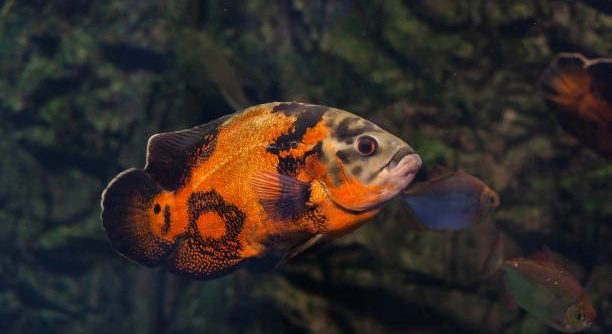
Oscar fish are known for their fascinating behaviors, which often seem to involve a strong connection with their surroundings. Some aquarium owners have observed that these fish appear to react when they are being watched.
Research suggests that Oscar fish can sense their environment through their acute vision and responsive behavior. While they may not understand the concept of being observed, they may react to movements or changes in their surroundings.
Understanding how Oscar fish perceive their world can help us better interact with and care for them. Their behavior holds clues about their natural instincts and environment.
Oscar Fish Behavior: Why They Might React to You
Oscar fish are known for their curious and sometimes unpredictable behaviors. They are naturally intelligent and interactive, often engaging with their environment in ways that might seem like they know you’re watching. These fish can recognize their owners and respond to movements around the tank, especially when they are familiar with regular activities like feeding time. Their behavior suggests that they can sense changes in their environment, which may include being observed.
Oscars rely heavily on their senses, including vision and vibration detection, to understand what’s happening in their habitat. Their keen eyesight helps them notice even small movements, and their natural alertness to any disturbance might be why they seem to react when someone is around. It’s not that they understand the act of being watched, but they do respond to the shift in activity.
This heightened awareness makes Oscar fish quite engaging. They may swim up to the glass or follow your finger, as they associate your movements with food or attention. With their strong personalities, Oscars can even show excitement when you’re near, making them an interesting species to keep in your aquarium. Understanding how they perceive their surroundings can help you form a better bond with them, making their care more rewarding.
How Oscars Perceive Their Environment
Oscars use their acute senses to detect movements and changes around them. Their response to being watched may be based on recognizing environmental changes, such as human movements or light shifts.
By observing Oscars more closely, it’s clear they use a combination of sight and vibration to gauge their surroundings. They may seem to interact with you because they recognize patterns, like feeding times, or respond to your actions around the tank. These fish are not only alert to their environment but also capable of learning from it. Regular patterns of interaction, like feeding, will lead them to associate certain actions with positive outcomes. This learned behavior reinforces the idea that Oscars can “sense” when someone is watching or engaging with them.
Though it’s often thought that fish, in general, have limited intelligence, Oscars break this mold. Their ability to respond to stimuli shows that they are capable of forming associations between events and reactions. Unlike other fish that may be more passive, Oscars are active learners. This makes them fascinating to observe, as they display behaviors based on their observations of the environment and the people in it. Whether it’s swimming up to the glass or following your finger along the tank, their reactions suggest a level of awareness beyond what you might expect.
Oscar Fish Vision: How They See Their Surroundings
Oscar fish have impressive vision, which plays a major role in how they interact with their surroundings. They rely on their keen eyesight to detect movement and changes in light. This helps them navigate their environment, even in darker waters.
Their vision allows them to recognize objects or people near the tank. Oscars can detect the presence of food, potential threats, or simply a movement in their environment. This means they may notice when you approach the tank, even if you don’t think they are looking. The more they get used to your presence, the more they may respond to it, expecting food or attention. Over time, they can begin to anticipate certain actions based on the signals they detect.
Understanding their vision and sensory capabilities shows why Oscars might act differently depending on whether someone is near the tank or not. Their behavior goes beyond just reactionary responses. They are actively using their vision to make sense of their surroundings.
How Oscars Respond to Changes in Light
Oscars are highly sensitive to changes in light. A shift in light, whether from natural or artificial sources, can prompt a noticeable response from them. This is because light is one of the primary ways they sense their environment.
Oscars react to changes in light similarly to how humans might notice a shift in their surroundings. They can use light changes to determine the time of day or detect movements around the tank. A change in lighting can signal feeding time, or it may simply disrupt their normal behavior. They are sensitive to changes in light intensity and direction, which can lead them to become more alert or active. This heightened awareness makes them seem more responsive when there’s a shift in their environment, such as when a person is nearby.
Through this sensitivity to light, Oscars may seem to act as if they know when you’re watching, but it’s simply their way of responding to environmental cues. They are always alert to the changes in their habitat.
Oscar Fish and Their Social Behavior
Oscar fish are naturally social and curious, often displaying behavior that seems like they’re interacting with their surroundings. They are not solitary and prefer to be aware of what’s happening around them, including the people who come and go.
These fish show signs of curiosity, like swimming up to the glass or following movement. They don’t just react to food, but also to changes in the tank environment. When you move near the tank, they might approach as if interested in what you’re doing. This can give the impression they’re “aware” of you.
Their social nature goes beyond their interactions with other fish. Oscars become accustomed to the routine and patterns of their human caretakers. They learn to associate your presence with certain events, such as feeding or cleaning the tank, further strengthening their responses.
Can Oscars Recognize Their Owners?
Oscar fish can often recognize their owners through consistent interaction patterns. They tend to respond more positively to their primary caregiver, showing excitement during feeding times.
Recognition may not be as advanced as some pets, but Oscars can connect certain actions, like the sound of footsteps or the sight of a familiar face, with food. Over time, this recognition is based more on routine and familiarity than actual understanding of identity.
How Oscars Interact with New People
When a new person approaches the tank, Oscars may react differently. They might become more cautious or show curiosity, depending on how familiar they are with the new person.
Oscars don’t have the same level of connection with strangers as they do with their owners. They may take some time to get used to new individuals, especially if their routine is interrupted. This reaction shows their sensitivity to changes in their environment, including unfamiliar faces.
FAQ
Can Oscar fish remember their owners?
Oscar fish have a good memory for patterns. While they may not recognize you in the same way a dog would, they can learn routines and associate you with certain actions, like feeding. Over time, they can respond more positively to you, recognizing your movements and the time of day for feeding. Their ability to remember is more about recognizing consistency than actual “recognition” of identity. So yes, they do remember their owners, especially when a feeding routine is in place.
Do Oscar fish get attached to their owners?
Oscar fish are not as emotionally attached to their owners as some pets like dogs or cats, but they do form a bond based on routine and interaction. If you’re consistently present during feeding times, they might associate you with positive experiences, making them more likely to approach you when you’re near. They may even recognize you as a source of food and interaction. While it’s not the same attachment we think of with mammals, Oscars do show interest in their caretakers and respond accordingly.
Why does my Oscar fish follow me around the tank?
Oscar fish often follow movements around the tank because of their curiosity and their strong sense of sight. If they’re following you specifically, it’s likely because they’ve learned that you are a source of food or interaction. They may also be responding to the movements you make near the tank, and they could be trying to communicate with you or anticipate feeding time. This behavior is common among Oscar fish and is a sign that they are aware of their environment and have learned certain patterns, like when you are nearby.
Do Oscar fish like being watched?
While it’s not accurate to say that Oscar fish understand the concept of being “watched,” they do respond to the presence of a person in their environment. They may become more alert or swim closer to the glass when they sense someone nearby. If you regularly feed or interact with them, they may even seem to enjoy your presence, as they associate you with positive outcomes, like food. However, they don’t feel the same way humans do about being observed and likely react out of curiosity or learned behavior.
Why does my Oscar fish stare at me?
If your Oscar fish is staring at you, it could be a sign of curiosity, as they often use their vision to assess their surroundings. Oscars are naturally curious creatures, so staring could be them trying to learn more about you or the environment around them. In many cases, Oscars stare because they’re expecting food or are simply interested in the activity near the tank. The stare is also a way they communicate with their surroundings, showing that they are aware of movement and activity.
Can Oscar fish recognize their own reflection?
Oscar fish can see their own reflection, but it’s not clear whether they truly recognize themselves. They may react to their reflection as if it were another fish, displaying behaviors like chasing or following the image. This could be because they don’t understand that it’s a reflection and instead view it as a potential rival or companion. Over time, they might get used to it and stop reacting as strongly, especially if they don’t feel threatened by the reflection.
Why does my Oscar fish swim to the surface when I approach?
When you approach the tank, your Oscar fish may swim to the surface because they are anticipating food or interaction. Oscars are intelligent and learn routines quickly, so if they associate you with feeding time, they will swim to the surface in expectation of food. This behavior is also a sign of their alertness to changes in their environment, like your movements near the tank. They may also swim to the surface to get a better look at you, especially if they are used to your presence.
Can Oscar fish get stressed from being watched?
Oscar fish can get stressed if there is too much activity around their tank, but simple observation usually doesn’t cause stress. However, if there is constant movement, loud noise, or disruptions to their environment, they may become stressed. Fish, in general, are sensitive to their surroundings and can react to changes, so it’s important to maintain a peaceful environment. If you notice that your Oscar seems stressed or is hiding frequently, it could be due to other factors, such as water conditions or tankmates.
Do Oscar fish need to be entertained?
Oscar fish are naturally curious and may enjoy being entertained to some extent. They may respond to objects like decorations or even movements outside the tank. While they don’t need constant entertainment like some pets, providing them with a stimulating environment can help keep them mentally engaged. For instance, adding new objects to the tank or varying the time and method of feeding can keep them active and interested. Oscars enjoy interaction and can show excitement if something new enters their environment.
How do I know if my Oscar fish is happy?
A happy Oscar fish typically displays active, curious behavior. It will swim around the tank regularly and may even interact with you or its tankmates. A healthy Oscar will also eat well and seem alert to its environment. If your fish is hiding a lot, showing signs of illness, or not eating, these can be signs of stress or unhappiness. Regular observation of your Oscar’s behavior can help you determine if it’s content or if there are issues that need attention, like water quality or tank conditions.
Final Thoughts
Oscar fish are fascinating creatures, known for their curiosity and engaging personalities. While they may not fully understand the concept of being watched like humans do, they are highly responsive to their environment. Their keen eyesight and ability to detect changes in light and movement make them aware of what’s going on around them. This helps explain why they often react when someone is near the tank. Their behavior might seem like they’re aware they’re being observed, but it’s more likely that they’re reacting to the changes they detect.
Over time, Oscar fish can recognize patterns, especially when it comes to feeding time or interactions with their owner. They may become more accustomed to you and learn to expect certain actions, such as feeding or cleaning the tank. This familiarity leads to the behavior of approaching the glass or following your movements. While Oscars may not form emotional attachments like mammals, they do create associations with their environment that guide their reactions. This makes them unique among fish, as they are more interactive and aware of their surroundings than many other species.
Understanding how Oscars perceive and interact with their environment can help you provide better care for them. They are intelligent fish that thrive on routine and consistency. By recognizing their ability to learn and adapt, you can create a more engaging and enjoyable environment for them. Whether it’s through consistent feeding schedules or varying tank decorations, these fish are highly responsive to changes and patterns. As you continue to care for them, their behavior will give you more insight into how they see and respond to their world, creating a deeper bond between you and your Oscar fish.

Hello,
If you enjoy the content that we create, please consider saying a "Thank You!" by leaving a tip.
Every little bit helps us continue crafting quality advice that supports the health, happiness, and well-being of pets around the world, for pets of all shapes, sizes, and species.
We really appreciate the kindness and support that you show us!