
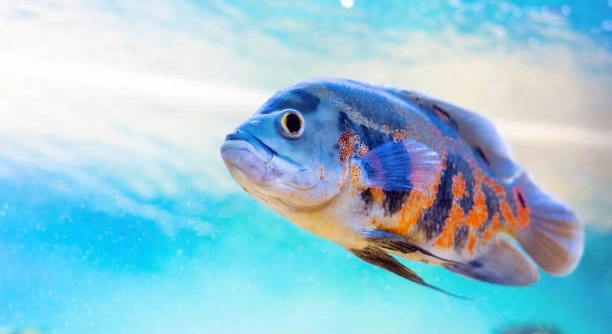
Oscar fish are known for their strong personalities and unique feeding habits. As an aquarium owner, you may wonder what foods are best for their health and well-being. One aspect to consider is their diet.
Oscar fish are primarily carnivores, and while they may nibble on plants, a fully plant-based diet is not suitable for their long-term health. They require protein-rich foods, such as insects, small fish, or specially formulated pellets, to thrive.
Understanding the dietary needs of your Oscar fish is essential for their overall health. Providing the right balance will ensure they live a long and happy life.
Why a Plant-Based Diet Is Not Ideal for Oscar Fish
Oscar fish are naturally carnivorous and their bodies are built to digest protein-rich foods. In their natural habitat, they hunt for small fish, insects, and other meat sources. This feeding behavior is ingrained, and it’s crucial to provide a similar diet in your aquarium. While some aquarium owners may think a plant-based diet could work for their Oscars, it actually lacks the essential nutrients they need to stay healthy. Feeding Oscar fish only plant matter can result in malnutrition and poor health over time. They will likely struggle to thrive without adequate protein sources, leading to weakened immune systems and stunted growth.
Oscar fish require proteins and fats that plants simply cannot provide. A diet that includes proteins from animal-based sources will ensure they remain active, vibrant, and strong. A plant-only diet would simply leave them malnourished, and they could face serious health issues.
A lack of proper nutrients like amino acids and fatty acids could leave your Oscar fish vulnerable to diseases. Their digestive systems aren’t designed for processing large amounts of plant-based matter, and without enough protein, they may become lethargic and lose color. It’s important to stick to a balanced diet that includes protein-packed foods for long-term health.
Alternative Foods for a Balanced Diet
Oscar fish thrive when fed a variety of protein-rich foods. These may include live or frozen foods such as shrimp, worms, and feeder fish. High-quality pellets specifically designed for carnivorous fish are also an excellent choice.
Including different protein sources will give your Oscar fish the vitamins and nutrients they need. Regularly rotating between different types of food keeps their diet balanced, ensuring they get the necessary amino acids, vitamins, and minerals to stay healthy. A mix of live, frozen, and high-quality prepared foods will support your fish’s well-being and prevent malnutrition.
It’s essential to avoid overfeeding or underfeeding your Oscar fish. A balanced approach includes giving them enough food while ensuring that the water stays clean and healthy. Over time, this will help keep your fish strong, energetic, and less prone to health problems.
The Risks of Feeding Oscar Fish Only Plants
Feeding Oscar fish a diet made up entirely of plants can lead to various health issues. They require specific nutrients found in animal proteins, which plants can’t provide. Without these nutrients, Oscars may suffer from malnutrition, poor growth, and even weakened immune systems, making them more susceptible to diseases.
If your Oscar fish doesn’t get enough animal-based protein, their energy levels may drop. They can become sluggish and less active, which may impact their social behavior. Over time, you might notice their color fading or they may stop eating altogether. The lack of essential nutrients could also lead to stunted growth.
While plant matter is a part of their diet in the wild, it’s not the main food source. When kept in an aquarium, offering too many plants can disrupt their nutritional balance. Without a proper protein source, their overall health will gradually deteriorate, affecting their lifespan.
Protein Needs and Nutritional Balance
Oscar fish need high-quality proteins to maintain their strength and vitality. These proteins support healthy tissue growth, muscle function, and help maintain an active lifestyle. If their diet lacks sufficient protein, their bodies will not function properly, and they might experience slowed metabolism or weight loss.
Feeding Oscars high-protein foods like fish, shrimp, and specialized pellets ensures they get the necessary nutrients for growth and overall health. It’s essential to find a balance in their diet that mimics their natural feeding habits. Protein-rich foods help boost their immune system, keeping them healthy and strong.
Offering a variety of animal-based foods ensures that Oscars are getting a wide range of nutrients. For example, live or frozen food can provide different vitamins and minerals that will support their well-being. Adding variety to their meals is key to keeping them happy and healthy in your tank.
The Impact of Malnutrition on Oscar Fish
Malnutrition can have a severe impact on Oscar fish. Without proper protein intake, their growth will slow, and their immune system will weaken. This can lead to infections or other illnesses, and their energy levels will drop, causing them to become lethargic and less active.
If malnutrition continues, your Oscar fish may lose their vibrant color and display signs of stress. They can also become more vulnerable to disease outbreaks, which can spread quickly in an aquarium. Addressing their dietary needs is crucial to preventing these issues from worsening.
Recommended Feeding Practices
To keep Oscar fish healthy, feed them a variety of protein-rich foods. Use high-quality pellets designed for carnivorous fish and supplement their diet with live or frozen shrimp, worms, or small fish. Offering a mixture ensures they get all the nutrients they need.
Oscar fish should be fed once or twice a day, with portions that they can consume in a few minutes. Overfeeding can pollute the tank water, while underfeeding may cause nutritional deficiencies. Keep their feeding schedule consistent to ensure they get the right balance of nutrients.
Maintaining a Healthy Environment
In addition to a proper diet, maintaining a clean aquarium is crucial for Oscar fish’s health. Regular water changes, filtration, and keeping water parameters stable are necessary to prevent diseases and ensure a healthy environment for your fish.
FAQ
Can Oscar fish eat vegetables?
Oscar fish are known for their carnivorous diet, but they can eat some vegetables in small amounts. While they are primarily meat eaters, a bit of plant matter, like spinach or peas, can be offered as a treat. However, this should never make up a large part of their diet. Vegetables do not provide the essential proteins that Oscars need to thrive, so they should only be an occasional supplement to their protein-rich meals.
How often should I feed my Oscar fish?
Oscar fish should be fed once or twice a day, depending on their age and activity level. Juvenile Oscars require more frequent feedings, while adult Oscars can be fed once a day. Be mindful of their feeding times, offering them only the amount of food they can consume in 2-3 minutes to avoid overfeeding. Overfeeding can lead to health problems, such as obesity and water quality issues. It’s also important to avoid skipping feedings, as consistency helps your Oscar maintain a stable diet and good health.
What foods are best for Oscar fish?
The best foods for Oscar fish are high-quality pellets designed for carnivorous fish, live or frozen food such as shrimp, worms, and small fish. These protein sources provide the necessary nutrients for growth, energy, and a healthy immune system. You can also occasionally offer them treats like crickets or earthworms, but make sure to rotate their diet to ensure they get a wide range of nutrients. Avoid feeding them too many plant-based foods, as they don’t provide the protein necessary for Oscars to thrive.
Can Oscar fish survive without live food?
Yes, Oscar fish can survive without live food, as long as they are fed high-quality protein-based pellets. Live food, like small fish or shrimp, can be an exciting treat, but it’s not essential for their survival. Frozen food is a good alternative to live food and can provide the same nutritional benefits. As long as the diet is well-rounded with protein-rich options, your Oscar will thrive without live food.
Are Oscars picky eaters?
Oscar fish can be picky eaters, especially when it comes to transitioning between different types of food. If your Oscar is used to a particular type of pellet or frozen food, it may take some time to get them to accept new food. If you’re trying to introduce new foods, it’s best to do so gradually, mixing the new food with the old food to allow them to adjust. If they refuse to eat something, don’t be discouraged. Keep offering a variety of foods and stay consistent.
Can I feed Oscar fish goldfish?
It is not recommended to feed Oscar fish goldfish, especially if they are not quarantined first. Goldfish are not nutritionally balanced for Oscars and can sometimes carry diseases or parasites that could harm your fish. Also, feeding goldfish could create unhealthy feeding habits and may lead to Oscar fish becoming more aggressive towards other fish in the tank. Stick to foods specifically designed for carnivorous fish, such as feeder fish or shrimp, which are better suited for their diet and health.
Do Oscar fish need a varied diet?
Yes, Oscar fish require a varied diet to get all the necessary nutrients. A diet consisting only of pellets can lead to nutrient imbalances. Including a variety of live or frozen foods, such as shrimp, worms, and small fish, ensures they get a wide range of vitamins, minerals, and amino acids. Offering different types of food also helps prevent boredom and encourages natural hunting behavior, which can be good for their overall well-being.
What happens if I feed my Oscar too much?
Overfeeding your Oscar can cause various health problems, including obesity, poor water quality, and stress. When Oscars are overfed, they may become lethargic, and their digestive system can become sluggish. Excess food in the tank also leads to water pollution, which can harm both your fish and the water quality. To prevent overfeeding, provide only as much food as your Oscar can eat in 2-3 minutes. This helps maintain a healthy weight and keeps the tank water clean.
Can Oscars eat frozen food?
Yes, frozen food is an excellent option for Oscars and is often used as a substitute for live food. Frozen shrimp, bloodworms, or small fish can provide the same nutritional benefits as live food. It’s important to thaw frozen food before feeding it to your Oscar to ensure it is properly digested. Frozen food is easy to store, convenient, and safe for your fish. Just be sure to vary the types of frozen food you offer to keep their diet balanced.
Are Oscars aggressive eaters?
Oscar fish are known for their aggressive eating habits. They often compete for food and may even eat smaller fish in the tank if they are hungry enough. While they are not aggressive in the traditional sense of attacking other fish outside of feeding time, they can show aggression toward smaller fish during meals. This is especially true if Oscars are kept in tanks with fish that are much smaller than them. Feeding Oscars in a separate, calm area can help reduce aggression and allow for better control over their feeding behavior.
How can I tell if my Oscar is hungry?
An Oscar fish will often show signs of hunger by actively swimming to the surface when they see you approaching the tank, or they may start begging for food. They may also display behavior like darting around the tank or repeatedly swimming in circles near the feeding area. However, it’s important not to overfeed them just because they appear hungry. Stick to a regular feeding schedule and provide food in controlled amounts. If they continue to beg for food even after they’ve been fed, it’s a sign they may have grown accustomed to getting extra treats.
What is the best water temperature for Oscar fish?
Oscar fish prefer warm water temperatures between 75°F and 80°F (24°C and 27°C). Keeping the water within this range helps to ensure they are active, healthy, and able to properly digest their food. Water that is too cold can cause them to become sluggish and stressed, making them more susceptible to illnesses. A consistent water temperature is also key to their overall well-being, so be sure to use a reliable aquarium heater and monitor the temperature regularly to maintain optimal conditions.
Final Thoughts
Oscar fish are unique and fascinating creatures, but meeting their dietary needs can be a bit challenging. While they are primarily carnivores, offering them a well-balanced diet is crucial for their health. A plant-based diet is not suitable for Oscars because it lacks the protein and essential nutrients they need to thrive. While it’s fine to offer small amounts of vegetables as an occasional treat, it should never make up the bulk of their meals. Instead, focus on providing high-quality protein-rich foods like pellets, live or frozen shrimp, worms, and small fish.
Maintaining a varied diet is key to keeping your Oscar healthy and happy. Offering a range of protein sources will ensure they get the right mix of amino acids, vitamins, and minerals. While they may enjoy the occasional treat, their primary food should come from animal-based sources. Overfeeding and underfeeding should be avoided, as both can lead to health problems like obesity, malnutrition, or stress. Stick to a feeding schedule where your Oscar gets enough food without overloading the tank, which can negatively affect water quality. Providing the right amount of food will help your Oscar remain active, vibrant, and energetic.
Caring for an Oscar fish requires attention to both their diet and environment. A clean, well-maintained tank with stable water conditions will support their overall well-being. By offering the right foods, keeping their tank environment clean, and monitoring their health regularly, you’ll give your Oscar the best chance for a long, healthy life. It’s important to remember that these fish need a carnivorous diet, and while variety is great, their health ultimately depends on how well their nutritional needs are met. So, stick to a protein-rich, balanced diet, and your Oscar will thrive in your care.

Hello,
If you enjoy the content that we create, please consider saying a "Thank You!" by leaving a tip.
Every little bit helps us continue crafting quality advice that supports the health, happiness, and well-being of pets around the world, for pets of all shapes, sizes, and species.
We really appreciate the kindness and support that you show us!