
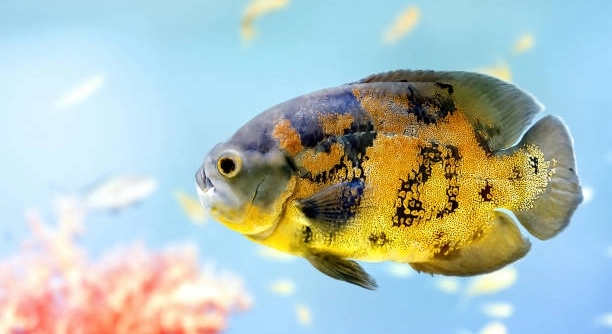
Oscar fish are known for their vibrant personalities and fascinating behaviors. As one of the more popular aquarium fish, many owners observe different actions from their Oscar fish, wondering if these behaviors signal territorial instincts.
Oscar fish are indeed territorial. They often show aggression toward other fish, especially in confined spaces. This behavior can involve chasing, nipping, and guarding areas within their environment. Territorialism is common among Oscars, particularly during breeding seasons.
Understanding these behaviors will help you manage your Oscar fish’s environment. Proper tank setup can ensure a peaceful space for them and their tankmates.
Understanding Territorial Behavior in Oscar Fish
Oscar fish are known for their strong territorial instincts, which can manifest in several ways. They often become more aggressive when they feel their space is being invaded. This can result in them defending their territory against any intruders, including other fish. Territorial aggression may also be linked to their need for a sense of security and control over their environment. When Oscars feel threatened, they may chase or nip at other fish, especially those that enter their established area. This behavior is most evident when Oscars are in a tank with limited space, as they are more likely to feel the need to defend their space.
Oscars will also display territorial aggression during mating periods, where they actively guard their chosen area. During this time, they may become more territorial and less tolerant of other fish. Understanding this behavior is essential for tank management to prevent stress or injury among fish.
Proper tank setup can minimize territorial conflicts. Providing enough hiding spaces, plants, and objects can allow Oscar fish to feel secure. This reduces their need to constantly defend their space and ensures a more peaceful tank environment for all inhabitants.
Managing Territorial Aggression
Territorial aggression can lead to tension between Oscar fish and other tank mates. This can be avoided by carefully considering tank size and fish compatibility. When setting up an Oscar fish tank, it’s best to ensure that the fish have enough space to claim their own territory. Adding decor like rocks and plants can further divide the space, giving each fish its own area.
Monitoring the fish’s behavior and adjusting the tank setup can also help. If you notice that one Oscar is particularly aggressive, consider adding additional hiding spots or rearranging the decor to break up their line of sight. The more space and cover they have, the less likely they are to engage in territorial disputes.
Signs of Territorial Aggression in Oscar Fish
Oscar fish show several clear signs of territorial aggression. They may chase or bite at other fish that enter their space, especially when they feel their territory is being threatened. A sudden increase in aggressive behavior, such as flaring gills or rapid movements, often signals territorial disputes.
In addition to physical aggression, Oscar fish might become more vocal, making distinct sounds when they feel defensive. This can be an attempt to warn other fish away or show dominance. Observing these behaviors closely can help you identify when they’re acting out of territorial instincts rather than simple curiosity.
If territorial aggression escalates, it’s important to address it early. Moving some fish or rearranging the tank’s layout can reduce these conflicts. Proper space allocation, particularly for breeding Oscars, can also help minimize aggressive behaviors.
Tank Size and Oscar Fish Territoriality
The size of the tank plays a crucial role in managing Oscar fish’s territorial nature. Oscars need enough space to establish their own area, especially when they are kept in pairs or with other tank mates. A cramped tank will likely lead to increased territorial disputes as the fish feel their space is being invaded.
A larger tank offers more opportunities for Oscar fish to explore and claim territory without constant confrontation. When selecting a tank size, consider both the number of fish and the space they need to feel comfortable. For optimal tank conditions, aim for a tank of at least 75 gallons for a single Oscar. Larger tanks allow for more customization and the creation of natural barriers that can ease territorial tensions.
In a bigger tank, Oscars are less likely to feel crowded, reducing their urge to protect their space aggressively. With ample room to roam and hide, they can establish boundaries without feeling the need to defend every inch.
Breeding Oscars and Increased Territorial Behavior
Oscar fish display heightened territorial aggression during breeding. When preparing for reproduction, they will aggressively defend their space, including the nesting area. This behavior is natural, as Oscars instinctively protect their eggs and territory to ensure their offspring’s safety.
If your Oscar fish are breeding, it’s important to give them enough space. Rearranging the tank or providing extra hiding spots can help reduce aggression. Keep a watchful eye on their interactions to prevent injuries to other fish. During this period, Oscars are more likely to become hostile toward intruders, whether it’s other fish or new objects in the tank.
Oscar Fish Tank Mates
Choosing tank mates for your Oscar fish is crucial to avoid territorial conflicts. Ideally, tank mates should be large, peaceful fish that can hold their own. Avoid small or timid fish, as they may be seen as easy targets. Oscars may become aggressive toward tank mates they perceive as weak or intruders.
It’s also best to avoid introducing new fish into the tank during breeding seasons. Oscars can be more territorial and less tolerant of new arrivals during this time. Even outside breeding periods, consider the fish’s temperament and size when selecting tank mates. The key to a peaceful tank is matching Oscar fish with compatible species.
Handling Aggression
Dealing with territorial aggression in Oscars requires patience and observation. You can minimize aggression by carefully selecting tank mates and giving your Oscar enough space to establish its territory. If problems persist, consider rearranging tank decor or increasing the tank’s size to give all fish more room.
FAQ
Why do Oscar fish become territorial?
Oscar fish are naturally territorial due to their instinct to protect their environment. In the wild, they establish territories to secure food sources, shelter, and breeding grounds. When kept in a tank, these instincts still play out, leading them to guard specific areas. Territorial behavior is especially prominent when they feel threatened or when breeding.
Can Oscar fish live with other fish in a community tank?
Yes, but only with carefully selected tank mates. Oscar fish tend to be aggressive and will often target smaller or slower-moving fish. Larger, more robust fish, such as certain cichlids, can make better companions. It’s essential to choose species that won’t feel threatened or become a target for aggression.
How can I reduce territorial aggression in my Oscar fish?
Providing a larger tank is the best way to reduce territorial aggression. Adding plants, rocks, and other decorations can break up the line of sight and give the fish places to retreat. Additionally, rearranging the tank periodically can help reduce territorial behavior by making the environment feel less predictable.
Do Oscar fish get along with each other?
Oscar fish can get along with each other, but only if they have enough space. They may become territorial towards other Oscars, especially in smaller tanks. When kept in pairs, it’s crucial to ensure that both fish have enough space to establish their territories without constant conflict. A larger tank and careful monitoring are key to reducing disputes.
What size tank is best for Oscar fish?
Oscar fish require a tank that is at least 75 gallons for one fish. If you’re keeping more than one, the size should increase accordingly to provide each fish with sufficient space. A larger tank allows Oscars to establish their territories and reduces the chances of aggressive interactions. More space also helps maintain water quality, which is important for their health.
Do Oscar fish need a companion?
Oscar fish do not necessarily need a companion. They are solitary by nature and can thrive on their own. However, if you decide to house more than one, it’s important to ensure they are compatible. Keep in mind that Oscars may become aggressive toward tank mates, especially if they feel their territory is being encroached upon.
How can I tell if my Oscar fish is stressed?
Signs of stress in Oscar fish include erratic swimming, loss of appetite, and excessive hiding. A stressed Oscar may also show signs of aggression or become lethargic. Stress can be caused by many factors, such as overcrowding, poor water quality, or incompatible tank mates. It’s important to address these issues promptly to ensure the well-being of your fish.
What is the lifespan of an Oscar fish?
Oscar fish typically live between 10 and 15 years when properly cared for. This lifespan can vary depending on water conditions, tank size, diet, and general care. Providing a stable environment and high-quality food can help your Oscar live a long, healthy life.
Can Oscar fish be trained?
Yes, Oscar fish are intelligent and can be trained to some extent. They can learn to recognize their owner, follow simple hand movements, and even respond to feeding routines. While they may not perform complex tricks like some other pets, they can form a bond with their owner and exhibit behaviors that show recognition and trust.
Do Oscars need a filter?
Yes, Oscar fish produce a lot of waste, so having a good filtration system is crucial. A filter helps maintain clean water by removing toxins and excess food, which are important for the health of your fish. It’s essential to regularly clean the filter and perform water changes to keep the tank environment stable.
How often should I feed my Oscar fish?
Oscar fish should be fed once or twice a day. They are opportunistic feeders, so it’s important to offer a balanced diet consisting of pellets, live or frozen foods, and occasional vegetables. Overfeeding can lead to water quality issues, so it’s best to remove any uneaten food after about 5 minutes.
Can Oscar fish survive in cold water?
No, Oscar fish are tropical fish and require warm water. The ideal water temperature for Oscars is between 74°F and 81°F (23°C to 27°C). If the water temperature drops too low, Oscars can become stressed or even sick. It’s essential to maintain a stable, warm environment to ensure their health and well-being.
What should I do if my Oscar fish is bullying other fish?
If your Oscar fish is bullying other fish, you may need to separate them or rearrange the tank to reduce aggression. You can also add more hiding spots or plants to give other fish places to escape. In some cases, moving the Oscar to a larger tank or adjusting the tank mates may help reduce bullying behavior.
Do Oscars need to be quarantined before being added to the tank?
Yes, it’s recommended to quarantine new Oscar fish before introducing them to your main tank. This helps ensure that the new fish are free from diseases that could harm your existing tank mates. Quarantining for about two weeks gives you time to observe the new fish for any signs of illness.
Why is my Oscar fish attacking the glass?
Oscar fish may attack the glass due to reflection. They may perceive their own reflection as another Oscar or potential threat. This is a common behavior in many fish species. To reduce this, consider adding more plants or decorations to break up the line of sight, or move the tank to a different location.
Can I keep Oscars with other species of cichlids?
Oscar fish can live with other cichlids, but it’s important to choose species that are similarly sized and not overly aggressive. Some cichlids, especially those from similar regions, may get along well with Oscars, but it depends on the individual fish’s temperament. Monitoring their behavior closely is key to ensuring peaceful cohabitation.
Final Thoughts
Oscar fish are fascinating and intelligent creatures, but they require careful attention due to their territorial nature. Understanding their needs and behaviors is essential for keeping them healthy and preventing aggression. With the right tank setup, sufficient space, and compatible tank mates, Oscar fish can thrive and provide enjoyment for their owners. Their territorial instincts are natural, and while they may sometimes display aggression, this can usually be managed with proper tank management and by ensuring the environment suits their needs.
While Oscars are hardy and adaptable, they do need specific care to avoid stress and territorial disputes. Choosing the right tank size is crucial for giving them enough space to establish their territories. Adding plenty of hiding spots and avoiding overcrowding can also reduce aggressive behavior. Regular water changes, a strong filtration system, and a balanced diet help maintain a healthy tank, ensuring your Oscar fish remain happy and active. In terms of tank mates, it’s important to select species that can handle Oscars’ aggression, especially during breeding periods. Larger, more robust fish are often the best companions for Oscars.
In conclusion, Oscar fish can be rewarding pets if you understand their behavior and take steps to accommodate their territorial nature. While they are not the easiest fish to care for, their unique personalities and impressive size make them an attractive choice for experienced aquarium owners. With the right care and environment, Oscars can live for many years, offering enjoyment and interest as they grow and thrive in your aquarium.

Hello,
If you enjoy the content that we create, please consider saying a "Thank You!" by leaving a tip.
Every little bit helps us continue crafting quality advice that supports the health, happiness, and well-being of pets around the world, for pets of all shapes, sizes, and species.
We really appreciate the kindness and support that you show us!