
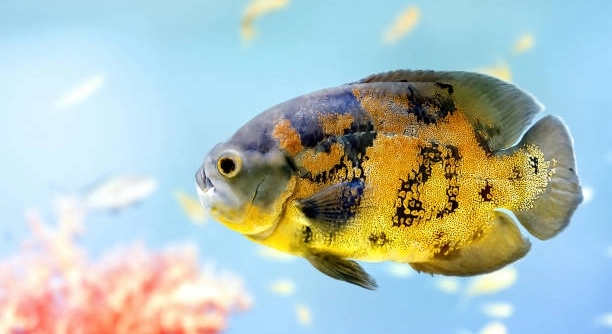
Oscar fish are popular aquarium pets known for their large size and vibrant colors. Many fish enthusiasts enjoy keeping them due to their unique appearance and behavior. But can Oscar fish show individual personality traits?
Oscar fish can indeed display individual personality traits, much like many other species. Some may be more aggressive or shy, while others can form bonds with their owners or exhibit specific preferences for food or habitat.
Each Oscar fish is distinct in how it interacts with its environment and caretakers. Understanding these traits can help you provide a better care routine for your pet.
Oscar Fish Behavior and Personality
Oscar fish are often described as having unique personalities. They are intelligent, observant, and can sometimes show behaviors that resemble those of other pets like dogs or cats. Some Oscars might swim to the front of the tank when they see their owners, almost like they are greeting them. Others may be more standoffish or cautious, avoiding human interaction altogether. It’s important to remember that these behaviors can vary widely from fish to fish. Over time, you might even notice your Oscar developing quirks that make it stand out from others.
While Oscars are often social, they can also be territorial, especially when it comes to their space in the tank. A change in the environment, such as adding new fish or rearranging the decorations, might provoke an aggressive response. This shows that Oscars can react to their surroundings in different ways, further proving their individuality. This behavior highlights how, even in an aquatic setting, Oscars have personalities that evolve depending on their experiences.
The way Oscar fish respond to their tank mates can also reveal their personality. Some Oscars may get along well with other fish, while others prefer to be alone or have trouble sharing space. In fact, Oscars are often known to be dominant fish, sometimes bullying smaller species. Understanding their interactions with other tank mates can give you valuable insight into their behavior and emotional state.
How Environment Influences Their Personality
The setup of your Oscar’s aquarium plays a significant role in shaping its behavior. A clean, well-maintained tank with hiding spots and enough space for swimming can help an Oscar feel secure and less stressed. In a well-designed environment, your Oscar is likely to feel more confident and show less aggression.
However, if the tank is overcrowded or lacks proper hiding places, Oscars may become more defensive or agitated. Stress is a common factor that affects fish behavior. An Oscar that feels threatened may act more aggressively toward other fish or even toward its owner. The amount of stimulation from surroundings, including the presence of other animals, lighting, and decorations, can shape how an Oscar develops and behaves in your care.
Understanding the importance of the environment is key to fostering a peaceful, healthy atmosphere for your Oscar. A stable environment can help reduce stress and encourage more predictable behavior. Oscars are adaptable, but when their environment is not suitable, they can show frustration or fear. Properly adjusting tank conditions can lead to a better overall experience for both the fish and the owner.
Can Oscar Fish Develop Bonds with Their Owners?
Oscar fish can form unique bonds with their owners. Some Oscars show signs of recognition when their owners approach the tank, swimming toward them. They may also respond to feeding routines, eagerly awaiting their meals. These behaviors suggest that Oscars are capable of emotional attachment.
Their ability to recognize owners is another indication of their bond. Oscars often display curiosity by following their owners around the tank or watching them from a distance. The interaction between an Oscar and its owner can be a special connection, even though they are still fish. Over time, your Oscar might even begin to recognize when it’s you approaching and expect treats or attention.
This bond can grow stronger over time, especially if you provide consistent care and attention. Oscars are creatures of habit, and they thrive on routine. If you’re feeding them at the same time every day or interacting with them regularly, they may start to associate your presence with positive experiences. It’s clear that Oscars are more than just simple pets—they can develop relationships that reflect their individual personalities.
The Impact of Diet on Their Behavior
The type of food you give your Oscar can impact its behavior and overall health. Oscars have strong preferences, and some may show excitement for certain foods while ignoring others. If you notice a change in behavior when you switch foods, it could indicate that they are particular about what they eat.
In addition to their preferences, Oscars require a balanced diet to maintain their health. Poor nutrition can lead to lethargy, aggression, or a lack of interest in their environment. High-quality food that meets their nutritional needs can support their active and sometimes demanding nature. Regular feeding of fresh, varied foods like shrimp, pellets, or live fish will not only keep your Oscar healthy but also encourage natural behaviors like foraging.
Understanding your Oscar’s dietary needs is key to keeping them content and active. A well-fed Oscar is more likely to display a calm and stable temperament, while an underfed one might act out in frustration. The right diet can go a long way in shaping an Oscar’s personality, keeping them both happy and healthy.
Oscar Fish and Their Aggressive Behavior
Oscar fish are known for their aggressive tendencies. They can be territorial, especially when guarding their space or food. When new fish are introduced, they may become more defensive, asserting dominance over the tank. This behavior can be managed with careful monitoring and appropriate tank mates.
Their aggression can sometimes lead to fights, particularly in a small or overcrowded tank. It’s important to provide plenty of space and hiding spots to reduce stress. If they feel cornered or threatened, Oscars will act out more aggressively. This natural behavior is part of their personality and should be respected.
While aggression is common, it can be minimized by offering a peaceful environment. Oscars may calm down if given enough room to roam and a stable habitat. Keeping aggressive behaviors in check often involves balancing the fish’s needs and their environment.
Managing Tank Space for Oscars
Oscar fish need a spacious tank to thrive. A tank that is too small can increase aggression and stress. Ideally, an Oscar should have at least a 75-gallon tank to move around freely. Smaller tanks may lead to territorial disputes and unease.
Having ample space allows Oscars to establish their own areas within the tank. It also helps prevent them from feeling overcrowded, reducing stress. When tank space is maximized, Oscars are more likely to display calm behaviors and interact with their environment in healthier ways.
The Importance of Tank Decor
Tank decor plays a big role in your Oscar’s behavior. Providing hiding places, plants, and rocks can create a more natural environment. These elements give Oscars places to retreat when they feel stressed or threatened. It’s also a way to encourage more natural swimming patterns.
FAQ
Can Oscar fish live with other fish?
Oscar fish can be kept with other fish, but they are often best in a species-only tank or with other large, hardy fish. Oscars can become territorial and aggressive, especially with smaller or slower fish. If you want to house Oscars with other species, it’s important to choose tank mates that can handle the Oscar’s assertive nature. Fish like large cichlids, catfish, or certain types of plecos may be suitable companions, but avoid smaller, peaceful fish that may become targets.
How often should you feed an Oscar fish?
Oscar fish are hungry eaters and should be fed regularly. Typically, feeding them once or twice a day is ideal. They are opportunistic eaters, so it’s important not to overfeed, as this can lead to health issues. Offer a balanced diet of pellets, live or frozen foods, and occasionally, small fish or shrimp. The amount of food depends on the size of your Oscar, but it’s better to feed smaller portions more often than to give large meals at once.
Do Oscars need a filter in their tank?
Yes, Oscars require a powerful filtration system to keep the tank clean. They produce a lot of waste, which can quickly pollute the water. A good filter will help maintain water quality and keep your Oscar healthy. Regular water changes are also important to remove toxins that may build up. It’s recommended to use a filter rated for a tank size larger than your current setup to ensure proper water flow.
What is the best tank size for an Oscar fish?
The minimum tank size for an Oscar is 55 gallons for a single fish. However, a 75-gallon tank or larger is better, as Oscars can grow quite large, often reaching 12-14 inches. A larger tank provides more space for your fish to swim and reduces territorial disputes, keeping your Oscar happier and less stressed. If you plan to house more than one Oscar, a 100-gallon or larger tank would be necessary to avoid aggression.
Do Oscar fish change color?
Oscar fish can change color based on their mood, environment, and health. For example, they may become darker or lighter in response to stress, aggression, or excitement. A healthy Oscar may show vibrant colors, while a stressed or sick fish may lose some of its color. This is why it’s essential to monitor your Oscar’s behavior and environment regularly to ensure it is in good health.
How can I reduce aggression in my Oscar fish?
To reduce aggression, it’s important to provide a large tank with plenty of hiding spots and territories for your Oscar. Avoid overcrowding and try to introduce tank mates that are equally large and assertive. Regular water changes, a balanced diet, and keeping the tank free of stressors will also help keep aggression levels down. Additionally, making sure that the fish has enough space to establish its territory can reduce its desire to defend its space aggressively.
Why is my Oscar fish hiding?
Hiding behavior can be caused by a few factors, such as stress, illness, or changes in the environment. If your Oscar is suddenly hiding, consider if there have been any recent changes, like new fish, decorations, or disruptions in the tank. If no changes have occurred, check for signs of illness, such as unusual swimming patterns or loss of appetite. Stress can be managed by ensuring the tank is quiet, properly decorated, and free from sudden movements or loud noises.
How can I tell if my Oscar is healthy?
A healthy Oscar fish will have clear eyes, vibrant colors, and will swim actively around the tank. It will have a good appetite and show interest when fed. Healthy Oscars are also social and responsive to their environment. If your fish is lethargic, swimming erratically, or refusing food, it could indicate health issues. Regular water changes and a balanced diet are essential to maintain their health.
Do Oscar fish need companions?
Oscar fish do not require companions and are often happiest when they are the only fish in the tank. They can be territorial and may become aggressive toward other fish. However, some Oscars can coexist with other large fish, especially if the tank is large enough. If you do add companions, make sure they are equally large and can handle the Oscar’s aggressive tendencies. Always monitor their interactions to ensure peaceful coexistence.
How do I breed Oscar fish?
Breeding Oscar fish requires a large, stable tank and a pair of healthy fish. Oscars are egg layers, and they will typically lay their eggs on flat surfaces like rocks or the glass of the aquarium. Once the eggs are fertilized, the parents will guard them fiercely. If you plan to breed your Oscars, ensure the water quality is excellent and the tank is spacious enough for both the male and female to establish territories. Once the fry hatch, they can be fed special fish food until they grow large enough to eat standard Oscar food.
How long do Oscar fish live?
Oscar fish can live up to 10 to 15 years in a well-maintained tank. Their lifespan can be affected by water quality, diet, and general care. Regular water changes, feeding a balanced diet, and avoiding overcrowding will help ensure your Oscar lives a long and healthy life. The better the conditions, the longer your fish is likely to thrive.
What temperature should an Oscar tank be?
Oscar fish prefer warmer water temperatures between 74°F and 80°F (23°C – 27°C). It’s important to maintain a consistent temperature to avoid stressing the fish. Using a reliable heater is essential, especially during colder months, to keep the water within this range. Sudden temperature fluctuations can cause stress or health issues in Oscars, so monitoring the temperature regularly is crucial.
Why is my Oscar fish acting lethargic?
Lethargy in Oscar fish can be a sign of various issues, such as poor water quality, overfeeding, or illness. If your Oscar is acting lethargic, check the water parameters, such as pH, ammonia, nitrites, and nitrates, to ensure they are within safe ranges. Overfeeding can also cause digestive problems, which may lead to inactivity. If the lethargy persists, it’s important to check for signs of illness, like abnormal swimming or changes in appetite.
Final Thoughts
Oscar fish are fascinating creatures with individual personalities that make them unique pets. While they can sometimes be aggressive or territorial, their behavior often reflects their environment, diet, and interactions with their owners. Many Oscar fish develop habits and routines that show they can recognize their owners and form bonds. Understanding these behaviors allows you to provide a better environment for your fish, making their lives and your experience more enjoyable.
Keeping an Oscar requires attention to their needs, especially when it comes to tank size, water quality, and diet. Oscars are large fish and need plenty of space to thrive. A properly sized tank (at least 75 gallons for one Oscar) gives them room to swim and reduces aggression. Providing hiding spots and decorations can also help them feel secure and reduce territorial behavior. Feeding them a balanced diet of pellets, live foods, and occasional treats will keep them healthy and active.
In the end, while Oscar fish can be challenging at times due to their size and behavior, they also offer a unique and rewarding experience for their owners. With the right care, they can live for many years and provide an enjoyable aquarium experience. Observing how they interact with their surroundings and with you can be quite fulfilling. Whether you’re new to fishkeeping or an experienced aquarium hobbyist, understanding your Oscar’s needs will help ensure a long, happy life for your fish.

Hello,
If you enjoy the content that we create, please consider saying a "Thank You!" by leaving a tip.
Every little bit helps us continue crafting quality advice that supports the health, happiness, and well-being of pets around the world, for pets of all shapes, sizes, and species.
We really appreciate the kindness and support that you show us!