
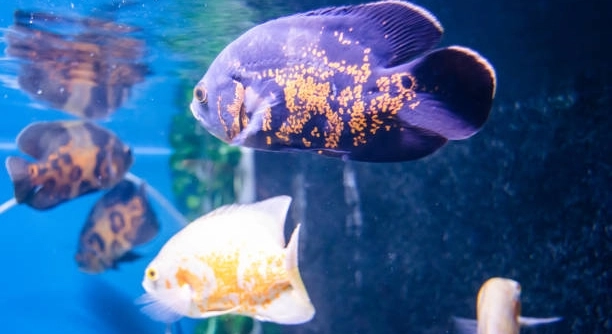
Oscar fish are known for their intelligence and strong personalities. They can form deep bonds with their owners, making it natural to wonder about their emotional capacity, especially when it comes to grief. This article explores that possibility.
Oscar fish, like many animals, are believed to experience emotions, including grief. While there is no definitive scientific evidence proving that fish feel grief the way humans do, there are behaviors suggesting they can experience stress and loss.
Understanding the emotional experiences of Oscar fish can help improve their care and ensure their well-being. Explore how grief may manifest in these fascinating creatures.
Do Oscar Fish Form Strong Bonds?
Oscar fish are known for their impressive personalities, often becoming attached to their owners and surroundings. This bond can be particularly noticeable in tanks where the fish regularly interact with their human caretakers. They often display curiosity, even following their owners around the room. As a result, it’s not uncommon for Oscar fish to show noticeable reactions to changes in their environment or routine. If a tank mate passes away or if there is a sudden change in the setup, it’s possible that the Oscar fish may exhibit signs of distress, such as refusal to eat or appearing lethargic. These behaviors suggest that Oscar fish may experience something akin to emotional attachment, which can influence their reactions when something upsetting occurs.
Fish are often overlooked in terms of emotional depth, but there is growing evidence that many species, including Oscars, can form attachments. Observing their behavior carefully can help you better understand their emotional state.
A sudden shift in the fish’s behavior may indicate stress or a response to loss. This could be their way of showing a form of grief, even if it isn’t identical to human emotions.
The Science Behind Emotional Reactions in Fish
While fish like Oscars are not thought to grieve in the same way humans do, their behavior still provides clues about their emotional capacity. Research suggests that fish can experience stress, fear, and even excitement, which implies that their emotional range may be broader than traditionally believed. Scientists have studied how fish respond to changes in their environment, and many have demonstrated the ability to recognize familiar individuals and respond to their absence or departure. Oscar fish are particularly responsive to these changes, often reacting strongly to the loss of a tank mate.
Their behaviors after such events can include hiding, reduced activity, and altered eating habits. These responses are likely a sign of stress, possibly linked to the emotional bond they have formed with their companion. Just like mammals, fish may seek comfort or avoid stress-inducing situations when they feel overwhelmed by a loss. This growing understanding of emotional responses in fish adds a new layer to how we care for them, highlighting the importance of a stable, nurturing environment to support their well-being.
Their ability to remember and recognize individual tank mates further suggests a level of attachment. Such behavior should encourage fish owners to consider their pets’ emotional needs as much as their physical care.
Behavioral Signs That Oscar Fish Might Experience Grief
Oscar fish can exhibit certain behaviors that suggest they may feel grief. After the loss of a tank mate, they might become unusually quiet, stop eating, or swim aimlessly. These changes indicate that the fish could be experiencing emotional distress.
In some cases, Oscar fish might even display signs of aggression or withdraw from their usual routines. These reactions are often temporary but can persist for several days, showing that the fish are adjusting to the loss. Their response can resemble mourning in a way, with a lack of interest in their surroundings or a decrease in overall activity.
When this happens, it’s essential to monitor the fish closely. You may need to adjust the environment to make them feel more secure, offering new stimulation or even a new tank mate. While grief in fish may not be the same as human mourning, these behaviors suggest that they do experience emotional turmoil.
How To Help Your Oscar Fish During Stressful Times
If your Oscar fish is displaying signs of grief or stress, it’s important to provide a stable and comforting environment. First, ensure that the water conditions are ideal, as stress can be heightened by poor water quality. Clean water and the right temperature can make a significant difference.
You can also consider introducing a new tank mate if the fish seems lonely. However, this must be done gradually, ensuring the new fish is compatible with your Oscar. Keep a close eye on their interactions, as this process can take time. Be patient as the Oscar fish adjusts to changes.
Making the tank environment more enriching can also help. Adding hiding spots or different decorations can give the Oscar fish a sense of security. The goal is to reduce stress while helping them cope with the emotional shift.
The Role of Tank Mates in Oscar Fish’s Emotional Well-being
Oscar fish often thrive when they have a companion in their tank. Having a tank mate can provide a sense of security and prevent isolation. The absence of a familiar fish can lead to noticeable changes in behavior.
Fish that are social, like Oscars, may benefit from having another fish around. If one fish dies, the remaining Oscar might feel more vulnerable, leading to signs of stress. Adding a compatible tank mate can sometimes ease these feelings and restore balance in the tank. It’s important to ensure the new fish is not a source of further aggression.
Recognizing Stress Versus Grief in Oscar Fish
It can be challenging to distinguish between stress and grief in Oscar fish. Stress can arise from various factors like poor water quality, incompatible tank mates, or overcrowding. Grief, on the other hand, usually happens after the loss of a companion.
Fish can exhibit both stress and grief through reduced appetite or lethargy. However, grief often manifests more clearly when the fish displays signs of distress after a companion’s death. Unlike stress, which can be a result of external factors, grief seems directly tied to emotional loss.
Keeping Your Oscar Fish Healthy After Loss
Maintaining a stable environment is key to helping your Oscar fish recover from the emotional strain of losing a companion. Clean water, proper filtration, and a balanced diet all contribute to their overall well-being. Pay attention to their behavior, and adjust the environment accordingly.
FAQ
Can Oscar fish feel emotions?
Oscar fish, like many animals, can exhibit signs of emotional behavior. They are known to form bonds with their owners and even with other fish in the tank. While it’s difficult to prove exactly what they feel, it’s clear that they can respond to changes in their environment, which suggests they may experience emotions like stress or discomfort.
How do I know if my Oscar fish is grieving?
When Oscar fish are grieving, they may display certain behaviors such as swimming aimlessly, hiding, or becoming unusually quiet. They might also lose interest in food, which is a clear sign of distress. This behavior may last for a few days, but it can sometimes persist longer, depending on the situation.
What can I do if my Oscar fish seems stressed?
If your Oscar fish is showing signs of stress, start by checking the water quality. Poor water conditions, such as improper temperature or high levels of ammonia, can stress fish. Make sure the tank is clean, the water is the correct temperature, and the filtration system is working properly. Additionally, try reducing any external stressors, like loud noises or sudden changes in the environment.
Is it okay to add a new fish after my Oscar’s companion dies?
Yes, but it’s important to introduce a new fish carefully. Oscar fish can be territorial and may not immediately accept a new tank mate. Gradually introduce the new fish to avoid aggression, and monitor their interactions closely for the first few days. It’s also important to ensure that the new fish is compatible in terms of size and temperament.
How long does it take for an Oscar fish to recover from stress?
The time it takes for an Oscar fish to recover from stress depends on the cause of the stress. If the cause is addressed, such as improving water quality or reducing tank mate conflicts, the fish may recover within a few days. However, more severe stress, such as the loss of a companion, may take longer to heal.
Can I prevent my Oscar fish from feeling stressed?
While it’s impossible to completely eliminate stress, there are several ways to minimize it. Keeping the tank environment stable, ensuring a proper diet, and avoiding overcrowding are key steps. Regular maintenance of the tank, such as cleaning and monitoring water parameters, will also contribute to your Oscar’s well-being.
Do Oscar fish recognize their owners?
Yes, Oscar fish are quite intelligent and have the ability to recognize their owners. They may show excitement or curiosity when they see their human caregivers. This recognition can be especially evident if you are consistent in your actions, such as feeding them at the same time each day.
Why is my Oscar fish not eating after the loss of a tank mate?
Loss can cause your Oscar fish to stop eating, especially if they were closely bonded with the deceased fish. This can be a sign of stress or grief. It’s important to give your Oscar time to adjust, but make sure the water quality is good and the tank environment is peaceful.
Can Oscar fish live alone?
Oscar fish can live alone, but they may benefit from having a tank mate. Some Oscars are solitary, while others enjoy the company of another fish. If you choose to keep an Oscar alone, ensure the tank is large enough for it to have plenty of space to swim and explore.
How do I improve my Oscar fish’s diet during stressful times?
When your Oscar fish is stressed, it’s essential to make sure it’s getting the nutrients it needs. Try offering a variety of foods, such as pellets, frozen fish, or live food, to stimulate its appetite. It’s also important to avoid overfeeding, as this can worsen water quality, which adds stress.
Why is my Oscar fish acting aggressively?
Oscar fish may act aggressively for several reasons. Territorial behavior is common, especially if they feel their space is being invaded. This aggression can increase if the fish is stressed due to changes in the tank environment, such as a new fish or unclean water. Monitoring their behavior and making the environment comfortable can help reduce aggression.
Can Oscar fish recognize other fish?
Yes, Oscar fish can recognize other fish, especially if they’ve been living together for a while. They can develop bonds with their tank mates and may show distress if a familiar fish is removed or lost. This ability to recognize and remember other fish suggests that they have some level of social intelligence.
How can I tell if my Oscar fish is happy?
Happy Oscar fish will be active, swimming around their tank and interacting with their environment. They may also exhibit curious behavior when they see you, such as approaching the tank when you walk by or following your movements. A healthy appetite and regular activity are good signs of happiness.
Do Oscar fish need a lot of attention?
While Oscar fish can bond with their owners, they don’t require constant attention. They are independent but can enjoy interaction, especially during feeding time. A consistent routine helps them feel secure. However, they still need proper care, including tank maintenance and proper nutrition, to remain healthy and happy.
How can I reduce aggression between Oscar fish and other tank mates?
To reduce aggression, ensure that your Oscar fish has enough space in the tank. Oscar fish are territorial, and providing hiding places and separate territories can reduce conflict. Additionally, ensure that other tank mates are not too small or fragile, as Oscar fish might view them as prey.
Final Thoughts
Oscar fish are complex creatures with unique personalities. They can show a range of behaviors that might be interpreted as emotional responses, including signs of stress or grief when they lose a companion. While it’s still unclear how deeply they experience emotions compared to humans, there’s no doubt that their reactions to environmental changes are noticeable. Keeping them in a stable, clean environment and being mindful of their social needs can go a long way in helping them thrive.
Understanding the signs of grief or stress in Oscar fish is important for their well-being. Changes in behavior such as swimming aimlessly, reduced appetite, or isolation can all point to emotional distress. While some of these behaviors can be linked to environmental factors, like poor water quality or aggression from tank mates, they can also indicate emotional responses to the loss of another fish. The key is to observe their behavior closely and adjust their environment to make them feel secure.
In conclusion, while Oscar fish may not express grief in the same way humans do, they are certainly capable of experiencing emotional responses to changes in their environment. Providing a balanced, stress-free tank with compatible tank mates can help reduce emotional strain on these fish. By giving them a healthy, stable home and recognizing the signs of distress, you can ensure that your Oscar fish leads a happy and healthy life.

Hello,
If you enjoy the content that we create, please consider saying a "Thank You!" by leaving a tip.
Every little bit helps us continue crafting quality advice that supports the health, happiness, and well-being of pets around the world, for pets of all shapes, sizes, and species.
We really appreciate the kindness and support that you show us!