
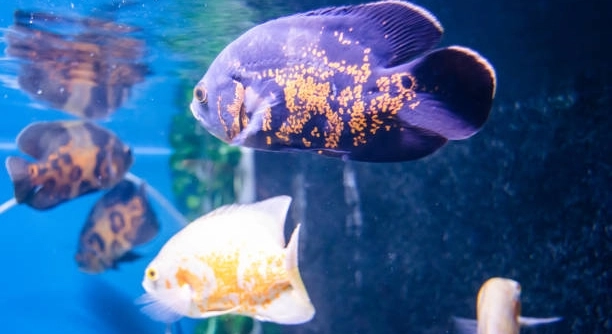
Oscar fish are known for their striking appearance and dynamic behavior. While these fascinating creatures capture attention with their beauty, many wonder about their ability to perceive the world around them, including color.
Research has shown that Oscar fish can indeed see color. Studies indicate that their vision includes a variety of wavelengths, similar to humans, though their color perception may differ in range and intensity compared to some other species.
This ability to perceive color affects how they interact with their environment, offering more insight into their natural behavior. Understanding how Oscar fish see the world helps deepen our connection to these remarkable aquatic pets.
How Do Oscar Fish Perceive Color?
Oscar fish are known for their keen vision, which includes the ability to distinguish colors. Their eyes have special adaptations that allow them to see a range of colors, similar to humans, though with some differences. While their vision is sharp, it doesn’t work the same way as it does in humans or some other species. These fish are thought to see primarily in shades of red, green, and blue, which play a role in how they interact with their environment.
Research has found that Oscar fish can process different colors, but their ability to differentiate between hues may not be as advanced as that of humans. Their eyes contain cone cells, which help detect color, and these cells are sensitive to specific wavelengths of light. However, it is still unclear whether their color range includes all the shades we can see.
Oscar fish rely on this color vision to interact with their surroundings. This is important not only for finding food but also for recognizing other fish and navigating their habitats. Their ability to detect color helps them stay alert to changes in the water, avoiding predators and seeking out mates. Understanding how they see color deepens our understanding of their behavior and needs in captivity.
The Role of Color in Their Behavior
Oscar fish’s ability to see color has a direct impact on their social interactions and feeding habits. They use color cues to communicate with each other, especially during mating. Color also influences how they react to their environment, whether it’s spotting food or noticing changes in light levels. By studying these behaviors, we can better care for them.
Oscar fish, in particular, are known for their territorial and aggressive behavior. Color plays a significant role in their interactions with other fish. During feeding or when feeling threatened, they may show more vibrant colors, signaling dominance or aggression. This can help establish boundaries within their tank, ensuring their safety in their environment. Keeping these behavior patterns in mind when maintaining their habitat is important for their well-being. Understanding how Oscar fish respond to color helps enhance their care in captivity.
How Color Affects Oscar Fish’s Feeding Habits
Oscar fish are drawn to colors when searching for food. Bright colors, especially red and orange, catch their attention and can trigger a feeding response. This helps them locate food sources in their natural habitat, where vibrant colors often indicate nutritious or safe prey.
In an aquarium setting, providing food that contrasts with the tank’s background can stimulate Oscar fish’s feeding instincts. For example, offering brightly colored pellets or live food like red worms can attract them more easily. Additionally, the color of the environment itself can influence how actively they search for food, making it important to consider their surroundings when planning their diet.
Over time, Oscar fish can learn to associate certain colors with feeding times or specific foods. This behavior shows how their color perception is not just about the environment but also directly linked to their survival and feeding habits. Understanding this can help you create a more engaging and responsive feeding routine for your fish.
Color in Oscar Fish’s Mating Rituals
Oscar fish use color to communicate during mating. During the breeding season, males display more vibrant and intense colors to attract females. The bright, contrasting hues make them stand out and signal their readiness to mate.
This coloration helps Oscar fish signal interest and dominance in their mating behavior. A male that appears more colorful is often more successful in attracting a mate. The changes in color during mating rituals are also a sign of a healthy fish, as they display these colors when they are in their prime condition. In some cases, females may also show changes in their coloring, especially when they are ready to spawn.
By observing the color changes during mating rituals, aquarium owners can identify potential breeding opportunities. Understanding these patterns helps in creating an optimal environment for breeding, ensuring that the fish’s natural behaviors are supported while they reproduce.
Oscar Fish and Tank Lighting
Lighting affects Oscar fish’s color perception and behavior. Proper lighting helps them distinguish between different colors, which is crucial for their interactions with other fish, food, and their environment. Bright, natural lighting can enhance their color range, helping them feel more at ease.
In tanks with low lighting, Oscar fish may seem less vibrant. Insufficient light can also affect their feeding behavior, as they rely on their vision to find food. Too much lighting, on the other hand, may cause stress or disrupt their natural behaviors. Adjusting the light levels in the tank is essential for their health.
Understanding how lighting impacts their color vision allows you to set up a better tank environment for Oscar fish. They thrive in conditions where the lighting mimics their natural habitat, ensuring they feel secure and behave naturally.
Colors They Respond to in Their Environment
Oscar fish respond strongly to bright, contrasting colors in their environment. These colors trigger their hunting and territorial instincts. Reds, yellows, and oranges seem to attract their attention most. This helps them recognize potential prey or threats.
Their response to colors helps them make decisions based on environmental cues. It also plays a role in how they interact with tankmates. For example, Oscar fish may react aggressively to bright-colored fish, while they may be more docile toward darker-colored tankmates. This color-based behavior helps maintain their social order in the tank.
Understanding Oscar Fish’s Vision Spectrum
Oscar fish see a broad spectrum of colors, but their vision is not exactly like human vision. They can detect reds, greens, and blues, similar to how humans perceive these colors, but they might not see them with the same vibrancy or clarity. Their color sensitivity is based on their specialized cone cells.
While their vision works well in their natural habitat, it is more adapted to spotting prey and avoiding predators. Understanding their vision spectrum can help aquarium owners better care for them, as it’s crucial to replicate lighting and colors that suit their natural environment.
FAQ
Can Oscar fish see in the dark?
Oscar fish, like many other fish, have adapted to seeing well in low light conditions. While they can’t see perfectly in total darkness, they can navigate dimly lit environments by relying on their other senses, such as smell and lateral line detection. This is common among fish species that live in murky or deep waters. In an aquarium setting, it’s important to provide them with appropriate lighting, but they will be comfortable in low-light conditions as long as there are no sudden changes.
Do Oscar fish prefer bright or dim lighting?
Oscar fish tend to prefer moderate lighting, replicating their natural habitat where they often swim in murky or shaded waters. Too bright of lighting can stress them out, while low lighting can make it harder for them to find food or interact with other tank mates. They do best in tanks where the lighting mimics their natural environment, giving them enough light to explore but not overwhelming them with brightness.
Can Oscar fish see colors like humans?
Oscar fish do see colors, but their perception is different from that of humans. They are believed to see a range of colors, including red, green, and blue, but their color vision may not be as broad or vibrant as ours. Their ability to perceive color helps them interact with their surroundings, such as finding food or recognizing mates. However, they may not perceive all the colors humans see, and their color range is likely focused on the shades that are most important for their survival.
What types of colors do Oscar fish react to the most?
Oscar fish respond strongly to bright and contrasting colors, particularly red, orange, and yellow. These colors can catch their attention, especially when they are hunting or interacting with other fish. Their response to color plays a role in their territorial and mating behaviors. For example, male Oscars often display more vibrant colors during breeding seasons to attract females. Bright colors can also signal food sources or potential threats, helping them make important decisions in their environment.
How does lighting affect Oscar fish’s behavior?
Lighting has a significant impact on Oscar fish’s behavior. In well-lit environments, they are more active and will engage in natural behaviors such as hunting, interacting with other fish, and exploring their surroundings. However, too much light can cause stress, while too little light can affect their ability to find food. Adjusting the lighting to a moderate level, similar to their natural habitat, helps reduce stress and creates a more comfortable and stimulating environment for the fish.
Do Oscar fish need specific colors in their tank?
Oscar fish benefit from a tank setup that incorporates colors they can easily distinguish. Bright colors, especially reds and oranges, can attract them and stimulate feeding responses. While it’s not necessary to decorate the entire tank with these colors, using colorful plants, decorations, or substrate can help engage their natural instincts. However, it’s important to avoid overly bright or fluorescent colors that could potentially stress the fish or disrupt their normal behavior patterns.
What are the best tank conditions for Oscar fish?
Oscar fish thrive in a tank with stable water conditions and moderate lighting. They prefer a slightly acidic to neutral pH range (6.5 to 7.5) and temperatures between 74°F and 81°F. The tank should also have a filter strong enough to handle the waste produced by these large, active fish. A spacious tank with plenty of hiding spots and swimming areas is ideal, as Oscars are known for their territorial behavior. Providing a balanced environment with proper lighting, temperature, and water conditions ensures their health and comfort.
Do Oscar fish have trouble seeing in cloudy water?
Yes, Oscar fish can have difficulty seeing in cloudy or murky water. Their vision is not as sharp in these conditions, and it can impact their ability to find food and recognize their environment. Cloudy water can be caused by various factors, including poor filtration, overfeeding, or an excess of waste in the tank. Regular water changes, proper filtration, and avoiding overfeeding are key to keeping the water clear and providing an optimal environment for Oscar fish.
Can Oscar fish recognize their owners?
Oscar fish have the ability to recognize their owners, particularly if they are fed regularly by them. They can associate the presence of their owners with food and will often become more active or swim toward them when they approach the tank. While Oscar fish may not form the same emotional bonds as some other pets, they are certainly capable of recognizing familiar individuals, especially in a consistent and routine feeding environment.
How can I make my Oscar fish more comfortable?
To make your Oscar fish more comfortable, it’s important to provide a well-maintained tank with the right water conditions, lighting, and temperature. Avoid sudden changes in the tank environment, as Oscars are sensitive to shifts in water quality and temperature. Regular water changes, proper filtration, and feeding a balanced diet can help keep them healthy. Adding natural elements like plants, rocks, and caves can provide hiding spots, which help reduce stress, especially during breeding seasons or when they feel threatened by other tank mates.
Final Thoughts
Oscar fish are fascinating creatures with unique behaviors and characteristics, particularly when it comes to their ability to see color. While their vision is not as broad as humans’, they can perceive key colors such as red, green, and blue. This ability helps them in identifying food, recognizing mates, and navigating their environment. Their color perception is influenced by various factors, including their tank lighting, the colors present in their surroundings, and even the type of fish they share their habitat with. Understanding how Oscar fish perceive color can help aquarium owners create a more comfortable and engaging environment for them.
Lighting plays an essential role in the overall well-being of Oscar fish. While they prefer moderate lighting that mimics their natural habitat, too much light can cause stress, and too little can impact their ability to find food. The right balance of light not only supports their color vision but also keeps them active and healthy. Additionally, the colors in their tank environment matter. Oscar fish are attracted to bright colors, particularly red and orange, which can stimulate feeding and interaction. This means that choosing the right decorations and tank setups can enhance their experience and make them feel more comfortable in their environment.
In conclusion, creating a tank environment that supports Oscar fish’s natural behaviors and color perception is key to their happiness and health. By understanding their visual needs and adjusting the lighting and tank setup accordingly, you can ensure that your Oscar fish thrive. Their ability to perceive colors and react to different stimuli is a vital part of their existence, influencing everything from their feeding habits to their interactions with other fish. Providing the right tank conditions will help your Oscar fish live a long, happy, and healthy life.

Hello,
If you enjoy the content that we create, please consider saying a "Thank You!" by leaving a tip.
Every little bit helps us continue crafting quality advice that supports the health, happiness, and well-being of pets around the world, for pets of all shapes, sizes, and species.
We really appreciate the kindness and support that you show us!