
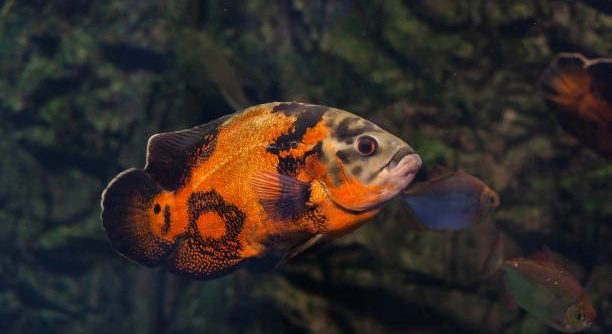
Oscar fish are known for their curious and active nature, making them a fascinating addition to many aquariums. Their behaviors can be quite intriguing, especially when it comes to how they respond to movement in their environment.
Oscar fish can indeed respond to motion. These fish are highly perceptive and often react to movement near their tank, whether it’s from people, other fish, or objects. They may follow motion with their eyes or move toward the source.
Understanding how Oscars react to motion is important for their care. It helps owners predict their behavior and create a more interactive environment for them.
How Oscar Fish Use Motion to Navigate Their Tank
Oscar fish are naturally curious creatures, often attracted to movement around them. This is not just for feeding purposes, but also as a way to stay aware of their surroundings. When they detect motion, they might follow it with their eyes or swim towards it. In the wild, this behavior helps them locate prey or avoid danger. In an aquarium, the fish can become more interactive and responsive, especially if the motion is near the tank. It’s also common for Oscars to become more active when they sense people moving around, potentially recognizing their owners.
Oscars are particularly sensitive to motion because of their keen eyesight. They rely on their vision to detect food, other fish, or potential threats. This heightened awareness is part of what makes them so engaging in home aquariums.
When there’s constant motion, whether it’s from hands moving by the glass or changes in water conditions, Oscars may show different behaviors. They might swim around excitedly or become more alert. Sometimes, their reaction can also depend on their mood or whether they associate the motion with food or something else.
Motion as a Key Factor in Oscar Behavior
Oscars respond to different types of motion in various ways. Their reaction might also change depending on their age, size, and experience in the tank.
Their response to movement is often a sign of their social nature. Oscars recognize the presence of their owners, which can cause them to swim near the glass or even perform attention-seeking behaviors like tapping on the tank. This is especially true if the motion is something they associate with feeding time. New objects or changes in the tank can also stir their curiosity, prompting them to swim around, exploring the new additions.
The combination of curiosity and the need for stimulation makes Oscar fish very interactive. If you notice your Oscar following your finger as it moves along the glass, it’s likely a sign that they’re trying to engage with you. They may even tap the glass or swim up and down, signaling their desire for attention or food. This reaction shows their ability to adapt to their environment and recognize patterns. Whether it’s responding to human movements or changes in their surroundings, Oscars are always processing information through sight, making them one of the most active fish to observe in your aquarium.
Why Oscar Fish React to Motion
Oscar fish are naturally reactive to motion because they associate movement with the possibility of food or interaction. Their instincts drive them to engage with anything that moves, helping them stay alert to potential opportunities or threats.
Their behavior is largely driven by their vision. Oscars have well-developed eyesight, allowing them to detect motion even in dim lighting. This helps them respond quickly to changes in their environment. When an object or person moves near their tank, they often react by swimming toward it or closely observing. Over time, they can even begin to recognize patterns, like a person moving in and out of the room.
Oscar fish are not just passive observers; their reactions are an active part of their survival instinct. Whether it’s a finger moving by the glass or another fish swimming around, Oscars will likely respond to these stimuli. This makes them highly interactive in the aquarium. As they become accustomed to regular movements, they might even anticipate feeding times or changes in their environment, enhancing their overall engagement with their space.
The Impact of Regular Movement on Oscar Fish
Oscars become accustomed to the movement in their tanks over time. They may begin to expect certain actions, such as feeding or cleaning. These regular movements can also influence their behavior patterns.
The more consistent motion, such as feeding times or cleaning sessions, will likely build a routine for the fish. This allows the Oscar to not only anticipate food but also develop a connection to their human caretakers. If you move around their tank at the same times every day, the Oscars will recognize it and become more comfortable, knowing that movement doesn’t always mean danger. This routine can strengthen the bond between them and their owners.
While Oscars are very intelligent, they also learn to distinguish between different types of motion. They may react differently to random, unpredictable motion than to familiar patterns. For example, sudden movements might trigger a flight response, while regular, expected actions can make the fish feel more secure. Understanding how your Oscar reacts to these movements can help you create a more enriching environment for them.
How Oscar Fish React to Different Types of Motion
Oscars can react to various types of motion differently. Quick, sudden movements can make them feel threatened, while slow, predictable motions can make them feel comfortable. Their reactions often depend on what they associate the movement with.
If they see fast movements, they may swim quickly away or hide in a corner of the tank. This behavior is common when Oscars feel uncertain or stressed. Slow movements, such as someone gently moving their hand near the glass, tend to result in more curiosity. Oscars are more likely to swim toward it, especially if they associate the movement with feeding.
Understanding these differences can help you reduce stress for your Oscar. It’s helpful to observe your fish and see how they respond to different movements. This way, you can create an environment that feels secure while still keeping them engaged.
Movement’s Effect on Oscar’s Feeding Behavior
Oscar fish often associate motion with food, especially if they have been trained to expect it. When they see quick movement near their tank, they may swim toward it, hoping for a meal.
This connection between movement and food is something you can use to your advantage. Over time, Oscars learn to recognize the routine of feeding, so any motion resembling feeding behavior triggers a reaction. You might notice them swimming excitedly when you walk near the tank or even tapping the glass. Their ability to link motion with food shows how adaptive they are to their environment.
When Oscar Fish Avoid Motion
Sometimes, Oscars will avoid motion, especially if they feel threatened or scared. If there’s a lot of quick, erratic movement near their tank, they might retreat to a corner.
FAQ
Do Oscar fish get stressed by motion?
Yes, Oscar fish can get stressed by certain types of motion, especially if it’s sudden or erratic. Fast movements near the tank can make them feel threatened, causing them to retreat to a corner or hide. Oscars, like many other fish, are naturally cautious creatures and rely on their environment to stay calm. To avoid stressing your Oscar, try to keep movements near the tank smooth and predictable. Over time, they’ll get used to your movements if they are consistent, but sudden or loud noises can still startle them.
How do Oscars react to human movement?
Oscars are often very responsive to human movement. They may recognize their owners and show excitement when they approach. If you move around the tank, Oscars may swim toward you or follow your movements with their eyes. Over time, they can even anticipate feeding time by recognizing patterns in your behavior. This connection is part of what makes Oscars so interactive. However, some Oscars may be more skittish and prefer to retreat when they sense human activity, especially if they are not used to it.
Can Oscars recognize specific movements?
Yes, Oscars are capable of recognizing specific movements, especially if those movements are associated with feeding or other important events. For example, if you always feed your Oscar at the same time every day, they may learn to expect food when they see you approaching the tank or when they see certain motions like the opening of the tank lid. They can also distinguish between different types of motions, such as when you are simply cleaning the tank or interacting with them.
Do Oscars get excited by movement in their tank?
Yes, Oscars can get excited by movement, especially if they associate it with something positive like food. When they see or sense movement in or around the tank, they may swim energetically to investigate. Their excitement can also be a sign of curiosity, as they are intelligent and naturally inquisitive. Oscars may react to both the movement of objects within the tank, like other fish or decorations, and the movement outside the tank, like a person walking past or tapping on the glass.
How does motion affect the social behavior of Oscars?
Motion plays a significant role in the social behavior of Oscar fish. They are known to be social fish and will often interact with other Oscars or tank mates. Motion can trigger this social behavior, especially if there’s a new object or fish in the tank. Oscars may become more active, swimming around and checking out what’s moving. In some cases, if the motion comes from another fish, it can lead to a display of dominance or even aggression. Social interactions among Oscars are often influenced by their response to motion in their environment.
Do Oscars respond to motion differently than other fish?
Yes, Oscars tend to respond to motion more actively than some other types of fish. They are highly perceptive and more likely to react to movement in their environment. While some fish may be indifferent or shy about motion, Oscars are known for their curiosity and social nature, which leads to them being more engaged. They will often follow movement with their eyes or swim toward it. However, the extent of their reaction can depend on their individual personalities, age, and the level of familiarity they have with the movement.
What can I do to minimize stress caused by movement in my Oscar’s tank?
To minimize stress, try to keep the movements around the tank calm and consistent. Avoid sudden or jerky actions that could startle your Oscar. If you need to move something in the tank, do so slowly and carefully. Routine feeding times can also help your Oscar feel more comfortable, as they will associate the motion with positive experiences. Additionally, avoid tapping on the glass or making loud noises near the tank, as these can be unsettling for your fish. Creating a calm and predictable environment helps Oscar fish feel secure and less stressed by movement.
Can Oscars be trained to respond to specific movements?
Yes, Oscars can be trained to respond to specific movements, especially if those movements are linked to food or positive reinforcement. For example, you can train your Oscar to swim to a certain spot in the tank when you make a particular hand gesture. This can be achieved by consistently pairing the movement with feeding or another enjoyable activity. Over time, your Oscar may begin to associate that specific motion with a reward, making them more likely to respond. While this requires patience and consistency, Oscars are intelligent and capable of learning these behaviors.
How does movement affect the feeding habits of Oscars?
Oscars are highly responsive to movement when it comes to feeding. They quickly learn to associate motion with the arrival of food. When you move near the tank or prepare to feed them, they will likely become excited and swim toward the source of the motion, anticipating food. This connection is so strong that Oscars may even start to react when they see you make motions that they associate with feeding, such as opening the tank lid or reaching for the food container. Recognizing these cues can help you establish a feeding routine, making feeding time more predictable for your Oscar.
Can motion cause Oscars to fight with each other?
Yes, movement can sometimes trigger aggression between Oscar fish, especially if they are housed together in the same tank. Oscars are territorial fish, and when they detect motion from another Oscar or another fish, it can lead to a display of dominance. This is particularly common if the fish are not properly introduced or if their territories overlap. In some cases, the movement of one Oscar may provoke another into aggressive behavior, such as chasing or even biting. To avoid this, it’s important to ensure enough space and hiding spots for each fish in the tank to minimize stress and conflict.
Final Thoughts
Oscar fish are highly responsive to motion, and their reactions can tell us a lot about their behavior and needs. They are naturally curious and active, often responding to movement in their tank or around it. This response is part of their instinct to stay aware of potential food, threats, or changes in their environment. Over time, Oscars can learn to associate specific motions with feeding or other important activities, which makes them more interactive and engaging in the home aquarium. Understanding how they react to movement is key to creating an environment that is both comfortable and stimulating for them.
While motion is a significant factor in their behavior, it’s important to remember that not all movement will have the same effect. Fast or unpredictable motions can cause stress, while slow, consistent actions often make the Oscars feel more at ease. For instance, they might become more excited or curious if they see someone moving slowly near the tank, but sudden, quick movements might make them feel threatened. As a pet owner, you can help minimize stress by maintaining a calm and predictable routine. Consistent feeding times and gentle handling of the tank will allow your Oscar to feel safe and comfortable.
In the end, Oscar fish are unique because of their ability to respond to motion and interact with their owners. This behavior makes them fascinating and engaging pets. By understanding how they react to movement, you can build a better relationship with your Oscar. Whether it’s recognizing the link between motion and food or simply observing how they navigate their space, their sensitivity to movement is a big part of their personality. With the right care and attention, your Oscar will thrive, becoming a more active and interactive member of your home aquarium.

Hello,
If you enjoy the content that we create, please consider saying a "Thank You!" by leaving a tip.
Every little bit helps us continue crafting quality advice that supports the health, happiness, and well-being of pets around the world, for pets of all shapes, sizes, and species.
We really appreciate the kindness and support that you show us!