
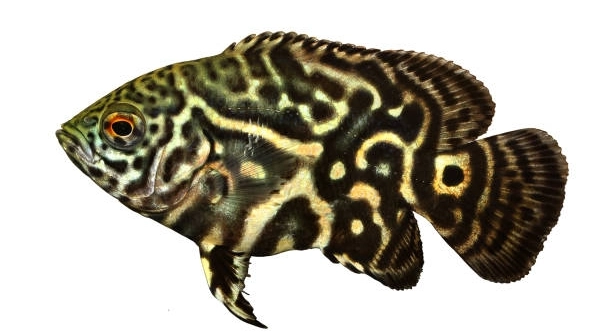
Oscar fish are popular aquarium pets known for their intelligence and unique personalities. If you own one, you may have noticed that they seem to get excited around feeding time. This behavior often sparks curiosity.
Oscar fish are capable of remembering feeding times. They can learn routines and recognize their owners. Studies suggest they associate specific times with food, which can help them anticipate meals. This ability is linked to their memory and learning patterns.
Understanding how Oscar fish remember feeding times can help improve their care and your bonding experience with them. Keeping consistent schedules can enhance their overall well-being.
How Oscar Fish Learn Feeding Times
Oscar fish are known for their ability to recognize routines, especially around feeding times. They are highly intelligent and have a keen sense of timing, which allows them to learn when food is typically provided. Over time, they can start to associate certain actions, like the sound of a tank lid opening or the appearance of their owner, with feeding. This ability to form associations is an example of their cognitive capacity.
Oscar fish thrive on routine. Their brains can process patterns and predict when they will be fed. If you feed them at the same time every day, they will start to expect food at that time. This behavior is similar to how many pets, like dogs, anticipate meal times. It’s all part of their instinct to ensure they are fed regularly.
This learned behavior can also be used to improve their care. By feeding them consistently, you reinforce their memory and help them feel secure. A predictable feeding schedule can help keep them calm and reduce anxiety.
The Importance of Consistency
Consistency is key for your Oscar fish. They become accustomed to certain patterns, which helps them feel safe and comfortable. When feeding times are regular, they develop trust in their environment.
When feeding is irregular, Oscar fish may become stressed or confused. Unpredictable feeding schedules can disrupt their routine, which may lead to anxiety. These fish thrive on structure, and when they know when to expect food, they feel more secure in their tank. Consistent feeding times also make it easier to monitor their health. If they stop responding to their usual feeding routine, it could be a sign of illness or discomfort.
How Oscar Fish Recognize Their Owners
Oscar fish are highly observant and can recognize their owners over time. They use sight, sound, and other senses to differentiate between familiar people and strangers. Their ability to remember faces or movements helps them connect with their owners.
Over time, Oscars begin to recognize the actions that typically lead to feeding. They learn to associate their owner’s presence with food. This recognition can also trigger excitement in them. For example, when you approach their tank, they may start swimming faster or moving toward the surface, anticipating a meal. Their cognitive ability allows them to form these associations. This recognition also shows how they can become attached to their owners and their routines.
Oscar fish are also known to respond to the tone of their owner’s voice. If you speak to them while feeding, they might associate your voice with meal time. This adds another layer of recognition to their behavior and further strengthens the bond between you and your fish.
How Feeding Time Affects Their Behavior
Oscar fish can show noticeable changes in behavior when they know feeding time is near. They can become more active, swim in specific patterns, or even follow their owners. This excitement is part of their learned routine and anticipatory response.
Their behavior at feeding time also indicates their intelligence. Oscars have been shown to understand time to some extent. Over time, they adapt to a schedule and become more interactive. They may start swimming to the surface of the tank as the feeding hour approaches. These changes in behavior can be a sign of a healthy, well-adjusted fish. If your Oscar is displaying these signs, it likely means they are comfortable with their feeding routine. They are eager to engage with their environment, which is a good indicator of their mental stimulation.
Can Oscar Fish Learn from Their Mistakes?
Oscar fish have the ability to learn from their environment and experiences. If they make a mistake, such as attempting to eat something that isn’t food, they can remember that experience and avoid it in the future.
Like other intelligent animals, Oscars adapt to their surroundings. If they try to eat something non-edible, like a decorative object, they may quickly realize it’s not food and avoid it next time. Over time, their learning helps them improve their behavior. They make decisions based on past experiences, which is part of their cognitive process. This ability is beneficial in preventing harm to them or their environment.
How Oscars React to Feeding Variations
Oscar fish are also sensitive to changes in their feeding schedule. If the time or type of food is altered, they may react differently. They can become hesitant, confused, or even stressed if things change too suddenly.
A change in routine might take a little time for your Oscar to adjust to. They may become less enthusiastic or swim away from the feeding area. Some Oscars may refuse food if it’s not served at the usual time or in the usual manner. These changes highlight the importance of keeping feeding times consistent for their well-being. The more stable their environment, the healthier and more confident they will be.
Are Oscars Picky Eaters?
Oscar fish can indeed be picky eaters. They might prefer certain types of food over others, and it’s not uncommon for them to refuse certain items. Their dietary preferences can vary, and understanding these habits is key to providing a balanced diet.
Oscars are known to have a strong preference for live food, but they can also eat frozen or prepared options. If they refuse food, it’s essential to check whether it’s something they typically enjoy. Sometimes, introducing variety can help spark their interest. However, be cautious not to offer too many options at once. Over time, they will show a preference for specific types of food, and offering those can help encourage regular eating.
FAQ
Do Oscar fish get excited before feeding?
Yes, Oscar fish can show excitement when it’s time for their meal. They often swim around more actively and may move to the surface of the tank as they recognize the feeding time. This excitement is part of their memory and routine, which helps them anticipate food. They can even associate certain sounds, like the lid of the tank opening, with feeding time, making them more eager when they hear those familiar noises.
How can I tell if my Oscar fish is hungry?
A hungry Oscar will often display active behaviors, such as swimming rapidly or hanging near the surface of the tank, especially when they recognize you or see movement near the tank. They might also follow your hand if you approach the tank, anticipating food. If your Oscar appears uninterested in food, it could be due to overfeeding, stress, or health issues.
Can Oscar fish remember their owner?
Yes, Oscar fish can recognize their owners. Over time, they learn to associate you with food and care, which leads to bonding. They can remember your face, your voice, and the actions you take around the tank. This recognition allows them to react to you in different ways, such as following your movements or becoming more active when they see you approach.
Why does my Oscar fish stop eating?
If your Oscar stops eating, it could be due to several reasons. Stress, a change in water conditions, or a change in their feeding schedule are common causes. Illness can also lead to loss of appetite. If your fish refuses food for several days, it’s important to check water parameters like temperature, pH, and ammonia levels. A visit to a vet or aquatic expert may be needed if health problems are suspected.
Do Oscar fish recognize feeding times?
Oscar fish can recognize and remember feeding times. They learn to anticipate meals based on the routine you establish. If you feed them at the same time each day, they will start to expect food around that time. This behavior is a sign of their intelligence and ability to form associations. Over time, Oscars can become more active and excited when they know feeding time is approaching.
How often should I feed my Oscar fish?
Oscar fish should be fed once or twice a day, depending on their age and size. Juvenile Oscars require more frequent feeding because they grow quickly, while adult Oscars may only need one meal a day. It’s essential to avoid overfeeding, as it can lead to water quality issues and obesity in your fish. Offering them a variety of food, including pellets, live food, and frozen foods, will help maintain a balanced diet.
Can Oscar fish recognize other fish in their tank?
Yes, Oscar fish can recognize other fish in their tank. They may become territorial or establish a hierarchy with other fish based on size or dominance. Oscars are known to be semi-aggressive, and they may show signs of territorial behavior by chasing or nipping at other fish. However, with proper tank mates and space, they can coexist peacefully with other species.
How long can Oscar fish go without food?
Oscar fish can survive for a few days without food, but it’s not ideal for their health. Typically, they can go 3-5 days without eating, but prolonged periods without food can stress them and weaken their immune system. If you need to leave for an extended period, it’s best to have someone feed them or use an automatic fish feeder.
Why does my Oscar fish eat too much?
Oscar fish may overeat for several reasons. Some Oscars are naturally more food-driven, especially if they have been overfed in the past. Overfeeding can lead to obesity, poor water quality, and even health problems. To prevent overeating, establish a feeding schedule, offer measured portions, and avoid leaving food in the tank for long periods.
Can Oscar fish eat live food?
Yes, Oscar fish enjoy live food. In their natural habitat, they are carnivorous and hunt smaller creatures. In an aquarium setting, live food like feeder fish, worms, and insects can mimic their natural diet. However, live food should be offered cautiously, as it can introduce parasites or diseases to your tank. It’s important to quarantine live food before feeding it to your Oscar.
How do I make my Oscar fish feel safe?
To make your Oscar fish feel safe, provide a stable environment with consistent water conditions, a secure tank setup, and regular feeding schedules. Reducing stress factors, such as loud noises, sudden changes in the tank, and aggressive tank mates, will help your Oscar feel comfortable. It’s also beneficial to give them hiding spots, such as rocks or plants, to retreat to when they feel threatened.
How do I know if my Oscar fish is sick?
Signs that your Oscar fish may be sick include loss of appetite, unusual swimming patterns (such as swimming upside down or rubbing against objects), changes in skin color, visible sores, or bloating. If you notice any of these signs, it’s essential to check water conditions first and then consider consulting a vet or aquatic specialist for a proper diagnosis.
What type of food is best for Oscar fish?
Oscar fish thrive on a varied diet, which should include high-quality pellets, frozen foods like bloodworms and shrimp, and occasional live food. Offering a mix ensures they get the necessary nutrients. Avoid feeding them only one type of food, as it could lead to nutritional imbalances. Fresh or frozen vegetables, such as peas or zucchini, can also be provided as a treat, though they should not be the main part of their diet.
How do I prevent my Oscar fish from becoming aggressive?
To prevent aggression, ensure that your Oscar has enough space in the tank. Oscars are territorial and need room to establish their territory. Adding tank mates that are too small or too similar in size can trigger aggression. It’s also important to monitor water conditions, as poor water quality can increase stress and aggression levels.
Final Thoughts
Oscar fish are intelligent and fascinating creatures, capable of learning and remembering feeding times, recognizing their owners, and even adapting to new routines. Their behavior, from their excitement around feeding time to their reactions to changes in their environment, shows how observant and adaptable they are. Understanding these traits can help improve the care you provide and strengthen the bond between you and your Oscar.
Maintaining a consistent feeding schedule is one of the most important things you can do for your Oscar. Not only does it keep them healthy, but it also helps them feel secure. When their routine is stable, they are less likely to experience stress or anxiety. This consistency can make a significant difference in their overall well-being. Additionally, their intelligence means they learn quickly, so it’s essential to ensure their environment and feeding habits are predictable and reliable.
However, it’s important to remember that Oscars, like all pets, require attention and care. While they are good at remembering routines and learning from their experiences, they also need variety in their diet and a proper tank environment to thrive. Overfeeding, irregular water conditions, or sudden changes in feeding times can disrupt their behavior and health. By observing your Oscar closely and understanding their needs, you can provide a happy and healthy life for your fish.

Hello,
If you enjoy the content that we create, please consider saying a "Thank You!" by leaving a tip.
Every little bit helps us continue crafting quality advice that supports the health, happiness, and well-being of pets around the world, for pets of all shapes, sizes, and species.
We really appreciate the kindness and support that you show us!