
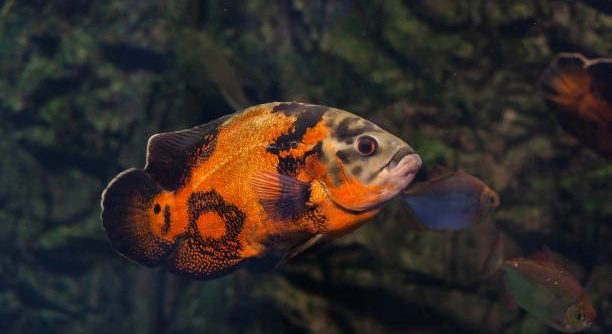
Oscar fish are known for their curious and active behavior, often engaging with their surroundings. One aspect of their behavior that stands out is how they interact with food. Many fish are attracted to movement or certain smells, but do Oscar fish have the ability to recognize different foods?
Oscar fish can indeed recognize different foods. Research suggests that they are capable of distinguishing between various types of food, likely due to their keen sense of sight and smell. This allows them to react differently based on what they are being fed.
The way Oscar fish interact with their food reveals interesting insights into their feeding habits and intelligence. Their ability to recognize different types of food is part of their fascinating behavior.
How Oscar Fish Detect Different Foods
Oscar fish are highly observant creatures, using a combination of their sense of sight and smell to differentiate between various foods. Their sharp vision allows them to spot food from a distance, while their sense of smell helps them identify specific items. When you offer different food types, they often react in distinct ways, such as eagerly swimming toward their favorite treat or showing less enthusiasm for something they find less appealing.
Some food types, like live food or treats high in protein, might trigger a more excited response. On the other hand, standard fish flakes might not catch their attention as much. This means that Oscars are not just mindlessly eating; they are actually making decisions based on what they recognize and prefer. Over time, they may even begin to associate certain foods with positive or negative experiences, shaping their preferences.
The process of recognizing food is tied to their natural instincts. Oscar fish are known to be territorial and intelligent, meaning they can connect certain food items with specific events or routines. Their ability to recognize different foods is not just about survival but also part of their ability to adapt and thrive in their environment.
The Role of Repetition in Food Recognition
Oscar fish, like many animals, learn through repetition. By offering them the same type of food regularly, they become more familiar with it and may develop specific behaviors around it.
Their recognition of food improves with time and experience. For example, they may start to approach the surface whenever they see the familiar shape or color of their favorite food. The more consistently you offer them the same food, the quicker they can recognize it. Over time, this strengthens their ability to distinguish between foods based on appearance, smell, and taste. They become more adept at identifying food items and even anticipating when it’s time to eat.
In addition to recognition, this repetition may also affect their eating habits. They learn what foods provide them with the best nutrition and what foods they enjoy most. This process ensures they get the right balance in their diet while also indulging in their preferences. As Oscar fish grow older, their food recognition skills only get sharper.
Can Oscars Learn to Prefer Certain Foods?
Oscar fish can develop preferences based on their experiences with different foods. Over time, they may show a clear preference for one type of food over another, especially if it’s something they enjoy or that gives them a sense of satisfaction. These preferences can evolve based on taste, texture, and even past feeding experiences.
When offering a variety of food types, you might notice that your Oscar fish becomes more selective. For instance, they may eagerly consume live food or frozen treats, while showing less interest in flakes or pellets. This is because they are capable of recognizing the foods that give them the most enjoyment or nutritional benefit. It’s similar to how we develop food preferences based on taste, appearance, and past experiences. Oscars can also learn to associate certain types of food with good feelings or satisfying meals, which reinforces these preferences over time.
Fish like Oscars have an impressive ability to associate specific foods with certain events, often leading them to develop preferences. This is part of their intelligence and ability to adapt to their environment. If you regularly feed your Oscar fish a particular food, it may start to expect it and show increased excitement whenever it sees that food.
Are There Foods Oscars Should Avoid?
Some foods can be harmful to Oscar fish, even though they may show a preference for them. Foods that are high in fats or lack the proper nutrients can lead to health issues. It’s important to avoid feeding them only one type of food for too long.
Feeding your Oscar fish a balanced diet is essential for their health. While they may show excitement for certain treats, it’s vital to ensure their meals contain the right mix of proteins, fats, and vitamins. A varied diet helps maintain their health, while offering foods rich in nutrients promotes long-term well-being. Overfeeding certain types of food, such as high-fat offerings, can lead to obesity or organ issues. Offering a wide variety ensures your fish receive all the necessary nutrients without the risks of overindulgence. It’s always a good idea to learn about the foods that are safe for Oscars and those that can cause harm.
How Oscars Recognize Food Visually
Oscar fish are visually oriented and can quickly identify food through sight. Their sharp vision helps them detect the shape, color, and movement of food, making it easier for them to recognize different types. This is especially true when the food is brightly colored or has distinct features.
When offering food to your Oscar fish, you may notice that they are more attracted to brightly colored or moving items. Live or frozen foods, like worms or shrimp, often catch their attention first because they have movement. They can differentiate food from their environment, allowing them to react quickly when food is present. Oscars are particularly good at recognizing shapes and sizes, helping them distinguish between different types of food, such as pellets or live prey.
Their ability to visually identify food is just one part of how they recognize it. Oscars will often approach the surface or swim toward the area where they expect food to appear, showing their ability to anticipate feeding times based on visual cues.
The Importance of Smell in Food Recognition
Oscar fish also rely on their sense of smell to recognize different foods. This helps them detect food before they can even see it, allowing them to locate it in their environment. Smell plays a large role in their feeding behavior.
Smell allows Oscars to distinguish between food types even when they are out of sight. The scent of food can draw them toward it, especially when live food is involved. Oscars use this sense to guide them toward food, as they can detect specific smells that signal a meal. This ability to combine smell and sight gives them an edge in recognizing food quickly.
Training Oscars to Recognize Feeding Times
Oscar fish can learn to associate certain actions or times with food. Over time, they may begin to recognize the routine, such as the sound of the tank lid opening or the motion of someone approaching with food.
By sticking to a feeding schedule, your Oscar will start to anticipate mealtime. They may even swim to the surface at the same time every day or when they hear the familiar sounds of you preparing their food. This trained behavior reinforces their recognition of food, allowing them to react quicker when feeding time approaches.
FAQ
Do Oscar fish have a favorite food?
Yes, Oscar fish can develop preferences based on taste and past experiences. They may show a clear liking for certain types of food, especially live or high-protein items like worms, shrimp, or small fish. Over time, Oscars can distinguish which foods they enjoy most, often responding more excitedly when those foods are offered. This preference can also change, depending on the variety of food you offer and how often it’s introduced into their diet.
How can I tell if my Oscar fish is hungry?
Oscar fish often display behavior that signals hunger. They may swim to the surface when they see you approaching or swim near the feeding area. Sometimes, they will become more active or follow you around the tank. If your Oscar is typically calm but suddenly becomes more energetic or visibly searching for food, it’s likely hungry. Their feeding responses can also become more enthusiastic the longer it has been since their last meal.
Can I feed my Oscar fish anything from my kitchen?
Feeding your Oscar fish foods from your kitchen isn’t always a good idea. While some human foods, such as cooked meat or vegetables, can be safe in moderation, many common kitchen foods can be harmful. For example, foods that are high in salt, sugar, or fat should be avoided, as they can negatively affect your fish’s health. It’s important to stick to a balanced, fish-specific diet that includes pellets, live or frozen foods, and the occasional vegetable. Always ensure that the food you offer is safe for aquarium fish.
How often should I feed my Oscar fish?
Oscar fish should be fed once or twice a day, depending on their age and size. Younger Oscars tend to require more frequent feedings, as they have higher energy needs. Adult Oscars can often thrive on one feeding per day. It’s important not to overfeed them, as this can lead to health problems like obesity and water quality issues. As a general rule, feed them only as much as they can eat within 5 to 10 minutes to avoid overfeeding.
Can Oscars eat live food?
Yes, Oscar fish can eat live food, and many find it a more natural and exciting meal. Live foods such as worms, small fish, and shrimp are great sources of protein for Oscars. However, it’s essential to ensure the live food is clean and free from disease. Wild-caught food can sometimes carry parasites or bacteria, so it’s often best to offer farmed live food or breed your own in a controlled environment. Offering live food occasionally can help keep your Oscar active and engaged.
Is it safe to feed Oscars frozen food?
Frozen food can be an excellent choice for Oscars, as it is often nutritionally balanced and free from harmful bacteria if handled properly. Popular frozen foods include shrimp, worms, and bloodworms. However, it’s important to thaw the frozen food properly before feeding it to avoid digestive issues. Always ensure the food is fully thawed and rinse it to remove any excess preservatives that could harm your fish.
What types of food should I avoid feeding my Oscar fish?
You should avoid feeding your Oscar fish any foods that are not specifically formulated for them, such as processed foods, dairy, or highly acidic fruits. Foods high in fat, like fried or fatty meat, can lead to obesity and liver problems. You should also steer clear of feeding them foods that may cause choking or damage to their digestive tract, such as large pieces of food or bones. Additionally, avoid feeding them any food that might have been contaminated with pesticides or chemicals.
Can Oscars eat plants or vegetables?
While Oscars are primarily carnivorous, they can eat certain vegetables in moderation. Offering them occasional vegetables like peas, spinach, or zucchini can provide added nutrients. It’s important to blanch the vegetables before offering them to make them easier to digest. Keep in mind that while they may nibble on some plants, their primary diet should consist of protein-rich foods.
How can I get my Oscar to eat new foods?
Oscar fish can sometimes be hesitant to try new foods. If you want to introduce a new type of food to your Oscar, try mixing it with something they already enjoy. You can also try offering the new food at a time when they are hungry or more active. It can help to make the food visually appealing by cutting it into small, bite-sized pieces. If your Oscar doesn’t show interest in a particular food right away, don’t worry. Continue to offer a variety of options, and they may eventually come around.
Do Oscars eat plants in their tank?
Oscar fish are not typically plant eaters, but they may nibble on plants if they are hungry or if the plant is soft. They are known to uproot plants, dig around in the substrate, and destroy plant life in their tanks. If you want to keep live plants in your Oscar’s tank, it’s best to choose hardy, fast-growing plants that can withstand their digging and nibbling. Plants like Anubias and Java Fern tend to be more resilient to Oscar fish.
Is it normal for Oscars to refuse food?
Oscar fish may refuse food for several reasons, such as stress, changes in water conditions, illness, or simply not being hungry. If your Oscar suddenly stops eating, first check the water parameters to ensure that the tank conditions are ideal. If the water quality is fine and the Oscar is still not eating, observe for other signs of illness, such as lethargy or abnormal behavior. If the issue persists for more than a few days, it may be worth consulting an aquarium vet.
Final Thoughts
Oscar fish are fascinating creatures with distinct behaviors, especially when it comes to food. Their ability to recognize different types of food is not only based on their sharp vision and sense of smell but also influenced by their experiences. Over time, they develop preferences and can distinguish between what they like and dislike. This makes feeding them a bit more personal, as they learn to expect certain foods and react accordingly. As with any pet, understanding these preferences helps ensure their well-being.
It’s important to remember that while Oscar fish may seem like they’re just eating for the sake of eating, their food choices are part of a broader behavioral pattern. They are intelligent creatures that can associate certain foods with positive or negative experiences. This means that feeding your Oscar regularly and diversely is key to keeping them healthy and happy. However, not all food is suitable for Oscars, and a balanced diet is essential. Avoid feeding them too much fatty or processed food, and stick to what’s safe and nutritious for them.
Caring for Oscar fish goes beyond just feeding them; it’s about ensuring they have the right environment and diet for their needs. Oscars thrive in well-maintained tanks with clean water and plenty of space. When their basic needs are met, they are more likely to be active and content, showing off their intelligent and engaging behaviors. Whether you’re a new Oscar owner or experienced, paying attention to their eating habits and preferences is an important part of keeping them healthy for years to come.

Hello,
If you enjoy the content that we create, please consider saying a "Thank You!" by leaving a tip.
Every little bit helps us continue crafting quality advice that supports the health, happiness, and well-being of pets around the world, for pets of all shapes, sizes, and species.
We really appreciate the kindness and support that you show us!