
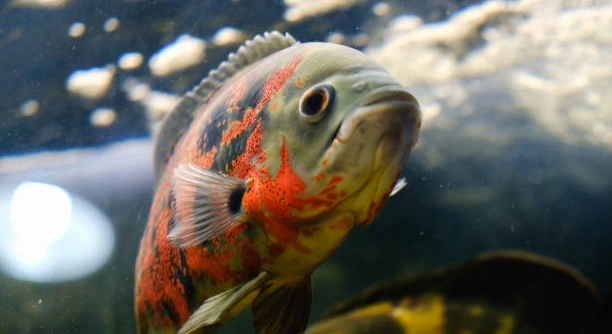
Oscar fish are known for their intelligence and unique behavior. They are often kept as pets and have captured the attention of aquarium enthusiasts due to their interesting traits and ability to interact with their environment.
Oscar fish can indeed react to your voice. They are capable of recognizing sounds and responding to familiar voices, particularly when they associate those sounds with feeding or other positive experiences. Their reactions may include swimming toward the sound or displaying excitement.
Understanding how Oscar fish respond to human interaction can help improve their care and strengthen the bond between you and your pet.
How Oscar Fish Hear and React to Sound
Oscar fish have excellent hearing and can detect sounds through vibrations in the water. Their ability to recognize familiar voices or noises is not limited to feeding time. They respond to regular human interactions, like talking or tapping on the aquarium glass. Over time, they associate these sounds with specific actions or outcomes, such as being fed. This connection allows them to display certain behaviors, such as swimming to the surface or coming closer to the glass when they hear your voice. These responses demonstrate the bond they can form with their environment and owners.
Although Oscar fish do not hear in the same way humans do, they can still perceive high and low-frequency sounds. Their sensitive hearing allows them to recognize patterns and react accordingly. This sensitivity is vital for survival in the wild, where they must detect predators or prey.
In captivity, the sounds they are most familiar with are usually linked to their care routine, such as feeding. Recognizing the importance of these interactions helps reinforce their responsiveness. Being consistent with sounds, such as talking to your fish, ensures a predictable environment for them. Over time, the sound of your voice will be one of the most important stimuli in their life, creating a sense of security and connection.
Can Sound Influence Their Behavior?
Oscar fish are capable of reacting differently based on the volume and tone of sounds. Some studies show that loud, sudden noises may startle them, while softer, familiar sounds can create a calming effect.
Oscar fish are intelligent and aware of their surroundings. By speaking or making other soft noises near the aquarium, you can create an environment where they feel more secure. This helps reduce stress and allows them to interact with you in a more relaxed manner. They are likely to recognize you and respond more calmly to your voice over time.
Voice Recognition and Conditioning
Oscar fish can learn to recognize the sound of their owner’s voice. Over time, they associate this familiar sound with feeding or interaction. This recognition helps create a bond between the fish and their owner, allowing for more predictable responses from the fish. They may even show excitement when they hear their name or voice.
When conditioned, Oscar fish may swim to the surface, approach the glass, or become more active as they hear the sounds of feeding time. Repeating these vocal cues consistently creates a pattern in the fish’s behavior. They will start anticipating these sounds as part of their routine. The fish will begin associating the voice with positive outcomes, especially food.
This process is not unique to Oscar fish but is common among many pet fish species. However, their behavior becomes more noticeable because of their intelligence. Over time, they display reactions such as swimming more quickly to the top of the tank or following the voice’s direction.
Stress and Noise Sensitivity
Oscar fish are sensitive to stress, and loud noises can negatively affect their behavior. A sudden or unexpected sound may cause them to hide or act erratically. This sensitivity can be linked to their survival instincts in the wild, where sudden sounds often indicate danger.
In the aquarium, it’s crucial to maintain a peaceful environment. Avoiding loud or abrupt noises near the tank can help reduce unnecessary stress. Over time, if exposed to consistent loud sounds, Oscar fish may become agitated or even develop health problems. Creating a calm and quiet environment allows the fish to feel more secure and settled in their space.
Understanding the link between noise and stress can help you provide the best care for your fish. By observing their behavior, you can adjust your actions accordingly. Keeping the tank in a peaceful location away from external noise ensures that the Oscar fish live a more balanced and relaxed life.
Positive Reinforcement Through Sound
Oscar fish can learn to associate specific sounds with positive experiences. For example, the sound of food being prepared or your voice may trigger excitement. Repeated exposure to these sounds reinforces this association, encouraging them to respond more actively each time.
Over time, they will start to associate familiar sounds with feeding, and even changes in behavior such as coming to the surface or swimming faster can be observed. Consistency is key in reinforcing these behaviors. By repeating specific sounds during feeding, you help establish a connection that benefits both you and your fish.
This type of conditioning helps strengthen the bond between you and your fish. Through regular interaction, Oscar fish learn what to expect from their environment. Their behavior becomes more predictable and manageable.
Sounds and Their Impact on Feeding Habits
Oscar fish’s feeding habits are influenced by the sounds they hear. The sound of food preparation, or even your voice, becomes an important cue that signals feeding time. As they grow accustomed to this, they may react by swimming eagerly towards the tank’s surface.
These reactions show how Oscar fish can be conditioned over time. By pairing feeding with familiar sounds, they learn to associate those noises with an enjoyable experience. Eventually, they become more active when these sounds occur, further reinforcing the bond.
Environmental Noise and Distractions
Environmental noises can distract or disrupt an Oscar fish’s behavior. Sounds from nearby areas, like traffic or loud conversations, may cause them to hide or act nervously. It’s important to minimize distractions for their well-being.
FAQ
Can Oscar fish recognize their owner’s voice?
Yes, Oscar fish can recognize their owner’s voice, especially if they are frequently interacted with. Over time, they begin to associate familiar sounds, such as your voice, with positive experiences like feeding. When an Oscar fish hears your voice, they may swim toward the sound, showing a sign of recognition.
How do Oscar fish react to sound?
Oscar fish can hear and react to various sounds. They often swim toward the source of the sound, particularly when it’s associated with food or interaction. If the sound is unfamiliar or loud, they may become startled and hide, showing their sensitivity to noise. Their responses are typically influenced by the volume, tone, and frequency of the sound.
Do loud noises stress Oscar fish?
Yes, loud noises can cause stress for Oscar fish. They are sensitive to sound and may become agitated or frightened when exposed to sudden or loud noises. Prolonged exposure to such noise may lead to erratic behavior, decreased activity, or even health issues. It’s best to keep the tank in a quiet environment to minimize stress.
How can I train my Oscar fish to recognize my voice?
To train your Oscar fish, start by consistently speaking to them in a calm, gentle tone during feeding times. Over time, they will begin to associate the sound of your voice with food, helping them recognize and respond. Repetition and consistency are key in reinforcing this association.
Do Oscar fish respond differently to different types of sounds?
Oscar fish can react differently to various sounds. They may be more responsive to sounds they associate with food or positive interactions, such as your voice or the sound of food preparation. On the other hand, they may become stressed or anxious with loud, sudden, or unfamiliar noises.
What type of sound is best for Oscar fish?
The best sounds for Oscar fish are soft, familiar noises like your voice, the sound of water splashing, or the gentle rustle of food. These sounds are usually linked to positive experiences like feeding or interaction, making them calming rather than stressful. Avoid loud or abrupt noises around the tank.
Can Oscar fish learn to associate specific sounds with feeding?
Yes, Oscar fish can learn to associate specific sounds, such as your voice or the sound of food being prepared, with feeding. Repeatedly exposing them to these sounds before feeding helps them link the noise with a positive experience, making them more likely to react excitedly when they hear it.
How does the environment affect Oscar fish’s behavior?
The environment plays a significant role in Oscar fish’s behavior. If the tank is in a noisy or disruptive area, the fish may become stressed or exhibit erratic behavior. A calm and quiet environment allows the Oscar fish to feel secure, promoting healthier and more predictable behavior. Environmental factors such as water quality, lighting, and temperature also influence their overall well-being.
Can I use sound to calm my Oscar fish?
While Oscar fish are sensitive to sound, they are not easily calmed by external noise alone. However, they may respond positively to familiar, soft sounds, especially if they are linked to feeding or interaction. Consistently speaking to them in a calm tone can help them feel more at ease and reduce anxiety.
Do Oscar fish recognize the sound of their name?
Oscar fish may eventually learn to recognize the sound of their name, especially if it is spoken regularly in association with feeding or interaction. This is part of the conditioning process, where they link the sound of their name to positive experiences. However, they may not understand the name in the way humans do, but they will respond to the sound and tone of your voice.
How do I reduce stress in my Oscar fish?
To reduce stress in Oscar fish, ensure that their environment is calm and free from loud noises or sudden disturbances. Avoid tapping on the tank or making rapid movements. Regular, gentle interactions, consistent feeding routines, and a stable environment will help the fish feel safe and secure.
How can I tell if my Oscar fish is stressed?
Signs of stress in Oscar fish may include erratic swimming, hiding, loss of appetite, or aggression toward tank mates. They may also exhibit lethargy or unusual behavior if they are feeling overwhelmed or threatened by environmental factors. Keeping an eye on their behavior can help you detect signs of stress early.
What should I do if my Oscar fish seems stressed from noise?
If your Oscar fish is stressed from noise, try moving the tank to a quieter location, away from loud sounds. Avoid making sudden movements or tapping on the glass, which can further agitate them. Creating a peaceful, stable environment will help them calm down and reduce stress over time.
Can Oscar fish get used to noisy environments?
While Oscar fish may adapt to some noise, it is important to note that constant exposure to loud or abrupt sounds can still cause long-term stress. They are more likely to adjust to a low level of background noise, but excessive noise should be avoided. Maintaining a quiet environment is ideal for their well-being.
Is it safe to play music around Oscar fish?
Playing soft, calming music around Oscar fish is generally safe, as long as the volume is low. They may become accustomed to the sounds, especially if they are associated with feeding or interaction. However, avoid loud or aggressive music, as this can cause stress and agitation in the fish.
How can I improve communication with my Oscar fish?
Improving communication with your Oscar fish involves consistent, gentle interactions. Speaking to them in a calm voice, maintaining a regular feeding schedule, and creating a peaceful environment will help foster a bond. Over time, your Oscar fish will learn to recognize your presence and respond accordingly.
Final Thoughts
Oscar fish are intelligent and interactive creatures that can form connections with their owners. While they may not fully understand human speech, they can respond to the sound of your voice and associate it with positive experiences. Over time, this connection can strengthen, making your interactions with them more rewarding. The more you speak to them during feeding or other interactions, the more they will recognize and react to your presence, which helps build a sense of familiarity.
It’s important to keep in mind that Oscar fish, like many other fish species, are sensitive to their environment. Loud, sudden noises or disturbances can cause them stress, leading to changes in behavior. A peaceful, calm environment is crucial for their well-being. This not only helps them feel secure but also allows them to react positively to your voice or other familiar sounds. Creating a routine that includes consistent interaction can help them adjust and become more responsive over time.
Understanding the role of sound in your Oscar fish’s life will improve both their behavior and your relationship with them. By using your voice in a soothing and consistent manner, you can reinforce positive behaviors, such as swimming towards you at feeding time. Avoiding sudden noises and keeping their environment peaceful will help ensure they feel safe. With time, you will be able to enjoy a deeper bond with your Oscar fish, built on trust and familiarity.

Hello,
If you enjoy the content that we create, please consider saying a "Thank You!" by leaving a tip.
Every little bit helps us continue crafting quality advice that supports the health, happiness, and well-being of pets around the world, for pets of all shapes, sizes, and species.
We really appreciate the kindness and support that you show us!