
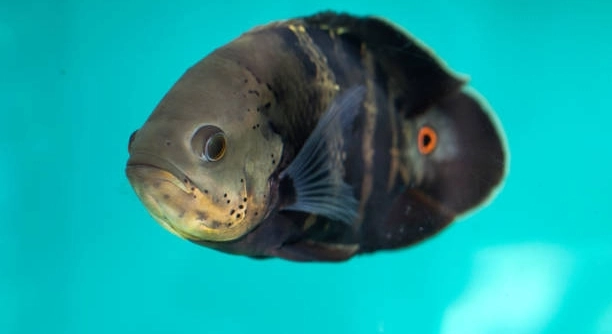
Oscar fish are fascinating creatures known for their intelligence and playful behavior. Many fish owners wonder how these aquatic pets interact with their environment, especially when they come across their own reflection in the tank.
Oscar fish can indeed react to their own reflections, often displaying curiosity or even aggression. Their reactions are a natural response to the image they perceive as another fish in their territory, which may prompt defensive behavior or exploration.
This interaction offers valuable insight into how Oscars perceive their surroundings and their instinctual responses. Understanding this behavior can help you create a more enriching environment for your fish.
How Oscar Fish See Their Reflection
Oscar fish are highly territorial and intelligent creatures, known for their dynamic personalities. When they see their reflection, they often perceive it as a rival fish invading their space. They might react by displaying defensive behaviors, like flaring their fins, swimming rapidly, or even attacking the reflective surface. This response is a part of their instinct to protect their territory and ensure their survival. In the wild, encountering another fish would be a serious matter, so Oscars treat their reflection with the same seriousness. Their keen eyesight helps them spot every detail, making the reflection seem like a real threat.
Their reaction is not necessarily negative. In some cases, Oscars might show curiosity by approaching the glass to inspect the “other fish.” While this behavior can seem playful or even funny, it’s a sign of how perceptive and aware Oscars are of their environment. Understanding this helps owners anticipate their Oscar’s actions, reducing stress by creating a peaceful habitat.
Oscar fish have been observed interacting with their reflections in various ways. The reactions can vary depending on the individual fish’s temperament. Some may show more aggression, while others seem to ignore it completely. It’s important to note that the size of the tank and the placement of the mirror or reflective surface can also influence these reactions. Smaller tanks or tanks with too many reflective surfaces might stress the Oscar out, leading to constant aggression. A spacious, well-decorated tank with minimal reflective surfaces can help your Oscar feel more comfortable and less likely to act out against its own image.
Managing Reflection Reactions in Your Oscar Fish
If your Oscar is constantly reacting to its reflection, there are a few simple changes you can make. Reducing the amount of reflective surfaces can minimize territorial behavior.
In some cases, the best solution is to rearrange the tank. Oscars enjoy having plenty of hiding spots and areas to explore. This can reduce the stress caused by constant encounters with their reflection. Consider adding decorations or plants to break up the line of sight. Also, adjusting the lighting can help reduce reflections caused by light hitting the glass at certain angles. If these steps don’t seem to help, it may be a sign that your Oscar requires more space to feel at ease. The more room they have, the less likely they are to be bothered by their reflection.
Impact of Stress from Reflections
Stress from constantly seeing their reflection can have significant effects on an Oscar fish. It might lead to erratic swimming, aggression, or even reduced appetite. These signs show that the fish is disturbed by its perceived rival and is on high alert, which isn’t ideal for its overall health.
If your Oscar feels threatened, it may begin to exhibit behaviors like rapid pacing or hiding more frequently. This can lead to health problems if the stress becomes chronic, such as a weakened immune system or lower resistance to diseases. Stress can also make Oscars more prone to injuries from their constant movements, especially if they are trying to attack their reflection.
In the wild, Oscar fish face real threats, but in captivity, the stress of seeing their reflection can be much more intense. The problem can also worsen if there are other fish in the tank, as the Oscar may mistake them for competitors, leading to more territorial aggression. It’s important to regularly observe your Oscar and adjust their environment if you notice signs of stress. This way, you can ensure they are living in a peaceful and healthy environment.
Dealing with Aggression Caused by Reflections
Aggression due to reflections is common, but it can be addressed. Removing or minimizing reflective surfaces in the tank is the first step. Sometimes, just a small change in tank decoration can make a big difference.
Rearranging the aquarium or adding plants and rocks can help break up the line of sight between your Oscar and the reflection. This simple adjustment helps reduce the chances of your fish constantly encountering its image. You can also consider placing a background on the tank to minimize visibility of the reflection from different angles. Changing the tank’s lighting can be effective, too—adjusting the light sources can reduce glare and reflections. Ensuring your Oscar has plenty of space and hiding spots is also important for creating a comfortable environment where aggression is less likely to occur.
How to Tell if Your Oscar Is Stressed by Its Reflection
Stress from reflections can manifest in several ways. If your Oscar fish seems overly active, pacing back and forth, or swimming in erratic patterns, it’s likely stressed. It may also refuse food or hide more often, signs that it is uncomfortable in its environment.
A stressed Oscar might show physical signs of distress, such as faded colors or injuries caused by aggressive behavior. If the fish constantly strikes at the glass or looks agitated near the reflection, it’s an indication of heightened stress. Additionally, if your Oscar’s immune system weakens, it may become more susceptible to illnesses, further complicating its condition.
Changing the Environment to Reduce Stress
To help your Oscar feel less stressed, focus on its environment. Adding plants, rocks, or decorations can provide hiding places and break up the view of the tank’s glass. Rearranging the setup can be an effective way to minimize constant exposure to its reflection.
The Importance of Tank Size
A larger tank is beneficial for Oscar fish, especially when dealing with reflection-induced stress. Having enough space helps reduce territorial behavior and provides more room for your fish to move without feeling cornered. It also minimizes the likelihood of frequent interactions with its reflection.
FAQ
Do Oscar fish recognize their own reflection?
Oscar fish do not have self-recognition like humans or some other animals. When they see their reflection, they typically treat it as another fish. They might display aggressive or territorial behavior because they view the reflection as an intruder, which leads to defensive actions. Although they don’t recognize themselves, their reaction can be quite intense.
How can I prevent my Oscar from reacting to its reflection?
To prevent your Oscar from reacting to its reflection, try reducing the visibility of reflective surfaces in the tank. You can rearrange decorations, add plants, or place a background behind the tank. Adjusting the lighting and reducing glare can also help minimize the reflection.
Will my Oscar always be aggressive towards its reflection?
Not every Oscar fish will react aggressively towards its reflection. Some may ignore it or simply show curiosity. However, most Oscars are territorial, so they might react more defensively when they see their image. The aggression level often depends on the individual fish’s personality and the tank environment.
Can a small tank cause stress from reflections?
Yes, a small tank can amplify stress caused by reflections. Oscars need space to swim and explore. A cramped environment increases the chances of your Oscar constantly encountering its reflection, which can lead to stress and aggression. A larger tank with more hiding spots can help reduce these issues.
Should I cover the tank glass to stop reflections?
Covering the glass with a material like tape or a plastic sheet can be a temporary solution, but it’s not the most effective way. Instead, focus on changing the tank’s layout or using a background to minimize reflections. Proper tank lighting and decor adjustments are more sustainable solutions.
Do Oscars get used to their reflections over time?
Some Oscar fish may become accustomed to their reflections over time, reducing their aggressive behavior. However, this doesn’t always happen. For some fish, the reaction persists, and they may continue to act defensively. The behavior is usually linked to the fish’s temperament and environmental factors.
What is the best tank size for an Oscar fish?
For a single Oscar, a tank should be at least 75 gallons. A larger tank provides the fish with ample space to swim and reduces stress caused by territorial behavior. A well-sized tank with appropriate decorations also gives your Oscar areas to hide, which can help it feel more secure.
Can I add other fish to a tank with an Oscar?
It’s possible to add other fish, but Oscars are known to be aggressive. If you want to keep other fish, ensure they are large enough to avoid being seen as prey and can handle the Oscar’s dominant nature. Species that prefer similar water conditions and aren’t overly aggressive can work, but be prepared to separate them if fights occur.
Is it normal for my Oscar to stop eating after seeing its reflection?
If your Oscar becomes stressed from seeing its reflection, it might lose its appetite. This is common when fish feel threatened or territorial. If the fish is consistently ignoring food, it may be a sign that it’s experiencing stress from its reflection. Try reducing the reflective surfaces or giving it a more peaceful environment.
How do I know if my Oscar is lonely or stressed?
Oscar fish are social and intelligent, and while they don’t require constant interaction, they can become lonely if kept alone in a small tank without enrichment. If your Oscar seems constantly agitated, hides often, or swims erratically, stress is likely the cause. However, loneliness can also show itself through signs like loss of appetite or lethargy.
Can Oscars get sick from too much reflection-related stress?
Yes, prolonged stress can weaken your Oscar’s immune system, making it more susceptible to illnesses. Stress caused by excessive reflection interaction might lead to the fish becoming more vulnerable to infections or diseases. It’s important to reduce stressors to keep your Oscar healthy and minimize the risk of illness.
Should I use a mirror to train my Oscar?
Using a mirror to “train” an Oscar is not recommended. While it may initially seem interesting, it can create unnecessary stress, especially if the Oscar perceives the reflection as another fish. The constant exposure could lead to territorial aggression, and prolonged stress can harm your fish in the long term.
How do I help my Oscar relax in its tank?
To help your Oscar feel relaxed, create a tank environment that mimics natural conditions. Add plenty of hiding places, such as rocks and plants, and ensure the water conditions are optimal. Reducing reflections and giving the Oscar room to move around will also help it feel less stressed.
Final Thoughts
Oscar fish are fascinating creatures with strong personalities and distinct behaviors. They can react strongly to their reflections, often seeing it as a rival or intruder in their territory. While this behavior is natural, it can sometimes cause stress, which might lead to health problems if not addressed. Understanding how Oscars interact with their environment, including their reflections, can help fish owners create a more comfortable and stable habitat. By paying attention to their tank setup and making simple changes, owners can reduce stress and promote a healthier, happier life for their fish.
One of the most important things to consider when caring for Oscar fish is their need for space. A larger tank provides more room for the fish to swim freely and reduces the chances of stress caused by reflections. Keeping the tank clean, adding plenty of hiding spots, and adjusting the lighting can also help make the environment more comfortable. It’s important to monitor your Oscar regularly, observing any signs of stress, such as erratic swimming or loss of appetite. By keeping track of these changes, you can quickly take action to minimize the effects of stress, including reducing reflections or rearranging the tank.
Ultimately, Oscars are intelligent and sensitive fish that require careful attention to their needs. They do not recognize their own reflection but still react to it strongly. With the right environment, however, they can thrive without constant stress from their image. By making small adjustments to the tank layout and minimizing reflections, you can help your Oscar feel more secure and reduce aggressive or anxious behavior. Understanding their behavior and ensuring they have a suitable space to live in will go a long way in keeping your Oscar fish happy and healthy.

Hello,
If you enjoy the content that we create, please consider saying a "Thank You!" by leaving a tip.
Every little bit helps us continue crafting quality advice that supports the health, happiness, and well-being of pets around the world, for pets of all shapes, sizes, and species.
We really appreciate the kindness and support that you show us!