
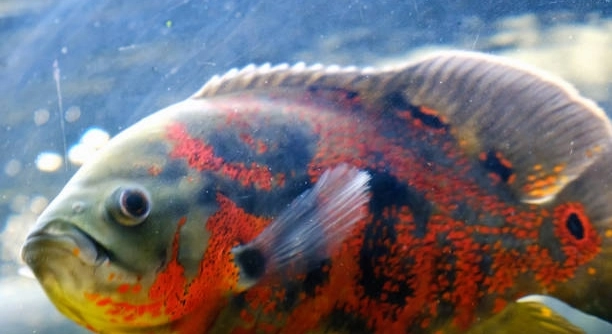
Have you ever noticed your Oscar fish acting excited before mealtime, almost like they know food is coming? Their behavior can seem surprisingly thoughtful for a freshwater pet. Some owners even say their fish respond to routines consistently.
Oscar fish can appear to predict feeding times due to their ability to recognize patterns and associate specific cues, such as light changes or human movement, with meals. This behavior is a learned response rather than true anticipation.
Understanding how these intelligent fish adapt to daily patterns can help you maintain a healthy routine. Their habits reveal more than just hunger—they reflect a connection between environment and instinct.
Recognizing Patterns in Oscar Fish Behavior
Oscar fish are smart and can quickly learn routines, especially those related to feeding. If you feed them at the same time each day, they may start showing signs of anticipation. You might notice them swimming near the top of the tank or pacing along the glass as the time approaches. This isn’t just random movement—it’s a learned behavior tied to repetition. They associate cues like footsteps, the sound of the lid opening, or even light patterns with being fed. These reactions are not based on an internal clock, but rather memory and environmental signals. Oscar fish are observant, and their behavior reflects how well they respond to consistent patterns. The more predictable your routine, the more predictable their reactions become. Over time, this creates the impression that they “know” when feeding time is coming, but it’s really their ability to match cues with expected outcomes.
Some fish might show this behavior more clearly than others. It depends on how consistent you are with feeding routines.
Oscars respond to daily habits because they are able to remember patterns. They’re not telling time but reacting to learned environmental triggers. Their memory helps them connect familiar events with food, creating reliable responses.
Environmental Cues and Learning
Oscar fish rely on repetition and cues in their surroundings to shape their behavior.
Feeding them at different times every day can confuse their responses, but a steady schedule helps reinforce learning. If you approach the tank wearing the same clothing or walk the same path before feeding, these subtle cues become linked to food in the fish’s mind. They may not understand the reason behind it, but they react based on what they have learned. This is why consistent feeding routines result in consistent behavior. Oscar fish can even begin responding to motion or light changes around the tank. A sudden shadow or the sound of a door opening might trigger their excitement, especially if it’s close to their usual feeding time. Over time, these cues become part of their learned response system. It’s a basic form of conditioning, similar to what’s seen in other pets like dogs or cats. Their behavior might seem advanced, but it’s really the result of repeated exposure and strong memory.
Conditioning vs. Intuition
Oscar fish don’t rely on intuition to know when it’s time to eat. Their responses are shaped by repeated cues in their environment. Over time, they learn what actions or changes mean food is coming and react accordingly.
It may seem like your Oscar fish has a natural instinct for mealtimes, but what’s really happening is conditioning. They’re not sensing hunger through time alone—they’re reacting to you. Repeated exposure to consistent routines leads them to expect food when certain things happen, like you standing near the tank or opening the lid. These associations are formed through repetition, not instinct. The more consistent the cues, the stronger the learned response becomes. While it feels personal, it’s more about memory and routine than any inner clock. Oscar fish do not possess the complex reasoning to predict future events. Their timing is a learned behavior, rooted in simple patterns and routine responses.
Once these patterns are broken, Oscar fish may act confused or restless. If feeding times change often, they might stop reacting as strongly. This is because the cues they used to rely on no longer match up. Without repetition, the memory connection weakens. They need that daily consistency to keep responding as expected. When routines return, their behavior often resumes.
When Feeding Habits Change
Changes in your schedule can affect how your Oscar fish reacts before meals. If you delay feeding or skip certain cues, they may seem less responsive or even display unusual behavior near the tank.
Oscar fish often rely heavily on learned patterns, so sudden shifts can cause noticeable changes. They might stop approaching the surface or may pace more erratically, unsure of what to expect. If you’re late feeding them by an hour or two, it’s not uncommon for their usual signs of anticipation to fade. This doesn’t mean they’ve forgotten—it’s more about broken expectations. They’re reacting to the lack of familiar signals. Over time, they can relearn a new schedule, but consistency is key. Even changes in lighting or foot traffic can disrupt what they associate with feeding. Returning to predictable patterns will help restore their behavior, showing just how responsive they are to daily repetition and environmental signals.
Signs Your Oscar Fish Knows It’s Feeding Time
Oscar fish may start hovering near the surface or following your movements closely. They might also perform quick, excited swimming patterns when they sense food is near. These signs are clear reactions to repeated cues.
Some Oscars will even splash water or lightly bump the tank walls when they expect to be fed. These behaviors are learned and tied to specific routines. If feeding happens around the same time every day, the signs become even more noticeable and predictable.
How to Build a Strong Feeding Routine
Building a reliable feeding routine starts with consistency. Feed your Oscar fish at the same time each day and use similar movements when approaching the tank. Simple habits like opening the tank lid the same way or standing in the same spot help reinforce their learning. Over time, your fish will recognize these patterns and react predictably. Consistent water conditions, tank lighting, and minimal disruption to their environment can also strengthen this association. Avoid skipping feedings or changing routines too often, as it can confuse your fish and weaken the pattern they have learned. Maintaining a regular schedule builds trust and encourages healthier eating behaviors.
Why Understanding Their Behavior Matters
Observing your Oscar fish’s feeding behavior helps you monitor their health and stress levels. Consistent patterns show that your fish feels secure, while sudden changes can point to potential problems in their environment or daily routine.
FAQ
Do Oscar fish really know when it’s feeding time?
Oscar fish don’t have a natural sense of time like humans, but they can learn to associate specific cues with feeding times. They rely on patterns and repetition. If you feed them at the same time each day, they start recognizing triggers like your movements or the sound of the lid opening. These cues make it seem like they “know” when to expect food, but it’s really just learned behavior from daily consistency.
Can I train my Oscar fish to wait for food?
Yes, you can train your Oscar fish to wait for food, but it requires patience and consistency. Start by feeding them at the same time and in the same manner each day. After a while, your fish will begin to recognize the feeding routine and start waiting near the surface or performing specific behaviors when they anticipate food. Avoid changing the routine too much, as this can confuse them. The key is repetition and creating strong, recognizable cues.
What should I do if my Oscar fish stops reacting to feeding cues?
If your Oscar fish stops reacting to feeding cues, it could be a sign that the routine has been disrupted or the fish is stressed. Try reintroducing a consistent schedule and paying attention to any changes in the tank environment. Factors like water quality, temperature, or tank mates can cause stress and alter behavior. It’s important to assess the entire environment and make sure it’s stable. If your fish is still unresponsive, consider consulting with a veterinarian to rule out health issues.
Can Oscar fish remember feeding times for long periods?
Oscar fish have a strong memory, especially when it comes to learned behaviors like feeding times. If you stop feeding them at the same time for a while, they might forget the routine or show less excitement when food is introduced. However, once you re-establish the feeding schedule, they can quickly relearn the routine, as long as the cues remain the same. They may take a few days to adjust back to their old patterns, but their memory of the routine is typically strong.
How can I tell if my Oscar fish is hungry?
Hungry Oscar fish often become more active and might swim near the top of the tank, hovering around the area where they are typically fed. They may also start following you around, especially when they sense you approaching the tank. Some Oscars will become more aggressive or territorial, as hunger can make them more focused on finding food. If they don’t exhibit these signs after a consistent routine, it could indicate a health issue or stress that needs to be addressed.
Why do Oscar fish sometimes act differently around feeding time?
Oscar fish are very responsive to their environment. If their behavior changes around feeding time, it could be due to several factors, such as hunger, excitement, or a change in their environment. These fish are also known to show aggression or territorial behaviors, which might be more noticeable when food is introduced. If you see unusual behaviors, like excessive aggression, it might be worth evaluating the tank’s setup or the fish’s health. Minor changes like new tank mates or water quality issues can also lead to different reactions around feeding time.
Do Oscars remember me?
Oscar fish are capable of recognizing their owners, especially if they are regularly fed or interacted with. They may begin to associate your presence with food, and over time, they will react positively when they see you. This doesn’t mean they “know” you in the same way a pet like a dog would, but they can form associations and anticipate what’s coming when they see you. If you consistently approach the tank in a certain manner, your Oscar will likely recognize you and expect food.
What happens if I don’t feed my Oscar fish on time?
If you miss a feeding time, your Oscar fish might show signs of confusion, like swimming erratically or seeming less active. They can become agitated if the routine is broken. However, Oscars can adapt if the feeding schedule changes occasionally. If you consistently miss feeding times or don’t stick to a regular schedule, they may stop reacting predictably, and their overall behavior may shift. It’s important to establish a stable feeding time to avoid stressing your fish.
Can my Oscar fish tell if the water is changing or if the tank is dirty?
Oscar fish are very sensitive to changes in their environment, including water quality. They can tell if the water conditions are not ideal, and this can affect their behavior. Dirty water, improper temperature, or fluctuating pH levels can cause stress, making them more likely to display erratic behaviors. Maintaining clean and stable water is essential for your fish’s health and their ability to stay calm, especially during feeding time. If the water conditions are poor, it can also disrupt their feeding behavior, as they may not feel comfortable or safe.
Why do my Oscar fish sometimes ignore food?
There are several reasons why Oscar fish might ignore food. If they’re not hungry, it could be due to overfeeding or stress from poor water conditions. Illness or changes in their environment can also cause them to lose interest in food. If your Oscar fish is consistently refusing food, check for signs of disease or environmental stress. If everything seems normal, it might be worth adjusting their feeding schedule to see if they become more interested at different times. Regularly offering a variety of food can also keep them engaged.
How do Oscar fish react to new tank mates during feeding?
Oscar fish are known to be territorial, and introducing new tank mates can cause them to act more aggressively, especially during feeding time. They may see other fish as competition for food and can become defensive or dominant. It’s important to observe their behavior closely after adding new tank mates to ensure that everyone is getting along. If aggression continues, you may need to consider separating the fish or adjusting the tank’s environment. Always ensure that new additions are compatible with Oscars to reduce stress.
Final Thoughts
Oscar fish are intelligent and responsive creatures. They can learn to associate certain cues with feeding times, making their behavior more predictable. By establishing a consistent routine, you can create an environment where your Oscar anticipates meals and shows signs of excitement when it’s time to eat. This routine helps reinforce their learning and contributes to a stable, stress-free environment.
However, maintaining a feeding schedule isn’t just about routine—it’s also about understanding your fish’s behavior. Oscars are sensitive to changes in their surroundings, and their reactions to feeding times can be influenced by factors like water quality, temperature, and tank mates. If your Oscar isn’t responding to feeding cues, it may be worth evaluating the tank conditions or looking for signs of illness or stress. A well-balanced environment can keep your Oscar healthy and happy, ensuring that they remain active and engaged during feeding times.
In conclusion, building a feeding routine for your Oscar fish can enhance their overall well-being and improve your relationship with them. With time and consistency, they will learn to expect meals and may even show excitement when they see you approaching the tank. Just remember to monitor their behavior, pay attention to any changes, and provide a stable, clean environment. By doing so, you’ll help your Oscar thrive and maintain a positive connection with your fish.

Hello,
If you enjoy the content that we create, please consider saying a "Thank You!" by leaving a tip.
Every little bit helps us continue crafting quality advice that supports the health, happiness, and well-being of pets around the world, for pets of all shapes, sizes, and species.
We really appreciate the kindness and support that you show us!