
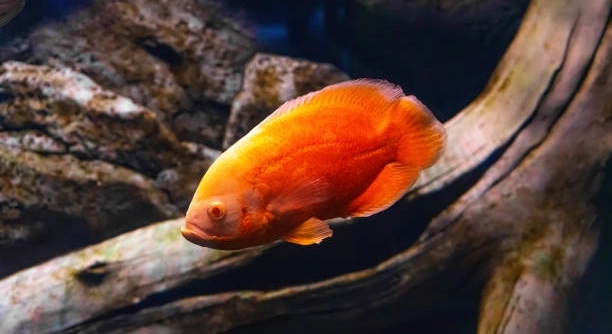
Oscar fish are known for their intelligence and fascinating behavior, but have you ever wondered if they can predict their feeding times? These fish are not only beautiful but also exhibit unique patterns that may make us question their instincts.
Research suggests that Oscar fish can learn to anticipate feeding times based on routines and environmental cues. Over time, they may associate certain activities with food, which could lead them to act as if they know when it’s time to eat.
Understanding how Oscar fish behave around feeding times can help you create a better feeding schedule for them. Their ability to anticipate meals may offer insight into their overall care and well-being.
How Oscar Fish Learn Feeding Times
Oscar fish are naturally curious and intelligent. They often start recognizing patterns around them, especially when it comes to feeding times. If you feed them at the same time every day, they begin to associate your actions with their meals. At first, they might swim around aimlessly, but soon they’ll notice when you approach the tank or when certain lights turn on. Over time, this routine becomes a signal for them, and they may swim to the surface or show other signs of excitement just before feeding time. This can seem like they are predicting when food will come, but it’s really just their learned response to specific cues.
Oscar fish can learn these cues quickly, as they are often active and engaged with their environment. Their ability to recognize these patterns is not limited to just feeding time. They can also learn to expect certain actions, such as when you clean their tank or interact with their toys. However, unlike pets like dogs, they don’t have the same emotional attachment to the routine. They simply observe and respond to what they see, using memory to predict what’s coming next.
The most interesting thing about Oscar fish is that this behavior is not limited to just feeding. Some owners report that their fish get excited for other daily events, like when the tank lights turn on. Even slight changes in routine can spark noticeable behavior from them. Understanding this will help in managing their needs and improving their overall care. With time, they’ll adapt to your schedule, making feeding more efficient and enjoyable.
The Science Behind Their Behavior
Oscar fish are known for their ability to remember patterns. Research has shown that fish, including Oscars, can learn and adapt based on experiences. This is similar to how animals like dogs or birds learn behaviors. They are not predicting in the same way we understand it, but they are recognizing consistent signals.
When it comes to predicting feeding times, this learning process involves environmental stimuli, like light, sounds, or your actions. If you consistently feed your Oscar at the same time each day, it will start associating those specific cues with food. These memories are strong, and they rely on repetition to reinforce the association. Over time, you’ll see the behavior become more predictable as your fish waits for its meal.
Do Oscar Fish Recognize Their Owners?
Oscar fish are known for being quite interactive. They can recognize their owners after repeated interactions. Over time, they will come to associate your presence with feeding times, often swimming up to greet you when they see you approaching the tank.
Fish are not typically thought of as creatures that form bonds, but Oscar fish break that mold. They are very responsive to human presence, especially when it comes to their feeding routine. They can differentiate between their owners and strangers, showing excitement when they see someone they recognize. This behavior is linked to their intelligence and ability to remember patterns and faces.
Interestingly, Oscar fish’s recognition isn’t limited to feeding time. They may start to show a preference for certain people, swimming toward them or even following their movements around the tank. This interaction is rooted in their ability to learn and remember who feeds them and takes care of them.
Can Feeding Routine Affect Their Health?
Oscar fish thrive on routine. Regular feeding times can help them feel more secure, reducing stress. A consistent feeding schedule keeps them on track, preventing overfeeding or underfeeding, which can lead to health issues.
Establishing a routine benefits both the fish and the owner. Oscars will come to expect food at specific times, making it easier to manage their diet. It also creates a stable environment, where the fish can feel safe and comfortable, knowing what to expect. This consistency helps reduce unnecessary stress, a common factor that negatively impacts fish health.
A predictable feeding routine can also improve their digestion. By feeding them at the same time each day, you allow their bodies to adjust to a regular eating cycle. This can contribute to a more balanced diet and can help prevent common issues like bloating or obesity, which can occur if feeding is erratic.
Do Oscar Fish Get Hungry at Specific Times?
Oscar fish seem to get hungry around their regular feeding times. They are highly responsive to routines, and when you stick to a schedule, they will start to expect food at certain times. Their behavior will reflect this anticipation, as they’ll swim eagerly when it’s almost time.
These fish have a remarkable ability to learn and adapt. Once they’ve learned when feeding time is, they will begin to exhibit signs of hunger at those specific times. This behavior is a result of their intelligence, as they associate your actions with food. Over time, it becomes a predictable cycle for them.
Effects of Overfeeding on Oscar Fish
Overfeeding an Oscar fish can lead to several health issues, such as obesity and poor water quality. If you give them too much food, it can cause digestive problems and create an imbalance in the tank. Fish waste increases, which affects water quality and can stress the fish.
The best way to avoid overfeeding is to establish a routine that is consistent but not excessive. Oscars don’t need to eat large amounts of food every day. A balanced diet, with the right amount of feeding, keeps them healthy and ensures that their environment remains clean and stable.
Oscar Fish and Their Feeding Preferences
Oscar fish have their own preferences when it comes to food. While they are not picky, they enjoy a variety of meats and proteins, such as worms, insects, or small fish. It’s important to provide them with a balanced diet to meet their nutritional needs.
FAQ
Can Oscar fish recognize when it’s time to eat?
Yes, Oscar fish can learn to recognize feeding times. Through repeated exposure to a consistent routine, they begin to associate certain actions with food, such as when you approach the tank or when the lights turn on. They will then show excitement and swim toward the surface, eagerly anticipating their meal.
How often should I feed my Oscar fish?
Oscar fish should be fed once or twice a day, depending on their age and size. Young Oscars may require more frequent feedings, while adults can typically go with one meal a day. It’s important to keep the portions appropriate for their size to avoid overfeeding and to maintain water quality.
What happens if I overfeed my Oscar fish?
Overfeeding can lead to a variety of health issues. Oscars may become overweight, which can affect their overall health, including their swimming ability and digestion. Additionally, excess food will lead to more waste in the tank, causing poor water quality, which can stress the fish and promote the growth of harmful bacteria.
How do I know if I’m overfeeding my Oscar fish?
If your Oscar fish are frequently leaving food behind, you might be giving them too much. Overfed Oscars will also become lethargic and less active. Additionally, poor water quality can often be a sign that you’re feeding them too much, as uneaten food decomposes and affects the tank environment.
Do Oscar fish need a varied diet?
Yes, providing a varied diet is important for Oscar fish. While they may accept a range of foods, it’s best to give them a mix of protein-rich foods such as worms, shrimp, or pellets, along with some occasional vegetables. A varied diet ensures they receive the right nutrients to stay healthy.
How long can Oscar fish go without food?
Oscar fish can typically survive without food for about a week or two, though it’s not ideal. If you’re going on vacation or won’t be around to feed them for a while, consider using an automatic fish feeder or asking someone to feed them for you. Extended periods without food can weaken your fish’s immune system.
What are some signs of an unhealthy Oscar fish?
Signs of an unhealthy Oscar fish include lethargy, loss of appetite, discoloration, abnormal swimming patterns, or bloating. If you notice any of these signs, it’s essential to check their water conditions and diet. Poor water quality is often a major cause of health issues in fish.
How can I get my Oscar fish to stop begging for food?
Oscar fish are known for their begging behavior. If they seem overly eager for food, try to keep a consistent feeding schedule and avoid feeding them outside of their normal routine. Overfeeding them out of guilt can reinforce this behavior, so it’s best to stick to a set routine.
Why does my Oscar fish act like it’s hungry all the time?
Oscar fish may act hungry all the time because they are opportunistic feeders by nature. In the wild, they would take advantage of any available food. This behavior is often observed in captive Oscars, especially if they are accustomed to being fed frequently. Maintaining a regular feeding schedule can help manage this behavior.
Can I feed my Oscar fish live food?
Yes, Oscar fish can be fed live food, such as feeder fish, worms, or insects. Live food can be a great way to stimulate their natural hunting instincts. However, be careful when using feeder fish, as they may carry diseases or parasites that can harm your Oscar. It’s also important to ensure live food is appropriately sized for your fish.
How do I prevent my Oscar fish from becoming aggressive at feeding time?
Oscar fish can become territorial and aggressive, especially when they are hungry. To prevent this, avoid overfeeding them, as hunger can heighten aggression. Providing them with a large enough tank and sufficient hiding spots can also reduce territorial disputes. Feeding them at the same time each day can help maintain calm behavior.
Is it normal for Oscar fish to stop eating sometimes?
Oscar fish, like many animals, can go off their food occasionally due to stress, water quality issues, or health problems. If your Oscar isn’t eating for an extended period, check the water parameters, ensure they are not stressed, and observe any potential signs of illness. If the problem persists, consult with a veterinarian.
How do I know if I’m feeding my Oscar fish the right food?
To ensure you’re feeding your Oscar fish the right food, check that it’s formulated for carnivores. Oscars require a diet rich in protein, such as high-quality pellets, worms, shrimp, and small fish. It’s also beneficial to provide some variety to prevent nutritional deficiencies. Always monitor your fish’s health and adjust the diet as needed.
What should I do if my Oscar fish refuses to eat?
If your Oscar refuses to eat, start by checking water conditions, as poor water quality is a common cause of appetite loss. Ensure that the temperature, pH, and ammonia levels are appropriate for your fish. If the issue continues, it may be due to stress or illness, and further investigation into their health is necessary.
Can I feed my Oscar fish only pellets?
Pellets can make up the majority of your Oscar’s diet, but they should not be the only food they get. Oscars benefit from a varied diet that includes both plant and animal-based foods. You can mix in some frozen or live foods to provide better nutrition and enrich their diet.
Final Thoughts
Oscar fish are intelligent creatures that quickly adapt to feeding routines. Over time, they learn to associate certain actions with food, making it seem like they can predict feeding times. Their ability to recognize patterns and respond to daily cues helps them anticipate meals. This behavior makes it easier for owners to establish a consistent schedule, which benefits both the fish and their environment. A regular routine promotes better health and less stress for the Oscar fish, as they feel secure in knowing when their meals are coming.
However, it’s important to remember that while Oscar fish can learn these patterns, they don’t have the same level of understanding or emotional attachment that some other pets might have. They are simply responding to repeated behaviors and environmental cues. By feeding them at the same time each day and maintaining a consistent environment, you help them feel safe and comfortable. This routine also helps prevent overfeeding, as Oscars can become overly eager at feeding times, making it easy to give them too much food.
In the end, the key to caring for Oscar fish is balance. Consistency in feeding, combined with a varied diet, ensures that they stay healthy and happy. While they may not truly “predict” feeding times in the way we think of it, they can certainly learn to expect food when you approach their tank. Establishing a healthy, predictable routine will not only make feeding time more enjoyable for both you and your Oscar but also improve their overall well-being.

Hello,
If you enjoy the content that we create, please consider saying a "Thank You!" by leaving a tip.
Every little bit helps us continue crafting quality advice that supports the health, happiness, and well-being of pets around the world, for pets of all shapes, sizes, and species.
We really appreciate the kindness and support that you show us!