
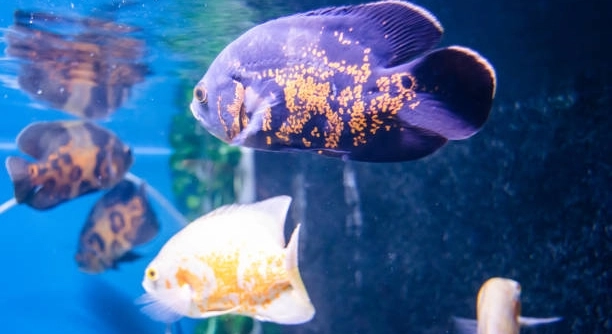
Oscar fish are known for their impressive size and personality. As fascinating creatures, many owners wonder about the social needs of these unique fish. Do they require companionship, or can they live happily alone in an aquarium?
Oscar fish are solitary creatures and can survive without companions. However, providing them with tank mates can reduce stress and encourage natural behavior. They are territorial but can adapt to living alone if given proper care and attention.
Learning more about their habits and needs will help you ensure your Oscar fish lives a happy and healthy life. Understanding these factors is essential for creating a suitable environment for your pet.
Social Nature of Oscar Fish
Oscar fish are naturally solitary, but they do show signs of affection and curiosity toward their environment. In the wild, they tend to live alone or in pairs, and their territorial instincts are strong. This behavior continues in captivity, where they may not seek out companionship unless they’re provided with tank mates that fit their temperament.
Even though Oscars are capable of living without others, they can benefit from the company of other fish. Tank mates can encourage some activity and reduce signs of stress, but not all fish are suitable. Oscars can be aggressive, especially when they feel their space is threatened.
Choosing the right tank mates is important to maintain a peaceful environment. Fish like large cichlids or similarly-sized species with calm personalities may be compatible. Avoid smaller fish, as Oscars might see them as prey. The tank’s layout should also provide enough hiding spots, giving everyone space and reducing potential conflicts. A careful balance of fish and tank design is key to an Oscar’s well-being.
How Tank Size Affects Social Behavior
Tank size plays a significant role in how your Oscar fish interacts with other fish.
A larger tank offers Oscars more space to roam and claim territory. The more room they have, the less likely they are to become overly territorial or stressed. However, a smaller tank can lead to aggression and stress, as Oscars might feel crowded. Larger tanks also allow for better water quality management, which is essential for their health. The layout of the tank can influence behavior as well; plenty of hiding spaces and separate territories help reduce tension. With the right tank setup, your Oscar may feel more comfortable sharing space with tank mates.
Oscar Fish Behavior with Tank Mates
Oscar fish are territorial and can become aggressive toward other fish. While they are capable of living alone, the introduction of compatible tank mates can offer a change of pace and a more natural environment. However, choosing the right companions is crucial for a peaceful setup.
Oscar fish are known for their intense personalities. They tend to dominate their space and may chase or nip at other fish if they feel threatened. Large fish that can hold their ground, like other cichlids, are often the best companions. Smaller or slower fish will likely be seen as prey. Some fish may be able to coexist with Oscars if they have enough room to establish their own territory. When selecting tank mates, it’s important to consider their size, behavior, and ability to withstand the Oscar’s occasional outbursts.
Before introducing tank mates, ensure your Oscar has plenty of space to create a separate territory. The layout of the tank should allow other fish to hide or escape from the Oscar if needed. Having a well-maintained tank with good filtration also ensures all the fish have a healthier environment. Oscars need clean water and stable conditions, so any added fish should be resilient enough to thrive under these conditions.
Signs of Stress in Oscar Fish
Stress is common in Oscar fish, especially when they are not paired with compatible tank mates.
Signs of stress include erratic swimming, loss of appetite, and changes in coloration. Oscars can also exhibit defensive behaviors, like darting around or hiding in corners. Stress can also weaken their immune system, making them more vulnerable to illness. If Oscars are constantly stressed due to a lack of space or unsuitable tank mates, they may become more aggressive. Keeping an eye on these signs can help you make adjustments before the situation worsens. Offering a proper environment can help reduce these symptoms significantly, allowing your Oscar to feel secure.
Oscar Fish Diet and Its Impact on Behavior
Oscar fish have hearty appetites and are known to eat a wide variety of foods. Their diet can affect their mood and overall behavior. A poor or unbalanced diet might lead to aggression or other behavioral changes.
Oscars are omnivores, but they thrive on protein-rich foods like live or frozen fish, worms, and insects. A varied diet helps keep them healthy and active. If Oscars are underfed or fed low-quality food, they might become stressed, leading to changes in behavior. Their aggression can be linked to frustration from hunger or inadequate nutrition.
To maintain a balanced diet, provide a mix of high-quality pellets, live foods, and occasional vegetables. A proper diet ensures that Oscars have the energy they need to be active without becoming overly aggressive or lethargic. Keeping their tank clean and regularly feeding them will help improve their mood and reduce stress-related behaviors.
The Importance of Tank Setup
The right tank setup can make a big difference in your Oscar’s behavior.
A large tank with proper filtration, space for swimming, and hiding spots is essential for an Oscar’s well-being. Oscars need room to swim freely and establish their territory. They prefer tanks with décor like rocks or plants that provide places to hide or explore. A well-maintained tank helps reduce stress, encourages natural behavior, and keeps your Oscar healthy. The water temperature and quality must be kept stable to ensure that Oscars thrive without becoming aggressive or stressed.
Tank Temperature and Water Quality
Water temperature and quality are essential for an Oscar’s health and behavior.
Maintaining a consistent water temperature between 74°F to 81°F is ideal for Oscars. Fluctuating temperatures can cause stress and illness. Proper filtration and regular water changes are crucial to remove toxins and keep the environment clean. Poor water quality can lead to increased aggression and health problems. Keeping a stable environment with clean, warm water promotes a healthier, happier Oscar.
FAQ
Can Oscar fish live with other fish?
Yes, Oscar fish can live with other fish, but it’s important to choose the right tank mates. Oscars are territorial and sometimes aggressive, so they may not get along with smaller or more peaceful fish. Larger, more robust fish like other cichlids can be good companions, as long as they are not perceived as threats. Always ensure that the tank has enough space for everyone to establish their territory, and avoid overcrowding. Even with tank mates, Oscars may display aggressive behavior, so careful monitoring is needed.
How do I know if my Oscar fish is stressed?
Stress in Oscars can show in various ways. You might notice your Oscar hiding more often, not eating, or swimming erratically. They may also display changes in coloration, becoming darker or duller. Stress can also cause them to be more aggressive than usual, sometimes attacking tank mates. If your Oscar shows signs of stress, it’s crucial to check the water quality, temperature, and tank setup to ensure they are optimal. Reducing stress can involve creating more hiding spots or removing any incompatible tank mates.
What size tank do Oscars need?
Oscar fish require a large tank, ideally at least 55 gallons for one fish. This provides enough room for them to swim freely and establish their territory. Larger tanks, like 75 gallons or more, are even better, especially if you plan on having tank mates. Oscars can grow quite large, reaching up to 14-16 inches, and they need space to thrive. A larger tank also helps maintain water quality by spreading out the waste produced by such a big fish.
Do Oscar fish need a filter?
Yes, Oscar fish need a filter, and a good one at that. Oscars produce a lot of waste, so proper filtration is necessary to keep the water clean and maintain a healthy environment. Without a filter, the water quality can deteriorate quickly, which can lead to stress and illness for your Oscar. Choose a filter that is suitable for the size of your tank and capable of handling the high bioload that Oscars generate.
How often should I feed my Oscar fish?
Oscar fish should be fed 2-3 times a day, depending on their age and size. Younger Oscars require more frequent feeding, while adults can be fed once or twice daily. It’s important not to overfeed, as this can lead to water quality issues and obesity. Offering a balanced diet with a mix of pellets, live food, and occasional vegetables will keep them healthy. Make sure to remove any uneaten food after a few minutes to avoid fouling the water.
Can Oscars eat live food?
Yes, Oscar fish can eat live food, and many owners choose to feed them live worms, fish, or insects. Live food can stimulate natural hunting behavior and provide a nutritional boost. However, it’s important to ensure that the live food is safe and free from parasites or diseases that could harm your Oscar. Always source live food from reputable suppliers to reduce the risk of contamination.
What is the lifespan of an Oscar fish?
Oscar fish can live for 10 to 15 years, sometimes even longer if properly cared for. Their lifespan depends on several factors, including water quality, diet, tank size, and the overall care they receive. Keeping the water clean, maintaining stable conditions, and feeding them a balanced diet will help your Oscar live a long and healthy life.
Why is my Oscar fish swimming in circles?
If your Oscar fish is swimming in circles, it could be a sign of stress, illness, or poor water quality. Stress from overcrowding or aggression from tank mates can cause this behavior. It could also indicate a water condition problem, such as high ammonia or low oxygen levels. Ensure the tank is properly filtered, and the water parameters are within the safe range. If the behavior persists, consider consulting a vet or fish specialist.
Can Oscar fish live with other Oscars?
Yes, Oscar fish can live with other Oscars, but it can be tricky. Oscars are territorial and may fight with each other, especially if they are not given enough space. Pairing two Oscars together can work, but it’s often better to have one Oscar per tank, particularly if the tank is smaller. If you want to keep multiple Oscars, a larger tank (100 gallons or more) is recommended to allow each fish to establish its territory and reduce conflicts.
How do I keep my Oscar fish happy?
To keep your Oscar fish happy, ensure they have a clean, spacious tank with proper filtration. Provide a varied diet that includes pellets, live food, and occasional veggies. Avoid overcrowding, and be mindful of the types of tank mates you choose. Offering hiding spots and decorations can help reduce stress and make your Oscar feel secure. Regular water changes and maintaining a stable environment will keep your Oscar in good health and help them thrive.
Final Thoughts
Oscar fish are fascinating creatures with distinct personalities. While they can live alone and be content, they do benefit from having compatible tank mates. Their territorial nature means that choosing the right companions is crucial. Oscars can be aggressive toward smaller fish, so it’s important to select species that can hold their ground. However, they can also coexist with other large fish that don’t pose a threat to them. The key to keeping your Oscar happy and healthy is making sure they have enough space to roam and establish their own territory. If you provide a proper environment and keep their tank clean, your Oscar will feel comfortable in their home, whether they are alone or with tank mates.
The size of the tank and water quality are important factors to consider when keeping an Oscar fish. A large tank, ideally 55 gallons or more, allows your Oscar to swim freely and reduces stress. Smaller tanks can lead to overcrowding and poor water quality, which can affect your fish’s health and behavior. Proper filtration is also a must, as Oscars produce a lot of waste, and good filtration helps maintain the water quality. Ensuring that the water temperature and pH levels are stable is essential for the health of your Oscar. A well-maintained tank reduces the chances of stress and illness, which helps your Oscar live a longer, happier life.
Ultimately, whether your Oscar lives alone or with companions, it is important to be attentive to their needs. Stress, poor diet, and an unsuitable environment can negatively affect their health and behavior. Monitoring their condition and making adjustments as needed will help your Oscar fish thrive. By providing the right conditions, you can ensure that your Oscar remains a vibrant and active part of your aquarium for years to come. Remember, keeping any fish happy and healthy requires time, effort, and attention, but the reward is a well-cared-for pet that brings joy and beauty to your home.

Hello,
If you enjoy the content that we create, please consider saying a "Thank You!" by leaving a tip.
Every little bit helps us continue crafting quality advice that supports the health, happiness, and well-being of pets around the world, for pets of all shapes, sizes, and species.
We really appreciate the kindness and support that you show us!