
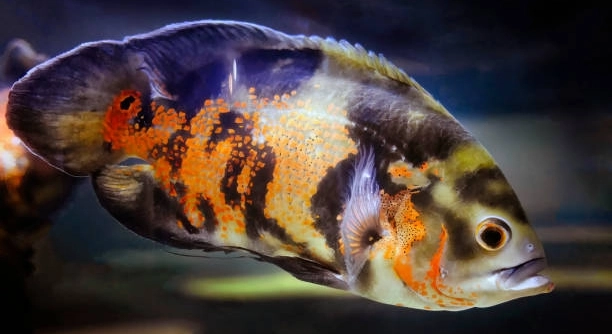
Oscar fish are known for their vibrant colors and large size, making them popular choices for aquarium owners. If you’re considering adding an Oscar fish to your tank, you might wonder if they thrive better with companionship.
Oscar fish can live longer with companionship, but it depends on various factors, including tank size and the type of other fish. They are territorial, so choosing compatible tank mates and ensuring enough space is crucial for their well-being.
Understanding the dynamics of Oscar fish companionship is important for their health. Proper care and tank setup can make a big difference in their lifespan and happiness.
Why Oscar Fish Need Companionship
Oscar fish are known to be aggressive and territorial, especially when they feel crowded or threatened. However, they are also social creatures that can form bonds with other fish under the right conditions. In the wild, they often live in groups, which means that, in an aquarium, companionship can be beneficial for their overall health and well-being. Proper tank setup and choosing compatible fish are important factors to consider if you want to provide a social environment for your Oscars.
While Oscar fish can thrive alone, they may exhibit less stress and aggression when housed with other suitable species. Providing the right environment, such as enough space and hiding spots, helps them feel safe and reduces fighting.
When selecting tank mates, you must keep in mind their temperament and size. Avoid small fish that can be seen as food or overly aggressive fish that may stress the Oscars out. Suitable companions like large, calm species can help your Oscars thrive and live a longer, healthier life.
Choosing the Right Tankmates
Finding the right companions for your Oscar fish is not always easy. The right tankmates will not only keep them comfortable but also reduce stress and aggression.
Tankmates should be large enough to avoid being seen as prey by the Oscar fish. Species like large catfish or other large cichlids are often good options, as they share similar temperament and size. Always monitor the tank to ensure there is no aggression between species. If fights break out, it may be best to separate them.
It’s also important to maintain a balanced aquarium with proper filtration, since the combination of several large fish can affect the water quality. Oscars are messy eaters, so keeping the water clean becomes even more crucial when there are other fish in the tank. By maintaining the right environment, you can ensure a peaceful coexistence and a healthier aquarium ecosystem for everyone.
The Benefits of Having Companions for Oscar Fish
Having companions can help reduce the stress Oscars might face in a solo tank. Their social nature means they enjoy interaction with other fish, which can keep them more active and less bored. When Oscars have company, they tend to be less aggressive toward their environment, which can also promote healthier behavior.
A well-established social tank can improve the Oscar’s behavior, reducing the risk of them becoming overly territorial or hostile. Oscars often show aggression due to stress, but companionship from the right fish can keep them more at ease. With the right tankmates, Oscars become more relaxed and willing to share space.
Healthy interaction with tankmates can also provide natural stimulation. Instead of focusing their energy on fighting, Oscars can channel it into exploring their environment or following the movement of other fish. This kind of mental stimulation can help prevent the boredom that sometimes leads to destructive behavior.
Tank Size Considerations
The size of your tank plays a huge role in keeping Oscar fish with companions. Oscars are large fish, so they need enough space to feel secure, especially when they share the tank with others.
A minimum of 75 gallons is recommended for a single Oscar fish. If you add tankmates, this size should increase to at least 100 gallons. The extra space ensures that each fish has its own territory to reduce fighting. A larger tank also allows for more hiding spots and escape routes for timid fish.
Companion fish should also be able to move freely without feeling trapped or crowded. When tank size is appropriate, the Oscars and their companions can live in harmony without stress from overcrowding. Larger tanks promote a balanced ecosystem and help prevent water quality issues from arising, ensuring the overall health of all the fish.
Companionship for Oscar Fish and Their Diet
Companionship can have a positive impact on an Oscar’s feeding habits. Oscars that feel less stressed tend to eat more regularly and healthily. This leads to better growth and overall well-being.
Stress can cause Oscars to lose their appetite or overeat. When they are surrounded by compatible companions, they often feel more comfortable and secure, which results in a more consistent feeding routine.
Feeding Oscar fish along with their tankmates also encourages natural hunting and foraging behaviors. It can keep them more active, as they will interact with the other fish during feeding time, mimicking natural behaviors they would use in the wild.
Compatibility with Other Species
Not all fish are compatible with Oscar fish, and choosing the wrong tankmates can cause problems. It’s important to select species that can coexist peacefully with Oscars.
Fish that are too small may end up as a snack, while overly aggressive fish can increase stress. The best companions are those that are large enough to avoid being eaten and calm enough to not provoke aggression.
By carefully considering compatibility, you can maintain a peaceful and stable tank. Even within their social circles, Oscars will need space and understanding to thrive with other species.
Aggression Between Tankmates
Oscars can be quite territorial, and aggression is a common issue in community tanks. It’s crucial to monitor the behavior of all the fish to prevent fights.
Introducing new fish slowly and ensuring there are plenty of hiding spots can help reduce aggressive behavior. Oscars may initially react to tankmates with hostility, but over time they can adjust if there is enough space and proper management.
Regular observation is key to keeping your Oscar and its companions happy. If aggressive behavior continues, it might be necessary to separate certain species to avoid harm.
FAQ
Can Oscar fish live with other Oscars?
Yes, Oscars can live with other Oscars if there is enough space. They are territorial, and conflicts can arise if they feel their area is being invaded. To avoid fighting, it’s best to provide a large tank (at least 100 gallons) and introduce them at the same time when possible. Additionally, ensuring plenty of hiding spots can reduce tension. In some cases, Oscars can live together peacefully if they have enough room and are monitored closely.
What fish are best companions for Oscars?
The best companions for Oscars are large, calm fish that won’t compete for territory or be seen as food. Species like large catfish (e.g., Plecostomus), larger cichlids, or other peaceful fish that won’t provoke aggression are ideal. Avoid small fish, as Oscars might try to eat them. Also, fish that can handle the Oscar’s occasional rough behavior, such as slight nipping or chasing, are better suited to live with them. Always consider the size, temperament, and feeding habits of potential companions.
Can Oscars live with smaller fish?
No, Oscars are known to be opportunistic feeders and may see smaller fish as food. They are likely to attack or eat smaller fish, so it’s not advisable to house them together. Even if a small fish is safe at first, it might be in danger as the Oscar grows. Smaller fish should be avoided as tankmates for Oscars, especially when they start growing larger. Always ensure that tankmates are of a size that the Oscar cannot easily consume.
How many Oscars can live together?
While it’s possible for multiple Oscars to live in the same tank, you need to ensure the tank is large enough to accommodate them. A 100-gallon tank is the minimum size required to house two Oscars comfortably. For every additional Oscar, you should add at least 50 gallons of water. Overcrowding can lead to territorial aggression, so it’s important to monitor their behavior and provide enough space for each fish. Be prepared to separate them if they become too aggressive toward one another.
Can Oscars live with goldfish?
It’s not recommended to house Oscars with goldfish. Goldfish are generally much slower and smaller than Oscars, making them easy targets for aggression. Oscars may chase, nip, or even eat goldfish, especially if they feel threatened or hungry. Goldfish also have different water temperature needs compared to Oscars, which could cause stress and health problems. It’s better to keep Oscars with other larger, more active fish that can handle their behavior.
How do Oscars behave with other fish in the tank?
Oscar fish can be territorial and may show aggression towards other tankmates, especially during feeding time or when they feel crowded. They might chase, nip, or establish dominance over other fish. However, they can live peacefully with compatible species in a large tank with plenty of hiding spots. The key is to choose tankmates carefully and maintain a balance in the aquarium. Monitoring interactions and ensuring enough space for each fish can reduce the chances of aggressive behavior.
Do Oscars need companions?
Oscars are social creatures and can benefit from companionship. While they can live alone, having compatible tankmates can help reduce stress, increase activity, and improve their overall health. In the wild, they live in groups, so they thrive in environments where they can interact with other fish. However, it’s important to remember that they need enough space to avoid territorial aggression. If you plan to house Oscars with companions, ensure the tank is large enough, and choose peaceful, similarly sized fish.
How do you reduce aggression in Oscars?
Reducing aggression in Oscars can be achieved by providing a large tank with plenty of hiding places and territories for each fish. Keeping the water clean and maintaining proper filtration can also help reduce stress. Introducing compatible tankmates slowly and in a controlled manner helps Oscars adjust without feeling threatened. Avoid overcrowding, as this can lead to increased aggression. Additionally, keeping a consistent feeding schedule and avoiding sudden changes in the tank’s environment can help keep your Oscars calm.
What should I feed Oscar fish with tankmates?
Oscar fish are carnivorous and need a high-protein diet. When feeding them alongside tankmates, ensure that all fish have access to food. Oscars can eat pellets, frozen foods, or live prey, but you should be cautious with live foods, as they can introduce diseases into the tank. It’s also important to consider the feeding habits of other tankmates. If your Oscars are in a community tank, make sure the food you provide is suitable for all species to avoid imbalances in nutrition.
Can Oscars live with other types of cichlids?
Oscars can live with other types of cichlids, but compatibility depends on the species. You should avoid cichlids that are too aggressive or too small. Cichlids from similar regions and with similar temperaments, such as mid-to-large-sized South American cichlids, can make good companions. Be cautious of species that are known to be territorial or aggressive, as they may cause conflict with the Oscar. Always monitor the interactions and ensure that no fish is being bullied or harmed.
How do Oscars communicate with other fish?
Oscars communicate with other fish primarily through body language. They can exhibit different behaviors such as chasing, flaring their gills, or displaying dominant postures when interacting with other fish. These behaviors are often linked to territory and dominance. In a tank with multiple Oscars or tankmates, these signals help establish boundaries and reduce conflict. If there are too many aggressive displays, it may indicate that the Oscars are feeling stressed or that the tank size is too small for the number of fish.
Can I add new fish to a tank with Oscars?
Yes, you can add new fish to a tank with Oscars, but it’s important to do so carefully. Introduce new tankmates gradually, and monitor their interactions closely. New fish should be similar in size and temperament to avoid aggression. It’s helpful to rearrange decorations and hiding spots in the tank before introducing new fish to make the environment feel less territorial. This can help ease the transition and reduce stress for all the fish involved.
Final Thoughts
Oscar fish can be happy and healthy when they have the right environment and companions. While they are territorial by nature, they can thrive in a tank with other fish if the conditions are right. Proper tank size, compatible tankmates, and ample hiding spots are key to reducing stress and aggression. Ensuring the tank is large enough to accommodate the Oscar and its companions is important for both their well-being and to prevent territorial disputes. When these conditions are met, Oscar fish can enjoy a peaceful life with others.
However, it’s important to remember that not all fish are suitable companions for Oscars. Oscars are carnivorous and may try to eat smaller fish, so it’s best to choose tankmates that are large, peaceful, and can tolerate their occasional rough behavior. Fish like large catfish, other peaceful cichlids, or similarly sized species are often good options. Introducing fish slowly and monitoring their interactions can help ensure that no aggression or stress develops. Keeping an eye on the tank’s water quality is also crucial, as Oscars are messy eaters and produce a lot of waste.
Ultimately, whether or not Oscars should have companions depends on their individual temperament and the tank setup. Some Oscars may prefer to be alone, while others may thrive in a community tank. The key to a successful tank with Oscars and other fish is providing enough space, ensuring compatibility between tankmates, and maintaining good water quality. With the right care and attention, Oscar fish can live long, healthy lives, whether they are solo or in the company of others.

Hello,
If you enjoy the content that we create, please consider saying a "Thank You!" by leaving a tip.
Every little bit helps us continue crafting quality advice that supports the health, happiness, and well-being of pets around the world, for pets of all shapes, sizes, and species.
We really appreciate the kindness and support that you show us!