
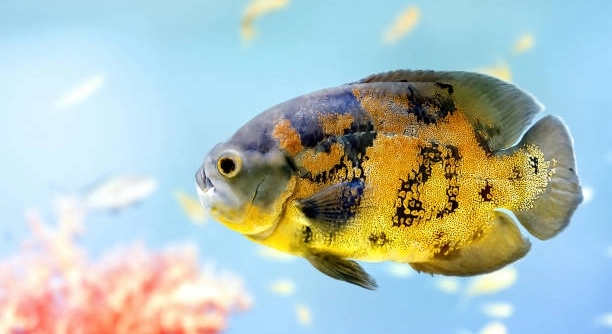
Oscar fish are known for their intelligence, but many wonder if they can learn tricks over time. Training fish may seem challenging, but it’s possible to engage your Oscar with some patience and the right techniques.
Oscar fish can indeed learn tricks over time, but their learning process differs from that of mammals. Repetition, positive reinforcement, and consistency are key elements when training them. Though the complexity of tricks may be limited, basic behaviors can be taught.
Training your Oscar requires dedication and patience. Understanding the best approach will help you build a stronger bond and provide mental stimulation for your fish.
Training Methods for Oscar Fish
Training an Oscar fish involves consistency and patience. The process can begin by teaching simple behaviors, such as responding to a specific sound or following a finger. These fish have an impressive memory and can connect actions with rewards. You should start with basic cues, ensuring the environment is calm to avoid distractions. Positive reinforcement, such as small food rewards, plays a vital role in this process. The key is repetition. Oscar fish respond best to structured training sessions, ideally lasting no more than 10 minutes to avoid overwhelming them.
Training Oscar fish is best done in a quiet and controlled environment. Too much movement or noise can distract them, making it difficult for them to focus. Additionally, it’s important to understand that their ability to learn is different from that of mammals, so patience is necessary.
Over time, Oscar fish can learn behaviors such as swimming through hoops or responding to their names. Training should be gradual, with clear and consistent cues. Start with a simple task and add complexity as your fish becomes comfortable. Each success, no matter how small, should be met with praise or food to reinforce the behavior. Understanding that each fish is unique and may learn at different speeds is important. Recognizing this will allow for better adaptation and results in training.
Common Training Challenges
Training your Oscar fish comes with challenges. One difficulty can be maintaining their focus during training sessions.
Oscar fish, being naturally curious, may lose interest quickly, especially when they don’t understand the purpose of a particular task. It’s essential to make the training environment engaging and to avoid overwhelming your fish with too many new tricks at once. By keeping sessions short and rewarding progress, you can help maintain their attention.
Using Positive Reinforcement
Positive reinforcement is crucial when training Oscar fish. Using food rewards or attention encourages them to repeat desired behaviors.
Oscar fish respond well to rewards, particularly food. They associate positive outcomes with specific actions, such as swimming toward you or touching a target. Offering treats immediately after a successful attempt ensures they make the connection between the behavior and the reward. Make sure to use their favorite food to keep them motivated. However, be mindful not to overfeed, as this can negatively impact their health.
While food is a powerful motivator, consistency is key. Each time your Oscar successfully completes a task, reward them immediately. The more often they associate the action with a reward, the more likely they are to repeat it. Over time, they will begin to understand the connection and anticipate rewards. Positive reinforcement helps build trust between you and your fish, making future training sessions easier and more effective.
Setting Realistic Expectations
Oscar fish, while intelligent, have limitations when it comes to learning. It’s important to set realistic goals for their training.
Expectations should be adjusted based on the individual fish. Some Oscars may pick up on basic behaviors quickly, while others may take longer. It’s important to start with simple tricks, like following a finger or moving through a hoop. Trying to teach complex tricks too early can lead to frustration for both you and your fish. Patience is essential when setting training goals.
By keeping expectations manageable, you ensure that both you and your Oscar experience a sense of progress. Progress may be slow at first, but with consistent effort, your fish can learn simple tricks over time. Setting achievable goals helps you maintain a positive training atmosphere and reinforces your fish’s learning. Be aware of their progress, and adjust your methods as necessary to ensure a continued, enjoyable experience for both of you.
Understanding Oscar Fish Behavior
Oscar fish are known for their curiosity and intelligence. Understanding their natural instincts helps in training them more effectively.
They are territorial by nature and can be aggressive, especially if they feel threatened. Recognizing these behaviors is important to avoid stress during training. Oscars may respond better to training when they feel comfortable in their environment.
Understanding their behavior patterns allows for better timing of training sessions. They thrive in stable, predictable environments. Stress can hinder learning, so maintaining a consistent routine is key. When Oscars feel secure, they are more likely to engage with you during training.
Maintaining Consistency
Consistency in your training routine helps your Oscar fish grasp concepts faster.
Sticking to a regular schedule allows your fish to become familiar with the training process. If training is sporadic or inconsistent, your Oscar may struggle to understand what’s expected. By making training a daily habit, you help your fish become more comfortable with learning and responding to cues.
Overcoming Setbacks
Training an Oscar fish is not always a smooth process.
It’s normal for setbacks to occur during training. Your fish might lose interest or fail to follow a cue. Instead of getting frustrated, keep sessions short and positive. Small adjustments, like changing the environment or the training method, may help your Oscar become more receptive to learning.
FAQ
Can Oscar fish really learn tricks?
Yes, Oscar fish can learn tricks, but their ability to learn is different from mammals. They can be trained to respond to simple cues, like swimming to a specific location or following a finger. The key to successful training is patience and consistency. Training may take time, but it is possible to teach them basic behaviors using positive reinforcement.
How long does it take for an Oscar fish to learn a trick?
The time it takes for an Oscar to learn a trick varies. Some fish may pick up on a behavior within a few days, while others may take weeks. Factors like the complexity of the trick, the environment, and the individual fish’s temperament all play a role. Consistent, short training sessions can help speed up the process.
What are some simple tricks I can teach my Oscar fish?
Start with basic tasks like teaching your Oscar to swim to a specific spot when called or follow a finger. You can also try teaching them to move through a hoop or respond to light signals. Simple tricks keep the fish engaged without overwhelming them. Stick to one task at a time for better results.
What kind of rewards should I use for training?
Food rewards are the most effective when training Oscar fish. Their favorite food, whether it’s pellets or live food, works best. Make sure to give the reward immediately after the behavior is completed. This helps them associate the action with the reward, reinforcing the behavior. Be careful not to overfeed, as too much food can negatively affect their health.
Can Oscar fish get bored with training?
Yes, Oscar fish can get bored, especially if training sessions are too long or repetitive. Keep training sessions short, around 5 to 10 minutes, to maintain their interest. Change the activities occasionally to keep things fresh and engaging. Just like any pet, keeping training varied can help prevent boredom.
What should I do if my Oscar fish seems stressed during training?
If your Oscar seems stressed, stop the training session and give them time to calm down. Stress can hinder learning and may even cause health issues. Make sure the environment is quiet and calm. You can also reduce the difficulty of the trick and try again later when they are more relaxed.
How often should I train my Oscar fish?
Training should be done daily, but in short bursts. Consistency is important, so try to train your Oscar fish at the same time each day. However, don’t overwhelm them with long sessions. Five to ten minutes of training per day is enough to keep your fish engaged without stressing them out.
Is it possible to teach an Oscar fish complex tricks?
Oscar fish can learn relatively simple tricks, but their ability to perform complex tricks is limited. They can’t perform like dogs or other mammals. However, you can gradually increase the difficulty of tricks as they master basic tasks. Expect their learning to plateau at a certain point, as their cognitive abilities are different from more intelligent animals.
Why does my Oscar fish lose interest during training?
There are several reasons why your Oscar might lose interest during training. It could be due to distractions in the environment, too long of a training session, or lack of a reward that is motivating enough. Ensure the environment is calm, the sessions are short, and the rewards are appealing to your fish.
Can Oscar fish recognize their owner?
Yes, Oscar fish can recognize their owners. They have good memory and can differentiate between familiar and unfamiliar people. Over time, they may begin to associate you with food or positive experiences, making them more likely to interact with you. This recognition helps build a bond between you and your fish.
What if my Oscar fish doesn’t seem to be learning?
If your Oscar isn’t learning, don’t get discouraged. Consider adjusting your training approach. Ensure you’re using consistent cues and rewards. You may also want to change the training environment, as distractions or stress can hinder their focus. Keep training sessions short and positive, and remember that patience is key.
Can training improve my Oscar’s health?
While training itself doesn’t directly improve health, it can provide mental stimulation that benefits your Oscar. A bored or under-stimulated Oscar fish may experience stress or even exhibit aggressive behavior. Regular training can help prevent boredom, reduce stress, and encourage physical activity, all of which contribute to a healthier fish.
What type of environment is best for training my Oscar fish?
A calm, quiet environment is best for training Oscar fish. Too much movement or noise can distract them, making it harder for them to focus. Ensure the tank is in a quiet area of the home where the fish can feel secure. The water quality should also be optimal, as stress from poor water conditions can hinder learning.
Can I train my Oscar fish in a community tank?
It’s possible to train your Oscar in a community tank, but it can be more challenging. Oscars can be territorial and aggressive, especially if other fish are present. If you choose to train in a community tank, ensure that there are no disturbances from other fish. It may be easier to train in a separate, quieter tank.
How do I know when my Oscar fish is ready for training?
Your Oscar fish is ready for training when it shows interest in its surroundings. If your fish is curious and responsive to you, it’s likely open to training. Avoid training during stressful times, such as after a water change or when new tank mates are introduced. A calm and stable environment is essential for training.
Can I train my Oscar fish to interact with other animals?
Oscar fish can learn to interact with other animals, but their natural behavior may limit these interactions. They are territorial and might not be as social with other species. If you’re trying to train them to interact with other pets, ensure both animals are comfortable and have enough space to avoid conflict.
Final Thoughts
Training an Oscar fish can be a rewarding experience, but it requires patience and consistency. Unlike mammals, Oscar fish do not have the same level of cognitive ability, so their learning process can be slower and more limited. However, with the right approach, you can teach them simple tricks and behaviors. Keeping training sessions short and positive will help maintain their interest and prevent stress. Positive reinforcement, like using food rewards, is the most effective method for encouraging good behavior. It’s important to remember that each fish is different, so what works for one Oscar may not work for another.
Oscar fish thrive in stable and calm environments. Stress can hinder their ability to learn, so creating a peaceful setting is essential. This includes maintaining water quality, ensuring the tank is free from loud noises or sudden movements, and offering them a secure, predictable routine. When Oscar fish feel safe and comfortable, they are more likely to engage with you during training. Their behavior can also be influenced by their health and mood, so be mindful of any changes. If your Oscar seems uninterested or stressed, it may be time to adjust the training schedule or environment to make them more at ease.
While training an Oscar fish is not as complex as training other animals, it can still be a fun and fulfilling process. Over time, your fish will recognize you and associate you with positive experiences, making interactions more enjoyable. Just be patient and consistent, and avoid getting frustrated if progress is slow. With the right approach, you can strengthen your bond with your Oscar and enjoy watching them learn new behaviors, no matter how simple. Remember, the key is understanding your fish’s unique personality and working with it to achieve the best results.

Hello,
If you enjoy the content that we create, please consider saying a "Thank You!" by leaving a tip.
Every little bit helps us continue crafting quality advice that supports the health, happiness, and well-being of pets around the world, for pets of all shapes, sizes, and species.
We really appreciate the kindness and support that you show us!