
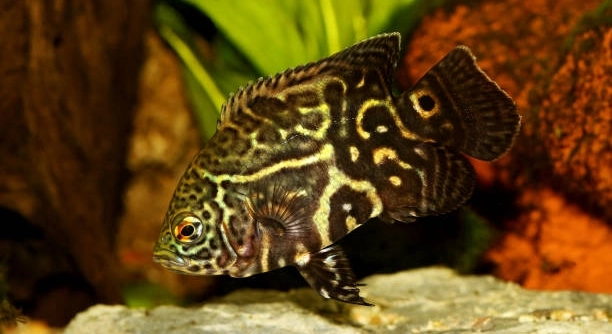
Oscar fish are popular in many home aquariums, admired for their beauty and intelligence. They often display interesting behaviors that make them stand out, leading many owners to wonder about their ability to recognize their surroundings.
Oscar fish can indeed learn to recognize hands, especially when they associate them with feeding. Their ability to recognize familiar objects or movements, like a hand, is driven by their learning and memory capabilities, much like other fish species.
Understanding how Oscar fish perceive and interact with their environment can deepen your connection with them. Knowing more about their behaviors can help you take better care of your fish and enhance their well-being.
How Oscar Fish Perceive Their Environment
Oscar fish are highly intelligent creatures with a remarkable ability to recognize patterns in their surroundings. They have good vision, especially when it comes to detecting movements, which is why they can become familiar with their owners. Over time, they learn that certain actions, like the sight of a hand approaching their tank, signal feeding time. Their memory helps them make these associations, allowing them to anticipate events based on previous experiences. If you are consistent with your actions, your Oscar fish will begin to respond to the sight of your hand, especially when it is tied to feeding.
They can remember these patterns for a while, showing their cognitive ability. Once they start recognizing your hand, they’ll be more active around feeding time.
This recognition is not limited to just hands; Oscar fish can also learn other patterns, such as the sound of your footsteps or the sight of your shadow. With repeated exposure, they start linking these cues with specific events, like meal times, making them more engaged with their environment. Understanding how Oscar fish learn will help you create a more interactive and rewarding experience for both of you.
How Oscar Fish Respond to Hands
When Oscar fish see hands approaching the tank, they often get more excited. Their anticipation grows because they’ve learned that your hand means food is coming. This response shows how well they associate your presence with something positive. The behavior is a sign of their capacity for learning and memory.
Oscar fish will begin to follow your hand as it moves, sometimes even pressing their noses against the glass. This behavior stems from their desire to get closer to the source of food. They are not only reacting to the hand but also trying to communicate their excitement. This interaction can be a fun part of your bonding time with your Oscar fish, as they learn to recognize and respond to you in a way that reflects their growing trust and familiarity. Over time, they may even learn to anticipate when you’ll feed them based on the time of day or other environmental cues.
The Role of Repetition in Learning
Repetition plays a key role in helping Oscar fish recognize and remember patterns. The more frequently you expose them to certain cues, like the sight of your hand, the stronger the connection becomes. Consistency in your actions helps reinforce their memory, making the association more dependable over time.
Oscar fish quickly learn when their owners feed them, and this repetitive process helps them understand the timing. For example, if you feed them at the same time every day, they start expecting food around that time. They’ll associate the movement of your hand with feeding and begin to respond to it more eagerly. This shows how predictable actions can shape their behavior. Repeating the same routine daily not only strengthens the connection between you and your fish but also builds trust. The consistency in your actions helps your Oscar fish recognize and remember patterns they associate with positive experiences, like food.
In the wild, fish may not experience the same level of consistency, but in an aquarium setting, they can pick up on these cues more easily. Over time, Oscar fish will start to approach their owners in anticipation, eagerly waiting for the hand movements they associate with feeding. This ability to learn through repetition is a clear sign of their intelligence. It also helps them adapt to their environment, enhancing their overall well-being.
How Hands Become a Signal for Feeding
As your Oscar fish become familiar with your hand, they start recognizing it as a sign of food. This association forms through the repetition of your feeding actions. The hand, in their mind, becomes a symbol for something positive.
Oscar fish learn quickly that your hand means food is coming. They’ll start to recognize it not only by sight but also by the movement and actions around feeding time. The more often they see the hand, the stronger the connection becomes. Over time, they may even get excited when they see your hand approaching the tank, swimming around or following it closely in anticipation. This behavior can be a fun part of having an Oscar fish, as you’ll witness their ability to form associations based on what they’ve learned. The hand then becomes a trigger, leading to their expectation of the meal they associate with it.
What’s important is to maintain consistency in your actions. If you feed them at irregular times or with irregular methods, it can confuse them. The connection they’ve built with the hand may weaken if the routine is disrupted. To keep their recognition strong, keep feeding times consistent and maintain a clear pattern of behavior.
Oscar Fish and Their Ability to Recognize Other Cues
Oscar fish are not limited to recognizing just hands. They can also associate sounds, movements, and even environmental changes with feeding or other activities. Their ability to learn goes beyond just visual cues, showing how adaptable they are to their surroundings.
For example, the sound of a door opening or the sight of a shadow over the tank can trigger a response in Oscar fish. They learn to link these cues with specific actions, such as feeding. With time, they begin to recognize their owners by a combination of different signals, not just by the hand approaching the tank. This shows how versatile their learning process is.
Oscar fish can pick up on subtle changes in their environment and adapt their behavior accordingly. Whether it’s the sound of footsteps or a specific routine, they are constantly learning from the patterns they observe. By using a variety of cues, such as sound and sight, they create a more complete picture of when to expect feeding or interaction. This ability makes them highly responsive to their owners and helps deepen the connection between fish and keeper.
Reinforcing Positive Interactions
Positive interactions, like feeding, help reinforce the bond between you and your Oscar fish. Over time, they learn that your presence brings good things, creating a stronger connection.
When your fish sees you and associates you with feeding, they become more comfortable and trusting. Repeating these positive interactions helps them grow more familiar with you. This consistent reinforcement helps build trust and may even make your Oscar fish more sociable. They’ll begin to recognize you not just for food but also as a source of safety and comfort in their environment.
Behavior Around Feeding Time
Oscar fish tend to display certain behaviors as feeding time approaches. They may become more active, swim towards the front of the tank, or even jump slightly. These behaviors reflect their excitement and anticipation.
These signs of hunger or excitement are a clear signal of the bond your fish has formed with you. It shows they have connected the presence of your hand or actions with the reward of food. Over time, these behaviors become a regular part of their routine.
FAQ
Can Oscar fish recognize their owners?
Yes, Oscar fish can recognize their owners. They are intelligent and can learn to associate your presence with feeding time. Through repetition, they will begin to understand that when you approach the tank, food might be near. Over time, your Oscar fish can become more interactive and responsive to you, recognizing not only your movements but also your voice or other consistent cues.
How long does it take for Oscar fish to recognize hands?
The time it takes for an Oscar fish to recognize hands varies but generally takes a few weeks of consistent feeding and interaction. The more frequently they see your hand associated with food, the quicker they will make the connection. If the feeding routine is stable, their recognition should develop fairly quickly, and they may even start approaching the tank when they see your hand.
Can Oscar fish learn to recognize other objects?
Yes, Oscar fish can recognize other objects or cues in their environment. They are capable of learning from a variety of signals, such as sounds, movements, and even changes in the water. If you feed your fish at the same time and under the same conditions, they may begin to associate specific items, like a feeding container or even a light turning on, with food.
Do Oscar fish remember their owners?
Oscar fish can remember their owners, especially if they have been consistently fed and cared for. They are not just responding to a single cue but are also learning to associate their owners with positive experiences like feeding. Their memory allows them to recognize you over time, even if they don’t see you every day.
How do Oscar fish communicate?
Oscar fish communicate primarily through body language and behavior. They may display excitement, curiosity, or aggression based on their environment or interaction with you. For example, if they are hungry, they might swim to the front of the tank and become more active. Similarly, when they are calm or content, they may display slower swimming and relaxed movements.
Can Oscar fish learn tricks or tasks?
Oscar fish are capable of learning simple tricks or tasks, especially if they are motivated by food. With patience and consistency, they can learn to associate specific actions, like swimming through hoops or following a target, with rewards. Training Oscar fish, however, requires repetition and the ability to maintain their focus, as their attention span is limited.
Do Oscar fish recognize their reflection?
Oscar fish may not always recognize their own reflection. At first, they might react to their reflection as if it were another fish, displaying territorial behaviors like swimming aggressively toward it. Over time, some Oscar fish may stop reacting to their reflection, while others might continue to show interest in it. It’s generally a sign of their curiosity.
Why do Oscar fish sometimes ignore their owners?
Oscar fish may sometimes ignore their owners due to environmental factors or their mood. If the tank water is not to their liking, such as being too warm or too cold, they might retreat and become less responsive. Similarly, if they are not hungry, they may not be as eager to interact. It’s also possible that they’re just enjoying some alone time.
How do Oscar fish recognize feeding time?
Oscar fish recognize feeding time through repetition. When you consistently feed them at a specific time of day, they learn to associate that time with food. They can also recognize physical cues like the movement of your hand or the sound of the feeding process. Over time, they start to become more active and expect food when they see those cues.
Can Oscar fish recognize different types of food?
Oscar fish can recognize different types of food. They are omnivorous and will often develop preferences for certain types of food, like pellets, live food, or vegetables. With regular exposure to a variety of foods, they will learn to distinguish between them and may even respond more excitedly to their favorite options.
Do Oscar fish get attached to their owners?
Oscar fish can form a bond with their owners, particularly if they have regular interactions. This bond is based on the positive reinforcement of feeding and care. While they may not form attachments in the same way mammals do, their recognition and excitement when they see you show that they are familiar and comfortable with your presence.
Can Oscar fish recognize voices?
Oscar fish have good hearing, and they can learn to associate certain sounds, including your voice, with feeding time. While they may not fully “understand” what you’re saying, they may start reacting to the tone or pitch of your voice when it becomes consistent with feeding or other positive events.
How do Oscar fish react to new people?
When new people approach the tank, Oscar fish might display curiosity or caution. They are territorial and may initially react defensively, especially if they aren’t used to unfamiliar figures around their tank. Over time, with regular exposure to new people, they may grow more comfortable and show less defensive behavior.
Final Thoughts
Oscar fish are intelligent creatures capable of forming associations and learning from their environment. Over time, they can recognize their owners and even anticipate feeding times based on visual or auditory cues. This ability to learn and adapt makes them an engaging addition to any aquarium. Their responses to hands and other signals show how adaptable they are, learning through repetition and consistency. This behavior is a reminder of how connected these fish can become to their caretakers, responding not just to food but to the environment they share with their owners.
Understanding the behavior of Oscar fish can help improve the care they receive. When you know that they can recognize your hand or voice, it opens up opportunities to make interactions more engaging. For instance, using consistent feeding routines or spending time in front of their tank can help them feel more secure and familiar with you. This routine builds trust and allows your Oscar fish to feel safe in their space. It also creates a more interactive and enjoyable experience for both the fish and the owner.
Oscar fish may not be able to form attachments in the same way pets like dogs or cats do, but they do build connections based on positive reinforcement. Their recognition of hands, movements, and even sounds shows how in tune they can be with their surroundings. While their memory may not be as advanced as that of some mammals, it is clear that Oscar fish are capable of learning and recognizing patterns in their daily life. This makes them a unique and rewarding pet for those willing to take the time to understand their behaviors.

Hello,
If you enjoy the content that we create, please consider saying a "Thank You!" by leaving a tip.
Every little bit helps us continue crafting quality advice that supports the health, happiness, and well-being of pets around the world, for pets of all shapes, sizes, and species.
We really appreciate the kindness and support that you show us!