
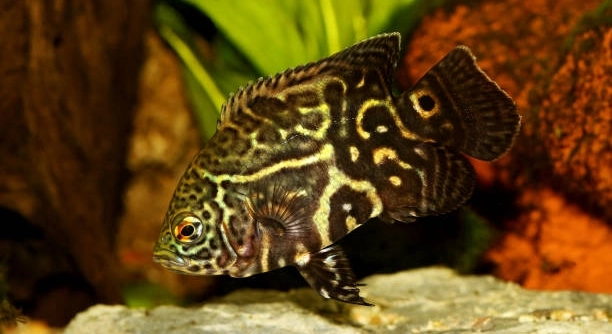
Have you ever watched your oscar fish swim and wondered if it could recognize shapes or patterns shown outside the tank? These fish are often more curious than we expect, especially in a home aquarium setting.
Oscar fish are capable of learning simple visual cues through repeated exposure and positive reinforcement. Studies show that with consistent training, they can associate certain shapes or colors with food rewards or specific outcomes.
Observing how these fish respond to visual patterns can help us better understand their learning abilities and enrich their environment with more engaging interactions.
How Oscar Fish React to Visual Stimuli
Oscar fish are naturally alert and quick to notice changes in their environment. In a tank, they often swim up when someone walks by, especially if they associate movement with feeding. Researchers and aquarium keepers have noticed that oscar fish can recognize specific shapes, like circles or squares, when these are repeatedly paired with food. The process takes time, but over several days or weeks, the fish start to respond more quickly to the visual cue. This shows they are not just reacting randomly—they are learning patterns. These visual cues can be anything from colored cards placed outside the tank to hand gestures. With consistency, the fish begin to understand the link between what they see and what comes next. This type of training isn’t only interesting—it can also be used to keep the fish mentally active. Visual learning may not come naturally to all fish, but oscars seem to manage it well.
Repetition and food rewards help build this type of recognition. The key is staying consistent and using the same cues every time.
While oscar fish won’t learn as fast as dogs or cats, they do show signs of memory and preference. This adds an interesting layer to keeping them at home.
Why It Matters for Tank Life
A mentally active fish is often healthier and less aggressive. Oscars that are given chances to explore and react to changes in their tank tend to show fewer signs of stress.
Training oscar fish with simple visual cues isn’t just about proving they can learn—it’s about giving them a better quality of life. These fish are known for being intelligent, and without enough stimulation, they may become bored or aggressive. Using colored cards, shapes, or even light patterns gives them something to focus on. Some owners use feeding sticks or hand gestures during feeding times, helping the fish link a visual sign with food. This helps build routine and can make them more relaxed. Also, it can prevent tank behaviors like glass surfing or hiding all day. These small efforts can go a long way in keeping your fish healthy and interested in their surroundings. It’s a simple step that can make the tank feel more alive—for both you and the fish.
Teaching Oscars at Home
Training oscar fish at home with visual cues is simple if you keep the setup consistent. Start with one shape or color and always pair it with feeding. Keep distractions low during the process to help them focus better.
Begin by showing the fish a shape—like a red card—right before feeding. Do this daily, using the same timing and location. After a few days, the fish may swim toward the card as soon as they see it. This is a good sign that they are making a connection. If they don’t respond right away, stay patient and avoid switching to new cues too soon. Oscars need a bit of time to catch on, but consistency and food motivation can go a long way. Avoid overfeeding during training and stick to regular meal sizes. This keeps the fish healthy while also keeping them interested in the visual cue.
Once the fish reliably responds to one cue, you can try adding a second one. Maybe use a green card before giving a treat like a bloodworm. Only introduce new cues after the first one is clearly learned. Watch closely to see if the fish mixes them up or responds differently. This helps measure how well they’re learning.
Common Mistakes to Avoid
Many people rush the process and expect quick results, but oscar fish need time. Changing the cues too often or not using them regularly can confuse the fish and slow learning.
Using too many shapes, skipping training days, or feeding without the cue all weaken the association. Fish need clear, repeated signals to learn. Also, try not to tap on the glass or cause stress while training. A calm tank helps the fish stay focused. It’s also important to use food the fish actually likes—if they’re not motivated by the reward, they won’t bother learning. Avoid overfeeding during training, as this can lead to health problems and make the fish less responsive. Training works best when the fish is slightly hungry and the cue is shown at the same time each day. Patience and routine are the most helpful tools when teaching your oscar anything new.
Observing Progress
A good sign of progress is when the oscar swims toward the cue without hesitation. This shows the fish is connecting the shape or color to food.
If the fish ignores the cue, it may need more time or better motivation. Make sure the setup is consistent and distractions are limited.
When to Start Training
The best time to start training is after the fish has fully adjusted to its tank and is eating regularly. Young or newly added oscars may take longer to settle, so give them time first. Once settled, start with short training sessions. Keep it under five minutes and avoid overwhelming the fish. Use a cue that is clearly visible from the outside of the tank. Bright colors or large shapes work better than small or faded ones. Pay attention to the fish’s reactions during each session—this helps you adjust your approach. With patience and repetition, progress will show.
Things to Remember
Training should feel simple and calm. Keep the routine steady, use strong visual cues, and don’t switch things up too fast.
FAQ
Can oscar fish really learn visual cues?
Yes, oscar fish are capable of learning visual cues. With patience and consistency, they can associate certain colors or shapes with feeding time. It’s important to keep the training routine regular and use food as a reward to help them make connections. Visual learning doesn’t come instantly, so be prepared for gradual progress. Repetition is key.
How long does it take for an oscar to learn a visual cue?
The time it takes for an oscar to learn a visual cue depends on the fish’s age, attention span, and consistency in training. Generally, it can take anywhere from a few days to several weeks for the fish to start responding. It’s best to work with one cue at a time and repeat it daily.
Do I need to use specific types of visual cues?
No, but larger shapes or bright colors are easier for your oscar to see and learn. You can experiment with different shapes or colors, but keep the cues consistent throughout training. For example, a red square or circle placed outside the tank could work well. Avoid small or faint cues that may be hard for the fish to notice.
What should I do if my oscar ignores the visual cue?
If your oscar isn’t responding to the visual cue, it might be because it’s not hungry enough, the cue is unclear, or the fish needs more time. Try adjusting the food reward or ensuring the cue is more visible. Don’t rush the process—consistency and patience are important. Additionally, make sure the tank isn’t too stressful for the fish, as this can hinder learning.
How often should I train my oscar?
It’s best to train your oscar daily, but avoid long training sessions. Short, consistent periods—around 5 to 10 minutes a day—work best. If you train for too long, the fish may get frustrated or bored. Training right before feeding time can also help, as the fish is more motivated.
Can I train my oscar with more than one cue at a time?
It’s possible, but it’s better to focus on one cue at a time. Once your oscar reliably responds to one shape or color, you can introduce another. Adding too many cues too soon can confuse the fish and slow down the learning process. Focus on consistency with each cue before moving on to others.
Will training my oscar make it more aggressive?
No, training your oscar with visual cues shouldn’t make it more aggressive. In fact, mental stimulation can help reduce stress and aggression by keeping the fish engaged. However, overfeeding during training can cause health problems and make the fish act differently. Make sure to keep meals balanced and avoid overfeeding to maintain good behavior.
Can I train my oscar with sounds instead of visual cues?
Yes, oscars can also learn to respond to sounds, although visual cues tend to be more effective. If you prefer to use sound, you can try tapping gently on the glass or using a specific noise when feeding. Consistency is key, whether you use visual cues, sounds, or both.
How can I tell if my oscar is learning the visual cues?
The easiest sign that your oscar is learning is when it begins swimming toward the cue as soon as it sees it, even before food is introduced. Another indicator is if the fish starts recognizing the cue more quickly over time. If the fish doesn’t react, it may need more time or better reinforcement with food.
Should I use a variety of food rewards for training?
Using different types of food can keep your oscar more interested in the training process. However, stick to healthy options like pellets, bloodworms, or other foods your fish enjoys. Don’t overfeed, as it can cause health problems and make the fish less eager to respond to the cues. It’s best to use small portions of the food to avoid excess.
Can my oscar remember the cues if I don’t train every day?
Oscars have good memory, but skipping training days can slow down their learning progress. Regular reinforcement helps them maintain the connection between the cue and the reward. If you miss a day, try not to let too much time pass without training, as the fish may forget the association over time. It’s best to stay consistent for lasting results.
How can I avoid overfeeding my oscar during training?
Overfeeding is a common issue during training, especially since food is used as a reward. To avoid this, reduce the amount of regular meals on training days to account for the food given during training. Stick to a proper feeding schedule to ensure your fish doesn’t get too much at once, which can lead to weight gain or other health issues.
What type of tank setup is best for training an oscar?
A calm and quiet tank setup is essential for training. Make sure the tank is free from excessive noise, other pets, or too much movement around it. Having a stable environment helps the oscar stay focused during training. Avoid placing the tank in areas where it could be constantly disturbed.
Is it okay to train more than one oscar at once?
Training multiple oscars at once can be challenging, as they may become distracted by each other. It’s usually better to train one fish at a time. If you have several oscars, focus on one, and later, you can train the others when the first fish has mastered its cues. This prevents confusion and ensures each fish gets the attention it needs.
What other behaviors can oscars learn with training?
In addition to responding to visual cues, oscars can also be trained to follow hand movements, perform simple tricks like swimming through hoops, or even touch certain objects. Keep in mind that training them to do complex tasks takes time, and not all oscars will learn in the same way.
Is training stressful for the oscar fish?
Training should not be stressful if done properly. Keep the sessions short and focused, and don’t force the fish to participate if it seems overwhelmed. As long as the fish is relaxed and the environment is calm, training should be an enjoyable and rewarding activity for both you and your oscar.
Final Thoughts
Training an oscar fish with visual cues can be an enjoyable experience that helps improve the fish’s environment and mental stimulation. While it may take time and patience, the process of teaching your oscar to recognize specific shapes or colors is straightforward. Oscars are naturally curious and intelligent, making them great candidates for simple training techniques. The key is to keep the training sessions short, consistent, and rewarding. By sticking to a routine and using food as a motivation, you can see progress over time. Watching your oscar begin to associate a visual cue with feeding is rewarding and can help build a bond between you and your fish.
It’s important to remember that each fish is different. Some oscars may pick up on visual cues faster than others, and that’s okay. It’s essential to not rush the process or expect quick results. Patience is the best approach when training any fish. If you notice that your oscar isn’t responding to the cue, you may need to try a different visual trigger, adjust the food reward, or simply give it more time. As long as you remain consistent with your methods, the fish will eventually make the connection. Over time, the fish will start to recognize patterns, and this can lead to a more engaging and interactive experience.
Training your oscar with visual cues not only helps stimulate its mind but can also improve its overall well-being. When fish are kept mentally active, they are less likely to display aggressive or stressful behaviors, and they become more comfortable in their environment. Engaging them in these simple activities can also prevent boredom, which is important for a happy and healthy tank life. So, if you’re looking for a way to enrich your oscar’s life and enjoy a more interactive aquarium experience, trying visual cues is a great place to start.

Hello,
If you enjoy the content that we create, please consider saying a "Thank You!" by leaving a tip.
Every little bit helps us continue crafting quality advice that supports the health, happiness, and well-being of pets around the world, for pets of all shapes, sizes, and species.
We really appreciate the kindness and support that you show us!