
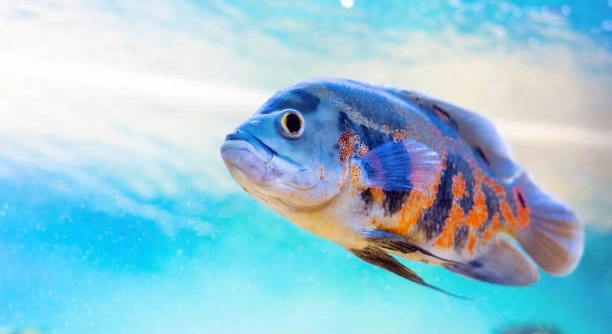
Oscar fish are known for their intelligence and engaging personalities. Many owners wonder if these aquatic creatures can mimic routines or behaviors, making them even more interesting to watch. This article will explore that curiosity.
Oscar fish are capable of learning and adapting to certain routines, especially when linked to feeding times or environmental cues. Their memory and ability to associate actions with outcomes suggest they can imitate repetitive behaviors over time.
Understanding how Oscar fish learn will give you better insights into their behavior and enhance your experience as an owner.
What Makes Oscar Fish So Intelligent?
Oscar fish are often considered one of the smarter species in the aquarium. They can recognize their owners and associate people with feeding times. It’s impressive how quickly they can learn routines, especially when their actions lead to rewards. This ability to remember and repeat behaviors makes them fascinating pets for those interested in animal cognition. While they may not perform tricks like a dog or cat, their awareness of their environment shows a level of intelligence that is often underestimated. Many Oscar fish owners notice how their fish react to different stimuli, like the sound of the feeding bell or the movement of their owner around the tank.
They also show a level of curiosity, exploring their surroundings and reacting to changes in their environment. This behavior supports the idea that they can imitate what they experience daily.
In many cases, owners report their Oscars developing a sense of routine. These fish will start to anticipate feeding times and might even approach the glass when it’s time for food. Over time, they might come to the surface when you walk by the tank. They can also respond to specific cues, such as a tapping sound, which further suggests they are not just acting out of instinct but rather learning and adjusting to patterns in their environment.
Routine Learning and Repetition
Oscar fish can learn routines through repetition. With consistent cues, they start to expect certain actions to follow. This behavior showcases their adaptability and their ability to recognize patterns in their daily life. The more often these patterns repeat, the more ingrained they become.
Can Oscar Fish Recognize Their Owners?
Oscar fish can recognize their owners through visual and auditory cues. Over time, they can associate their owner’s appearance with feeding time. This connection grows stronger when the same person regularly feeds them, and the fish begins to respond specifically to that individual.
As they grow familiar with their owner, Oscars may display excitement when seeing them approach the tank. They may swim to the surface, follow movements, or even recognize specific sounds, like the sound of a door opening. These behaviors suggest that they can form simple associations based on experience. Recognition plays a major role in their ability to adapt to routines, making them more interactive and responsive.
Their responses to familiar stimuli are not just limited to feeding. Some owners have noticed Oscars reacting differently to their voices or movements. The fish’s keen ability to recognize and differentiate between people shows they can form bonds in a unique way compared to other aquarium species. It’s clear that Oscars can adapt their behavior based on their interactions.
How Routine Affects Oscar Fish Behavior
Oscar fish thrive on routine, and once a pattern is established, they become more predictable. They are creatures of habit, and once they recognize the timing of feeding or other activities, they are likely to adjust their behavior accordingly. Over time, they may even anticipate actions before they happen.
A consistent schedule is beneficial in building trust and comfort with your Oscar fish. For example, when you feed them at the same time every day, they learn to associate that time with food, and their behavior will reflect that. They may swim to the top of the tank or wait near the glass as soon as they recognize the routine.
While they do enjoy structure, Oscars also show signs of curiosity. If there are changes in their environment, such as new objects or rearranged decorations, they might take time to investigate. Their adaptable nature allows them to adjust, but they always prefer consistency.
Do Oscars Respond to Training?
Oscar fish can be trained to some extent, though their training is more about creating associations than teaching complex tricks. They can learn to recognize certain actions, like tapping on the tank to signal feeding time, and will start responding accordingly.
Training an Oscar fish involves repetition and patience. For instance, tapping the glass at the same time every day before feeding will eventually cause the fish to swim to the surface when they hear the tap. This kind of training is based on the fish’s ability to remember associations, similar to how they learn routines.
With consistency, Oscars will begin to recognize your cues, although their training is not as complex as training a dog. They are responsive to these simple signals, which shows that while their learning capacity is limited compared to land animals, they can still pick up on repeated actions and respond to them.
The Role of Environment in Learning
The environment plays a significant role in how well an Oscar fish adapts to routines. Stability in their surroundings helps them build connections with daily activities. Changes in the environment, like moving decorations or altering the tank’s setup, can disrupt their sense of routine.
Oscar fish are sensitive to their surroundings, and when you keep the environment stable, they adapt faster and learn more effectively. A familiar setup helps them understand what to expect, which is why it’s important to maintain consistency, especially with feeding times and interactions.
Can Oscars Imitate Their Owners’ Actions?
While Oscar fish can’t imitate their owners in the way humans or certain animals can, they do mirror some behaviors. For example, they might follow movements or swim when they see their owners approach the tank. However, their “imitation” is more about association than true mimicry.
FAQ
Can Oscar fish learn to do tricks?
Oscar fish are intelligent but have limitations when it comes to performing tricks. They can learn to associate certain actions with rewards, such as swimming to the surface when they hear a tapping sound, but they cannot perform complex tricks like a dog or a bird. The extent of their “training” involves recognizing patterns and responding to cues, especially when it comes to feeding routines.
Training them involves repetition, patience, and consistency. With enough time, Oscars can understand the connection between their actions and rewards. However, they are not capable of learning tricks like rolling over or playing fetch. They are best understood as animals that can develop simple routines rather than perform tasks on command.
How do Oscars recognize their owners?
Oscar fish recognize their owners through both visual and auditory cues. They can identify specific people by their appearance and the sounds they make. For instance, Oscars might react when they see you approach the tank or when they hear the sound of a feeding bell. Over time, they associate these cues with feeding time, which makes their behavior more predictable.
Each Oscar fish has its own personality, and some may respond more strongly to their owners than others. While they may not show affection like a dog or a cat, they clearly show recognition and may display excitement when they see their owner. They may swim to the front of the tank or follow you around as you move.
How can I create a routine for my Oscar fish?
To create a routine for your Oscar fish, consistency is key. You should feed them at the same time every day, keep the environment stable, and use specific cues for feeding. For example, tapping on the glass at a certain time before feeding can help them associate the sound with food. Over time, they will begin to anticipate feeding and react accordingly.
Keeping the tank environment stable also helps. If you frequently move decorations or change the water temperature, it may disrupt their sense of routine. Oscars are creatures of habit, and a predictable environment will allow them to thrive and recognize patterns more easily.
Why does my Oscar fish sometimes act aggressively?
Oscar fish are territorial and can sometimes display aggression, especially if they feel their space is being threatened. They may show aggression toward other fish, their owners, or even their own reflection. It’s important to provide enough space in the tank to minimize territorial behavior and reduce stress.
Aggression can also stem from overcrowding, poor water conditions, or changes in the environment. If your Oscar is acting aggressively, consider checking the water quality, ensuring they have enough room, and making sure there are no sudden changes to the tank setup. If aggression persists, it may be worth introducing a divider to separate the fish from other potential stressors.
Do Oscars recognize their reflection?
Oscar fish can recognize their reflection in the glass, but they often view it as a rival or intruder. This can lead to aggressive behavior as they try to “fight” the reflection. While they don’t truly recognize it as themselves, they react to it the same way they would to another fish. This is why it’s common for Oscars to display territorial behavior when they see their reflection.
To minimize this, you can reduce the amount of reflective surfaces around the tank or provide plenty of hiding spots so your Oscar feels more secure. If the reflection is causing consistent stress, you may need to block it or adjust the tank setup.
Can Oscars live with other fish?
Oscar fish can live with other fish, but it depends on the species and tank size. They are aggressive and territorial, so it’s important to select tankmates carefully. Larger fish that can hold their own are more likely to coexist peacefully with Oscars. Smaller, more docile fish may become targets of aggression.
When introducing new fish, be sure the tank is large enough to accommodate all inhabitants and provide plenty of hiding spaces. Oscars are best kept with other large, sturdy fish, such as large cichlids or plecos. Avoid mixing them with smaller fish, as the Oscars might view them as food.
How long do Oscar fish live?
Oscar fish typically live around 10 to 15 years in a well-maintained tank. The lifespan of an Oscar can be affected by water quality, diet, and tank conditions. Providing the right care, including proper filtration, stable water temperature, and a balanced diet, can help your Oscar live a longer and healthier life.
Many Oscars are known to live even longer if kept in optimal conditions, with some reaching 20 years or more. Regular water changes, good tank hygiene, and careful monitoring of their health will ensure your fish live to their full potential. A healthy environment goes a long way in promoting a long lifespan for your Oscar.
How do I know if my Oscar fish is stressed?
Stressed Oscar fish may exhibit a variety of behaviors, including hiding, swimming erratically, or showing changes in color. They may also stop eating or display more aggressive tendencies. Stress can result from poor water conditions, overcrowding, or frequent changes in the tank setup.
To reduce stress, ensure that the water quality is consistently good and that the tank is appropriately sized for your Oscar. It’s also important to keep the environment stable, as sudden changes can be a major cause of stress for your fish. Recognizing these signs early will help you address potential issues before they become more serious.
Final Thoughts
Oscar fish are fascinating creatures that can learn and adapt to certain routines, making them an engaging pet for aquarium owners. Their ability to recognize patterns, like feeding times or the presence of their owners, shows a level of intelligence that can surprise many. Though they cannot perform complex tricks, their memory and ability to adapt to their environment allow them to build simple routines and expectations. This makes them more interactive and enjoyable to watch, as they respond to their owners’ actions in predictable ways.
Maintaining a consistent routine is key to building a bond with your Oscar fish. They thrive when they know what to expect, whether it’s regular feeding times or familiar interactions. Keeping their environment stable and predictable will help them feel more comfortable and secure, which, in turn, allows them to engage more with their surroundings and owners. It’s also important to note that while Oscars can learn and recognize patterns, they still rely on their instincts. So, even with routine training, they may still show aggression or territorial behavior, especially if their space feels threatened.
Overall, understanding the behavior of Oscar fish can make owning them a more rewarding experience. By recognizing their intelligence and creating a stable routine, you can foster a healthy, interactive relationship with your pet. Whether they are swimming excitedly at feeding time or simply observing their environment, Oscars offer a unique dynamic in an aquarium. Their ability to recognize patterns, learn from experiences, and adjust to their surroundings adds an interesting layer to their care, making them more than just a fish in a tank. With the right care, an Oscar fish can live a long, healthy, and engaging life, bringing joy to your home.

Hello,
If you enjoy the content that we create, please consider saying a "Thank You!" by leaving a tip.
Every little bit helps us continue crafting quality advice that supports the health, happiness, and well-being of pets around the world, for pets of all shapes, sizes, and species.
We really appreciate the kindness and support that you show us!