
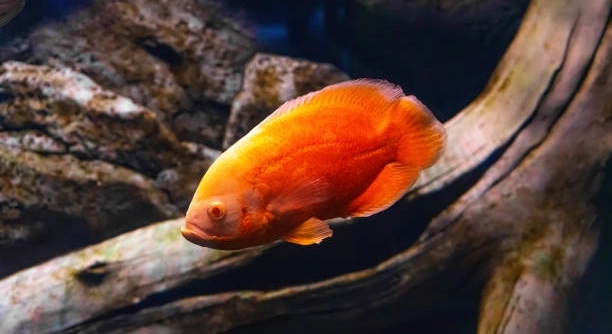
Oscar fish are fascinating creatures, known for their unique behavior and vibrant appearance. Many people keep them as pets, and their care often sparks curiosity. One topic that often arises is how well these fish can hear high-frequency sounds.
Oscar fish are capable of hearing sounds, but their ability to detect high-frequency sounds is limited. Their hearing range is lower compared to humans, with a focus on lower frequencies that are more relevant to their environment.
While they may not respond to high-pitched sounds the way humans or some animals do, Oscar fish have adapted to detect sounds within their natural surroundings. Understanding their hearing abilities can help in their care and environment.
Understanding the Basics of Sound Detection in Fish
Oscar fish, like other species, rely on their senses to survive and thrive. Their hearing is particularly important when it comes to locating food or avoiding predators. However, they experience sound in a different way than humans. While humans hear a broad range of frequencies, Oscar fish are more tuned to the lower frequencies in their environment, particularly those that help them detect movements and vibrations around them.
Oscar fish don’t hear high-pitched sounds the way humans can, but they can detect vibrations through their lateral line system. This system helps them sense water movement and changes in their surroundings, which is vital for both navigation and communication. Their hearing range is limited to the lower end of the frequency spectrum, making them less responsive to high-frequency sounds.
This ability to detect lower sounds plays a critical role in their daily life, helping them respond to potential threats. Their hearing may not be as sharp as other animals’, but their other senses make up for it, providing them with the necessary tools for survival.
How Their Hearing Helps Them
For Oscar fish, sound detection is closely tied to their natural behaviors. They can detect vibrations that signal movement, which helps them respond quickly to changes in their environment. This is essential for their survival.
Oscar fish use their lateral line system, an organ that detects water movement, to sense vibrations. This helps them in finding prey or recognizing danger. In their environment, this heightened sensitivity to vibrations allows them to react quickly to movements around them, providing a clear advantage when it comes to hunting or avoiding predators.
In an aquarium, it’s important to keep the environment quiet and calm to prevent overstimulation. Sounds that might seem ordinary to humans can cause stress in fish, affecting their behavior and health. Keeping their space peaceful can ensure their well-being.
High-Frequency Sound and Fish Behavior
Oscar fish do not respond well to high-frequency sounds. Their hearing is adapted to detect lower frequencies that are more common in their natural habitat. High-pitched sounds may not have much of an impact on them, but loud noises in general can cause stress.
The sounds Oscar fish are more attuned to help them locate food, find shelter, and avoid predators. In their environment, they rely on vibrations that travel through the water, picking up on movements and disturbances. These lower-frequency sounds are more relevant for their survival than higher-pitched noises, which don’t carry much significance in the wild.
Understanding that Oscar fish respond to these lower frequencies emphasizes the importance of maintaining a peaceful and calm environment in your aquarium. Avoiding loud or abrupt noises can help keep the fish comfortable and reduce stress, allowing them to behave naturally. Overstimulation from high-pitched sounds can disrupt their behavior and overall health.
Factors Affecting Their Sensitivity to Sound
Many factors influence how sensitive Oscar fish are to different sounds. The water quality, tank setup, and even the presence of other animals in the aquarium can affect their ability to hear. Fish are highly sensitive to their surroundings.
When an Oscar fish is kept in a quiet, stable tank, it is better able to detect vibrations from natural sources like water movement or prey. However, too much noise can interfere with their natural behavior. For example, harsh vibrations from loud music or equipment can disturb their peace. It’s essential to keep their tank environment as calm as possible.
Inadequate filtration systems or loud tank equipment can also contribute to an environment that is too noisy. While Oscar fish can tolerate some background noise, excessive sounds can prevent them from behaving normally. It’s important to regularly check the equipment in their tank to ensure they’re not exposed to unnecessary stress.
Can Oscar Fish Hear High-Pitched Sounds?
Oscar fish are not sensitive to high-pitched sounds. Their hearing system is designed to detect lower-frequency sounds, which are more relevant to their environment. These sounds help them navigate, find food, and stay safe.
While high-frequency sounds are not a concern for Oscar fish, loud noises or vibrations from their environment can still cause them stress. It’s important to ensure that their habitat remains peaceful to avoid any negative effects on their behavior and health.
The Impact of Aquarium Setup on Sound Sensitivity
The setup of your aquarium plays a significant role in how Oscar fish experience sound. The materials used in the tank and the equipment you place inside can contribute to how vibrations travel. Some filters or pumps may produce noise.
To minimize sound disturbances, ensure your tank equipment is working properly and isn’t overly loud. Choosing quieter equipment will reduce the chances of overstimulating your Oscar fish. The quieter the environment, the more comfortable the fish will feel, allowing them to behave naturally and interact with their surroundings as they would in the wild.
Environmental Noise and Stress
While Oscar fish are adapted to detect lower-frequency sounds, environmental noise still affects them. Excessive noise can lead to stress and changes in their behavior. Keeping the tank calm helps them thrive.
FAQ
Can Oscar fish hear human voices?
Oscar fish can hear sounds, including human voices, but their hearing is more sensitive to lower frequencies. When you speak near their tank, they may detect vibrations from your voice, but they will likely not respond in the same way that a pet like a dog would. The sounds they pick up are more about the general vibrations in the water.
How do Oscar fish detect sound?
Oscar fish detect sound primarily through their lateral line system, which is a sensory organ that picks up vibrations in the water. This system is especially helpful for detecting movements and disturbances in their environment. It helps them locate prey and identify potential threats. They rely more on detecting water movement than on sound frequencies like humans do.
Do loud sounds stress Oscar fish?
Yes, loud noises and vibrations can stress Oscar fish. While they might not hear high-frequency sounds like humans, they can feel vibrations through the water. Loud music, clattering objects, or noisy tank equipment can cause them to feel unsafe and stressed, which may impact their health. Keeping their environment calm is important for their well-being.
What kind of sounds do Oscar fish like?
Oscar fish don’t have a preference for specific sounds, as their hearing is tuned more to vibrations and low-frequency sounds. The natural sounds in their environment, like water flowing or the movement of other creatures, are more relevant to them. In an aquarium, they may not “like” or “dislike” sounds, but they do feel more at ease in a quiet setting without disturbances.
Can Oscar fish hear other fish?
Oscar fish can detect vibrations created by other fish. In the wild, they use this ability to sense the movements of potential prey or predators. In an aquarium, they may react to the movements or vibrations created by tank mates, helping them navigate their environment. However, they are not likely to interpret sounds the same way humans or other animals might.
Do Oscar fish respond to high-frequency sounds?
Oscar fish do not respond to high-frequency sounds the way humans or certain animals do. Their hearing is designed for detecting lower frequencies that are more relevant to their natural environment, such as the sounds made by other fish or water movement. High-pitched noises don’t have much impact on them.
How can I reduce stress for my Oscar fish?
To reduce stress for your Oscar fish, it’s important to keep their environment as quiet and stable as possible. Avoid loud noises, sudden movements, and overly stimulating environments. Use quieter tank equipment and make sure their living space is peaceful. Regularly check for potential sources of noise, like malfunctioning pumps or filters.
Are Oscar fish sensitive to sound changes in the tank?
Oscar fish are sensitive to changes in the water, including sound changes caused by equipment malfunctions or sudden disturbances. If the sound of the water changes or if vibrations from equipment become too loud, they may feel anxious. Monitoring and adjusting the equipment to ensure it runs smoothly can help maintain a stress-free environment.
What is the best environment for Oscar fish in terms of sound?
The best environment for Oscar fish in terms of sound is one that is calm and quiet. Ensure the tank is not near loud or high-frequency noise sources, such as televisions or speakers. Using low-noise filtration systems and placing the aquarium away from high-traffic areas will help create a peaceful atmosphere for your fish.
Final Thoughts
Oscar fish, like many aquatic creatures, have a unique way of perceiving their environment. While their hearing capabilities may not be as broad as humans’, they are highly sensitive to vibrations and lower-frequency sounds. Their primary method of detecting sound is through the lateral line system, which helps them sense movements in the water. This system is critical for their survival in the wild, where detecting water disturbances can mean finding food or avoiding predators. In an aquarium, the same system helps them navigate their surroundings and maintain comfort.
It’s important to remember that Oscar fish do not respond to high-frequency sounds the way humans do. They are more attuned to vibrations and lower sounds. Therefore, sounds that are too high-pitched or loud may not register in the same way, but any loud noise or sudden disturbance can cause stress. This stress can have a negative impact on their behavior and overall health. Maintaining a calm, quiet environment for your Oscar fish will allow them to thrive and reduce the chances of overstimulation. This includes avoiding unnecessary loud noises, high-pitched sounds, and ensuring the tank equipment operates quietly.
Taking these factors into account can help create a peaceful habitat for your Oscar fish. They may not require complete silence, but keeping their environment as calm as possible is key to their well-being. Monitoring their response to changes in their environment, including sound, can help you better understand their needs. With the right care and attention to their sensitivity to sound and vibrations, your Oscar fish will be able to live a healthy, stress-free life in your aquarium.

Hello,
If you enjoy the content that we create, please consider saying a "Thank You!" by leaving a tip.
Every little bit helps us continue crafting quality advice that supports the health, happiness, and well-being of pets around the world, for pets of all shapes, sizes, and species.
We really appreciate the kindness and support that you show us!