
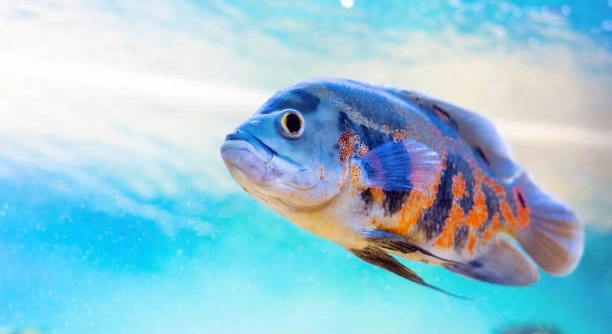
Oscar fish are popular for their unique personalities and vibrant colors. However, when it comes to sudden changes in their tank environment, their ability to handle the stress can be quite surprising.
Oscar fish are sensitive to sudden changes in water conditions, such as temperature, pH, or tank environment. Rapid shifts can lead to stress, which negatively affects their health. It is essential to introduce changes gradually to ensure their well-being.
By understanding the effects of sudden changes on Oscar fish, you can take steps to create a stable and healthy environment for them to thrive.
The Impact of Sudden Tank Changes on Oscar Fish
Oscar fish, like many aquarium species, are quite sensitive to changes in their environment. A sudden shift in water temperature, pH levels, or the addition of new tank mates can cause significant stress. Their immune system may become weakened, making them more susceptible to illness. When changes occur too quickly, the fish might also display signs of agitation such as rapid swimming, hiding, or refusing food. This stress can result in health issues, and in severe cases, it can be fatal. To keep your Oscar fish healthy, gradual adjustments are necessary. Introduce small changes over time and monitor the fish closely for any signs of discomfort.
Making small adjustments helps reduce the stress on your Oscar. A consistent tank environment is key to maintaining their health. With proper care, your fish will adapt better and thrive over time.
For example, if you plan to change the water temperature, do it slowly. Drastic changes, even within a few degrees, can shock the fish. Similarly, avoid sudden shifts in the pH levels. Regular testing of your water will help you keep track of the changes. Over time, your Oscar fish will become more accustomed to minor adjustments, but always err on the side of caution. By maintaining stability in the tank environment, you can help your fish live a longer, healthier life.
How to Minimize Stress for Your Oscar Fish
Oscar fish thrive in stable environments, but unexpected changes can cause significant stress. This can affect their eating habits and overall health.
One effective way to minimize stress is to ensure gradual changes in the tank. When changing water conditions or tank layout, take your time to avoid shocking the fish. This simple approach can make a big difference in their health and behavior.
Keeping the water temperature and pH steady is critical for Oscar fish. You should aim for a water temperature between 75°F and 82°F and a pH level between 6.5 and 7.5. Sudden fluctuations can throw off their biological processes. If the temperature needs to be adjusted, consider using a reliable heater with a thermometer. Also, make sure your filtration system is working properly to maintain clean and consistent water. Stable conditions reduce stress and support long-term health for your fish.
Signs of Stress in Oscar Fish
When Oscar fish experience stress from sudden tank changes, they often show physical and behavioral signs. These can include unusual swimming patterns, hiding more frequently, or reduced appetite. Monitoring these behaviors can help identify issues before they escalate.
A stressed Oscar may exhibit erratic swimming, darting around the tank or pacing in a specific area. They may also stop eating or refuse food altogether. If they hide more often than usual or show signs of lethargy, it’s essential to check the water quality and environmental conditions immediately. Additionally, fin clamping, where the fish holds its fins close to its body, can be a sign of distress. Always observe their behavior closely after any changes in the tank.
To prevent long-term damage, it is important to address the root cause of stress. If your Oscar shows persistent signs of discomfort, gradually return the tank conditions to a more stable environment. Taking the time to ensure gradual adjustments can help avoid serious health problems.
Adjusting Water Parameters for Oscar Fish
Adjusting water conditions carefully helps prevent unnecessary stress in Oscar fish. Dramatic changes can cause harm and stress, so it’s essential to make gradual changes to the water parameters.
For instance, when adjusting the temperature, increase or decrease it by no more than 1-2°F per hour. Rapid temperature changes can shock your Oscar fish and affect their immune system. If the pH needs adjusting, add chemicals gradually while testing the water frequently. Sudden changes in pH can lead to disorientation, illness, or even death. Similarly, avoid altering water hardness too quickly, as rapid changes can affect their ability to regulate their internal environment. Taking small, consistent steps ensures a healthier tank environment.
Regular water testing should be part of your routine to track stability and make adjustments as needed. Consider investing in an aquarium thermometer and pH tester to monitor levels more easily.
Tank Mates and Oscar Fish Stress
Oscar fish are territorial and can become stressed if their tank mates are introduced suddenly. Adding new fish without proper acclimatization can lead to aggression and stress.
When introducing new tank mates, it’s essential to do so gradually. This allows the Oscar to adjust to the presence of others without feeling threatened. Consider using a divider to separate the fish for a few days. This gives both the Oscar and new arrivals time to adjust to each other’s presence without direct interaction. Monitor interactions carefully once they are introduced.
Stress from tank mate issues can also manifest as fighting or hiding more often. If aggression is severe, separating the fish may be necessary to maintain a peaceful environment. This is particularly true with other aggressive species or when tank mates are too small.
Creating a Stable Environment for Your Oscar Fish
To maintain a stable environment for your Oscar fish, focus on consistency in water temperature, pH, and tank size. Oscars need a well-maintained, spacious tank to thrive.
Regular water changes are crucial to keeping the environment healthy. Aim for 25-30% water changes every 1-2 weeks. This helps prevent the buildup of harmful chemicals and keeps the water clean. Make sure your tank is at least 75 gallons, as Oscar fish can grow large and need ample space. The filtration system should be powerful enough to handle the waste produced by such a large fish.
Additionally, ensure that the tank has plenty of hiding spots, especially if there are multiple fish. Providing plants or structures helps reduce stress and gives your Oscar fish a sense of security.
Feeding Habits During Stress
During stressful times, Oscar fish may lose their appetite or refuse to eat altogether. This is common, but consistent feeding habits can encourage them to eat again.
Offer a variety of foods, such as pellets, live food, and frozen options, to stimulate their appetite. Avoid overfeeding, as excess food can pollute the tank and worsen stress. If your Oscar continues to refuse food for several days, check the water conditions to ensure they are optimal. Stress-related appetite loss can last longer if water conditions are poor.
FAQ
How can I tell if my Oscar fish is stressed?
Oscar fish exhibit several signs of stress, such as erratic swimming, hiding more than usual, and loss of appetite. They may also show lethargy or refuse to interact with other fish. Physical symptoms like clamped fins or rapid breathing can also indicate stress. If you notice any of these behaviors, it’s important to check the water conditions and tank environment.
What water temperature is ideal for Oscar fish?
Oscar fish thrive in temperatures between 75°F and 82°F. Keeping the water within this range promotes healthy metabolism and overall well-being. If the temperature fluctuates too much, it can stress the fish and make them more prone to illness. Always monitor the temperature closely with a reliable thermometer.
Can I add new fish to the tank with my Oscar?
Yes, but you must do so carefully. Oscar fish can be territorial and aggressive, especially if their space is threatened. It’s best to introduce new fish gradually, allowing them to acclimate. Start by using a divider to separate the new fish for a few days before allowing them to interact directly.
How often should I change the water in my Oscar fish tank?
Water changes should be done every 1-2 weeks, with about 25-30% of the water replaced each time. Regular changes help maintain water quality by removing toxins and waste that can build up. Consistent water changes also help prevent stress and promote better health for your Oscar fish.
Why is my Oscar fish not eating?
Loss of appetite is a common sign of stress. Your Oscar may be stressed due to sudden tank changes, poor water quality, or the introduction of new tank mates. Check the water parameters and make sure the temperature and pH are stable. If the problem persists, ensure the food is fresh and appropriate for your fish.
Can my Oscar fish live with other species?
Oscar fish can live with other species, but they require careful consideration of their tank mates. Oscars are carnivorous and may try to eat smaller fish. Species that can tolerate similar water conditions and are large enough to not be seen as prey are more likely to coexist peacefully with Oscars.
How big does an Oscar fish grow?
Oscar fish can grow up to 18 inches in length. They need a large tank to accommodate their size and to maintain water quality. A tank of at least 75 gallons is recommended for a single Oscar fish to ensure it has enough space to swim comfortably and thrive.
What should I feed my Oscar fish?
Oscar fish are omnivores and benefit from a varied diet. They will eat high-quality pellets, live foods like worms or feeder fish, and frozen food such as shrimp or bloodworms. Make sure the food is sized appropriately for your Oscar’s mouth, and avoid overfeeding, as this can lead to water quality issues.
How do I adjust the pH in my Oscar’s tank?
If you need to adjust the pH, it’s best to do so slowly. Adding pH buffers can help raise or lower the pH gradually. Test the water regularly to make sure the pH remains stable within the range of 6.5 to 7.5. Avoid making rapid adjustments, as this can stress the fish.
Is it safe to use chemicals to treat Oscar fish tank water?
Using chemicals can be effective for treating specific issues like high ammonia or nitrites, but they should be used sparingly. Overuse of chemicals can harm the fish and destabilize the tank environment. Always follow the manufacturer’s instructions and use them only when necessary.
How can I prevent stress in my Oscar fish?
To prevent stress, provide a stable environment. This includes maintaining consistent water temperature, pH, and regular tank cleaning. Avoid sudden changes, and make sure your tank is spacious enough for your Oscar to move freely. Reducing tank mate conflicts and providing hiding spots will also help reduce stress.
Can I keep multiple Oscars in the same tank?
Yes, you can keep multiple Oscars, but they are territorial and may fight if there isn’t enough space. It’s important to have a large tank (at least 125 gallons) and enough hiding spots to minimize aggression. Adding Oscars of similar size can also help reduce territorial behavior.
What should I do if my Oscar fish has fin damage?
Fin damage can occur from stress, fighting, or poor water conditions. Start by checking the water quality to ensure it is optimal. If the damage is minor, the fins will usually heal on their own. If the damage is severe or if there are signs of infection, you may need to isolate the affected fish and treat it with appropriate medications.
Do Oscar fish need a filter in their tank?
Yes, a strong filtration system is essential for maintaining water quality in an Oscar fish tank. Oscars produce a lot of waste, so having an efficient filter will help remove toxins and keep the water clean. A good filter also promotes healthy bacteria growth and helps stabilize the tank environment.
Why does my Oscar fish swim erratically?
Erratic swimming can be a sign of stress, poor water conditions, or disease. If the water quality is fine and the fish is still exhibiting strange behavior, consider checking for signs of illness, such as discoloration or lesions. If erratic swimming continues, it’s best to consult an aquarium professional for further advice.
How can I tell if my Oscar is healthy?
A healthy Oscar will have vibrant colors, swim smoothly, and interact with its environment. It should have a healthy appetite and swim actively throughout the tank. Pay attention to its fins—if they are open and spread, it’s a good sign. If the fish is hiding more than usual or showing signs of illness, check the water parameters and look for external symptoms.
Final Thoughts
Caring for an Oscar fish involves understanding their needs and providing the right environment for them to thrive. These fish are large, active, and territorial, meaning they need space and consistent care to remain healthy. Proper tank setup, water quality, and appropriate tank mates are crucial for keeping stress levels low. A stable environment where your Oscar feels secure is key to preventing aggression or health issues.
Maintaining a clean and stable tank with regular water changes is important for Oscar fish. They are particularly sensitive to changes in water temperature, pH, and cleanliness. A high-quality filter and regular monitoring of water parameters can help ensure a healthy and thriving environment. Keeping the tank large enough for an Oscar’s growth is equally important, as overcrowding can lead to stress and even fighting between tank mates. The right diet, consisting of varied foods, also plays a significant role in their health. Offering a mix of pellets, live food, and frozen options can keep them well-nourished and prevent health issues.
In conclusion, providing proper care for an Oscar fish requires attention to their environment, diet, and well-being. If you take the time to set up a stable tank, monitor the water quality, and introduce the right tank mates, your Oscar can live a long and healthy life. Stress, if managed carefully, can be minimized, leading to a happier fish. Whether you’re a beginner or experienced fishkeeper, keeping an Oscar requires patience and understanding of their needs.

Hello,
If you enjoy the content that we create, please consider saying a "Thank You!" by leaving a tip.
Every little bit helps us continue crafting quality advice that supports the health, happiness, and well-being of pets around the world, for pets of all shapes, sizes, and species.
We really appreciate the kindness and support that you show us!