
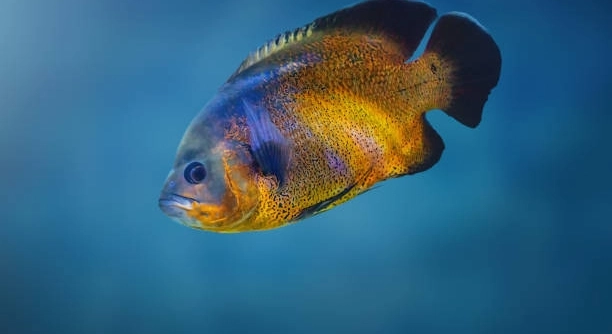
Oscar fish are known for their vibrant personalities and impressive size. As an owner, you want to make sure they are healthy and comfortable in their environment, which includes feeding them properly and observing any signs of stress.
Overfeeding Oscar fish can lead to stress, as it disrupts their digestive system, resulting in bloating or water quality issues. In severe cases, excess food can lead to poor health and a compromised immune system.
Understanding how food impacts your Oscar fish’s well-being is essential to their overall health. Keep reading to learn how to maintain a balanced diet for your fish and avoid causing unnecessary stress.
How Overfeeding Affects Your Oscar Fish
Overfeeding your Oscar fish can have several negative effects on its health. When you give them too much food, they can’t eat it all in one sitting, and the uneaten food sits in the tank. This leads to poor water quality, which can stress the fish. Excess food also causes digestive issues and may even lead to obesity, which can reduce their lifespan. Additionally, Oscar fish are not the best at managing large amounts of food. They might overeat without realizing the harm it’s doing to their body.
While the issue might seem minor at first, it can gradually worsen. Oscar fish can develop conditions like constipation or bloating, which can affect their overall well-being. Managing their food intake is key to keeping them healthy.
Remember, feeding them the right portion will also help maintain a cleaner tank. Less uneaten food floating around means less work for you to maintain good water quality, which will improve your fish’s health and comfort.
How Much Should You Feed?
Overfeeding can be avoided by giving your Oscar fish the correct portion size.
Oscar fish thrive on meals they can finish within a few minutes. A good rule is to feed them twice a day, providing just enough for them to eat in 3-5 minutes. Anything beyond that creates problems. They don’t need large portions for every meal. Instead, stick to feeding them a balanced amount each time, keeping track of their appetite and adjusting portions accordingly. If there’s any leftover food, reduce the portion size for the next meal. Consistent, moderate feeding helps maintain your fish’s health while preventing stress related to overfeeding.
The Impact of Poor Water Quality
Excess food leads to waste buildup, which can harm water quality. If leftover food is not removed quickly, it decomposes and releases harmful substances into the tank. This creates an unhealthy environment for your Oscar fish, leading to stress and potential illness.
A clean tank is vital for their health. Poor water quality can cause your Oscar fish to show signs of stress, like rapid breathing, lethargy, or even aggression. The more waste in the water, the harder it is to keep it clean. Keeping food portions in check reduces this risk.
Regular water changes are necessary, but maintaining proper feeding habits will reduce the need for frequent water treatments. By limiting overfeeding, you can make tank maintenance easier and improve the quality of life for your fish. Clean water means healthier, happier fish, and less stress overall.
Signs of Stress in Oscar Fish
Oscar fish display various signs of stress that can be related to overfeeding.
When stressed, they may stop eating or, conversely, overeat due to changes in their behavior. They might swim aimlessly or hide more often than usual. These symptoms may seem minor at first, but if not addressed, they can worsen. It’s important to keep track of their feeding schedule and overall behavior.
Watching your Oscar fish closely will help you spot signs of distress early. When you notice unusual behaviors, like hiding or aggression, check the food situation first. If you’re feeding too much, cut back and observe any changes in their mood or activity level.
Feeding Schedule and Consistency
Establishing a consistent feeding schedule for your Oscar fish is important for maintaining their health. Regular feeding times help regulate their digestion and reduce the risk of overfeeding. Stick to feeding them at the same time each day.
Consistency also helps keep track of their food intake. If you stick to the schedule, you’ll be able to notice any changes in their eating habits, which can indicate a problem. Try to avoid feeding them at irregular times, as this can lead to overeating or stress.
Types of Food to Offer
Oscar fish are carnivores, so they require a protein-rich diet. Offer them a mix of high-quality pellets, frozen foods, and occasional live foods like worms or shrimp. Each type of food has its benefits, providing a balanced diet.
Be sure not to rely too heavily on one type of food. Varying their meals ensures they receive the nutrients they need. Also, remember to feed them food that’s appropriate for their size and age. Overfeeding with any food type can cause problems, so portion control is key.
FAQ
Can Oscar fish eat too much food?
Yes, Oscar fish can eat too much food. Overfeeding them can lead to a variety of health issues, including bloating, constipation, and poor water quality. It also makes it harder to maintain a clean tank, as uneaten food breaks down and releases harmful substances. You should only feed your Oscar as much as they can eat in a few minutes. If there is leftover food, reduce the portion next time.
How often should I feed my Oscar fish?
You should feed your Oscar fish twice a day. Feeding them smaller portions at consistent times ensures that they eat what they need without overeating. Avoid feeding them large amounts at once, as they can become stressed by too much food in their environment.
What are the signs of overfeeding?
Signs of overfeeding in Oscar fish include uneaten food floating around the tank, cloudy water, or fish becoming lethargic. You may also notice that your Oscar fish starts to develop a bloated belly or shows signs of constipation, like struggling to swim. Reducing their food intake will help address these issues.
How do I know if I’m feeding my Oscar fish the right amount?
The right amount of food is typically what your Oscar can consume in about 3-5 minutes. If there is food left after that time, reduce the portion. Also, monitor their behavior. If they seem lethargic or if there’s a sudden spike in waste, this could indicate overfeeding.
Can I feed my Oscar fish live food?
Yes, Oscar fish enjoy live food, and it can be a great source of enrichment and nutrition. You can offer live foods like worms, shrimp, or small fish. However, keep in mind that live food should be given in moderation, as it can also contribute to overfeeding and water quality issues.
What type of food should I feed my Oscar fish?
Oscar fish are primarily carnivores, so they should be fed a protein-rich diet. High-quality pellets, frozen foods, and live food like worms or shrimp work well. Make sure to vary their food to ensure they receive a balanced diet. Avoid feeding them foods high in fillers, as this doesn’t provide proper nutrition.
Can Oscar fish eat vegetables or fruits?
While Oscar fish are carnivores, offering them small amounts of vegetables or fruits occasionally can add variety to their diet. Some vegetables like spinach or peas can be good for their digestive system, but make sure these are prepared properly. Remove seeds and any skins that may be difficult for them to digest.
How can I improve my Oscar fish’s digestion?
To improve your Oscar fish’s digestion, feed them smaller meals more often rather than large portions. Foods that are easy to digest, like high-quality pellets or small live food, are beneficial. Avoid overfeeding and make sure their diet is varied to prevent digestive issues.
Is it normal for Oscar fish to eat constantly?
Oscar fish can act as if they are always hungry, especially if they have been overfed in the past. However, this doesn’t mean they need food constantly. Stick to regular feeding schedules, and don’t fall into the trap of feeding them just because they beg for food. Overfeeding can lead to stress and health problems.
How can overfeeding affect the tank environment?
Overfeeding negatively impacts the tank environment by causing excess waste. The leftover food decays, leading to higher levels of ammonia, nitrates, and nitrites in the water. This worsens water quality and can stress your Oscar fish. Maintaining a proper feeding schedule helps prevent these issues, creating a cleaner and healthier environment.
What should I do if I accidentally overfeed my Oscar fish?
If you’ve overfed your Oscar fish, remove any uneaten food from the tank immediately. Perform a partial water change to help reduce the excess nutrients in the tank. Monitor your fish for any signs of distress, like lethargy or bloating, and adjust your feeding habits going forward to avoid repeating the mistake.
Can overfeeding lead to aggression in Oscar fish?
Yes, overfeeding can contribute to aggression in Oscar fish. Stress from poor water quality, digestive issues, and bloating can make your Oscar more irritable. Keeping their diet in check helps reduce stress, leading to calmer, healthier fish that are less likely to exhibit aggressive behavior.
Should I feed my Oscar fish before or after water changes?
It’s best to feed your Oscar fish after performing a water change. Feeding them right before or during water changes may stress them, as the tank environment is temporarily disturbed. After the water change, you can resume feeding, ensuring the tank conditions are stable for their digestion.
Final Thoughts
Oscar fish are amazing creatures, but keeping them healthy requires a bit of effort and attention to their feeding habits. Overfeeding is one of the most common mistakes fish owners make, and it can lead to a variety of problems, such as poor water quality, digestive issues, and stress. While it might seem like feeding them more food would be beneficial, it actually causes more harm than good. Sticking to a feeding schedule and offering the right portions can make a big difference in your Oscar’s health and overall well-being.
It’s important to monitor not only how much food your Oscar eats but also how much is left behind. Uneaten food can quickly deteriorate in the tank, affecting the water quality and creating a breeding ground for harmful bacteria. This can lead to stress and illness for your Oscar fish. By feeding them the correct portions, you reduce the amount of uneaten food in the tank, making it easier to maintain clean and healthy water. A consistent feeding routine also helps your Oscar fish adjust to a healthier lifestyle and prevents overfeeding from becoming an ongoing problem.
Remember that the key to keeping your Oscar fish happy and healthy is moderation. Offering a variety of foods, including high-quality pellets, frozen foods, and occasional live food, can provide the nutrients they need without overloading their digestive system. Pay attention to how your Oscar behaves after meals and adjust their food intake if necessary. Overfeeding can cause more harm than good, but with the right care and attention, your Oscar will thrive and show off its beautiful, vibrant colors for years to come.

Hello,
If you enjoy the content that we create, please consider saying a "Thank You!" by leaving a tip.
Every little bit helps us continue crafting quality advice that supports the health, happiness, and well-being of pets around the world, for pets of all shapes, sizes, and species.
We really appreciate the kindness and support that you show us!