
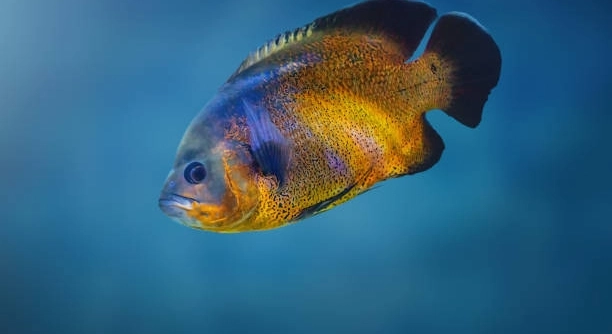
Oscar fish are popular pets known for their size and personality. However, many owners may be concerned about feeding them properly. Overfeeding can lead to various health problems, so it’s important to keep track of their diet.
Overfeeding an Oscar fish can cause issues like obesity, water pollution, and digestive problems. These fish are prone to overeating if given large quantities of food too frequently, so it’s essential to provide appropriate portion sizes and feeding intervals.
Understanding the signs of overfeeding and knowing how to maintain a balanced diet is key. This ensures your fish stay healthy and active for years to come.
Signs Your Oscar Fish Is Overfed
Overfeeding your Oscar fish can lead to several visible signs that may be easy to miss at first. One common indicator is a noticeable increase in the fish’s size, often accompanied by bloating. While Oscar fish grow quickly, excessive feeding can lead to rapid weight gain, which can stress their organs. Another sign is lethargy, where your Oscar may swim less or spend more time at the bottom of the tank. This lack of energy often indicates that their digestive system is overloaded.
Overfeeding also contributes to poor water quality, as uneaten food decomposes and leads to higher levels of ammonia. This not only affects your fish but can also harm the overall ecosystem in your tank. Regularly checking the water quality and observing your fish for any of these signs is essential in keeping your Oscar healthy.
Keeping your Oscar’s feeding routine consistent will help avoid these problems. Offering only what they can consume in a few minutes will help ensure they stay active and avoid overeating.
The Right Amount of Food for Your Oscar Fish
Feeding your Oscar fish the right amount is crucial. They require a balanced diet of protein, fiber, and healthy fats to stay strong and healthy.
To prevent overfeeding, offer your Oscar food two to three times a day. Only provide what they can eat in 3 to 5 minutes. If there’s leftover food, reduce the amount in the next feeding.
Why Overfeeding Can Harm Your Oscar Fish
Overfeeding your Oscar fish may seem harmless, but it can lead to serious health issues. One of the first problems you’ll notice is an increase in fat buildup, which can affect their internal organs and overall well-being. It also makes your fish more prone to illness.
In addition, overfeeding often leads to poor water quality. As uneaten food rots in the tank, it increases ammonia levels, which is harmful not only to your Oscar but also to any other fish living with them. This can cause stress, making your fish more susceptible to infections and diseases. Maintaining clean water and a balanced diet is essential for their health.
Proper portion control can help prevent these issues. It’s better to feed your Oscar smaller amounts more frequently, which reduces the risk of overfeeding. Keep an eye on their weight and behavior to ensure they are receiving the right amount of food.
How to Prevent Overfeeding
The best way to prevent overfeeding is to stick to a regular feeding schedule. Set a specific time each day to feed your Oscar fish, so they don’t become overzealous when food is introduced.
It’s important to observe how much your fish actually eat during each feeding. If there’s food left after 5 minutes, remove it to avoid excess waste. By monitoring this, you’ll ensure that your Oscar gets just the right amount of food for their needs. Avoid free-feeding, as this encourages overeating and disrupts their natural feeding pattern.
Effects of Overfeeding on Tank Water Quality
Overfeeding contributes to poor water quality by increasing waste buildup in the tank. As food decays, it releases harmful substances like ammonia, which can quickly affect water parameters. This puts stress on both the fish and any other creatures living in the tank.
A tank with high ammonia levels can lead to serious health problems for your fish, such as respiratory issues and weakened immune systems. Keeping the water clean by limiting excess food and doing regular water changes is essential to maintain a healthy environment for your Oscar.
How Overfeeding Affects Your Oscar’s Digestion
Oscar fish are prone to digestive issues when overfed. Their stomachs are not designed to handle large amounts of food at once. Overfeeding can cause bloating, constipation, and even more serious problems like impacted intestines.
When your fish overeat, their bodies may not be able to process the food properly, leading to discomfort. It’s crucial to monitor their behavior and adjust their portions if you notice signs of bloating or trouble swimming. Reducing their food intake can prevent these digestive issues from becoming severe.
Monitoring Your Oscar Fish’s Behavior
Watching your Oscar’s behavior closely is key to spotting early signs of overfeeding. If your fish becomes sluggish, has difficulty swimming, or stays near the tank bottom, it could be a sign of overconsumption.
FAQ
Can overfeeding cause my Oscar fish to get sick?
Yes, overfeeding can lead to several health issues for your Oscar fish. Excess food in the tank creates water pollution, raising ammonia levels. This leads to poor water quality, which stresses your fish and can result in illnesses. Additionally, overfeeding causes obesity, digestive problems, and even organ stress. It’s important to provide the right amount of food and monitor both the water quality and your fish’s behavior.
How often should I feed my Oscar fish?
Oscar fish should be fed 2 to 3 times a day. The goal is to offer small portions they can consume in about 3 to 5 minutes. Overfeeding, even once a day, can lead to health issues, so it’s essential to follow a routine. This helps prevent water contamination and ensures your fish stay healthy. You can also skip a feeding day every once in a while to help reset their digestive system.
What happens if I accidentally overfeed my Oscar?
If you accidentally overfeed your Oscar, monitor their behavior closely. They may appear lethargic or exhibit bloating, which can be signs of digestive discomfort. It’s important to remove any uneaten food after a few minutes to prevent water contamination. Perform a partial water change to keep ammonia levels in check. For future feedings, reduce the amount you give them to avoid overfeeding again.
How do I know if I’m feeding my Oscar too much?
If your Oscar fish seem sluggish, swim less, or have trouble staying afloat, these can be signs of overfeeding. Also, watch for bloating in their abdomen. If food remains in the tank for longer than a few minutes, you’re likely feeding too much. Keeping a consistent feeding schedule and sticking to recommended portion sizes is the best way to prevent overfeeding.
Can I feed my Oscar a variety of foods?
Yes, Oscar fish enjoy a varied diet. Offering a mix of high-quality pellets, live foods (like worms or insects), and frozen foods (like shrimp) can provide the nutrition they need. Just be careful not to offer too much food at once. Variety is good, but portion control is key to avoiding overfeeding.
What should I do if my Oscar refuses to eat?
If your Oscar refuses to eat, it could be a sign of stress, illness, or overfeeding. First, check the water quality to ensure there’s no issue. A sudden change in water conditions can cause them to stop eating. If the water is fine, observe your fish’s behavior for other signs of illness or injury. If they continue to refuse food, consult a vet who specializes in fish health.
How can I prevent overfeeding my Oscar in the future?
To prevent overfeeding, use a feeding schedule and measure out the portions before feeding. Make sure you’re only offering the amount they can consume in 3 to 5 minutes. It’s also helpful to avoid feeding them as a habit or out of boredom. Monitoring your fish’s weight and behavior will ensure you’re providing the right amount of food.
How does overfeeding affect my tank’s ecosystem?
Overfeeding negatively affects the ecosystem by increasing waste in the water. Uneaten food decomposes and releases ammonia, which is toxic to both your Oscar and any other tank mates. This disrupts the natural balance of the tank, making it harder to maintain healthy water parameters. The excess food can also promote algae growth, further contributing to poor water quality.
Is it okay to feed my Oscar once a day?
Feeding your Oscar once a day can be acceptable, but it’s better to split their meals into two smaller feedings. This keeps their digestive system in good condition and prevents overconsumption in one sitting. If you choose to feed once a day, ensure the amount is reasonable for one meal, without leaving uneaten food behind.
What types of food should I avoid giving my Oscar fish?
Avoid giving your Oscar fish processed foods, foods high in fat, or those that are difficult for them to digest. Stick with high-quality pellets designed for Oscars, as well as live or frozen foods. Avoid feeding them too much fatty food, such as certain types of fish or fatty meat, as it can lead to health problems.
Final Thoughts
Overfeeding your Oscar fish can lead to a variety of health and environmental issues. While it may seem harmless to give them extra food, it can quickly impact their digestion, water quality, and overall well-being. By keeping track of how much you feed your fish, you can ensure they stay healthy and happy. Consistent feeding schedules, proper portion sizes, and regular water maintenance are essential to prevent the negative effects of overfeeding.
It’s important to remember that every fish is different. Some Oscars may have larger appetites than others, but this doesn’t mean you should feed them more than necessary. Watching their behavior closely and adjusting the amount you feed based on their activity level can help keep them at a healthy weight. If you notice signs of overfeeding, like bloating or sluggishness, you should immediately reduce their food intake and monitor their health closely.
By paying attention to your Oscar’s feeding habits and taking a proactive approach to water quality, you can avoid many common issues associated with overfeeding. Regular tank maintenance, including partial water changes and ensuring the proper filtration, helps maintain a stable environment for your fish. Ultimately, providing your Oscar with the right amount of food, in the right conditions, is key to their long-term health and happiness.

Hello,
If you enjoy the content that we create, please consider saying a "Thank You!" by leaving a tip.
Every little bit helps us continue crafting quality advice that supports the health, happiness, and well-being of pets around the world, for pets of all shapes, sizes, and species.
We really appreciate the kindness and support that you show us!