
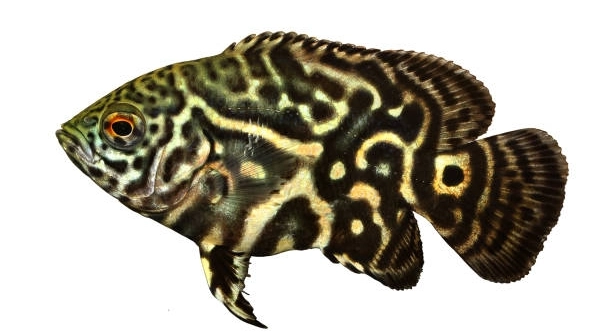
Oscar fish are popular pets known for their intelligence and vibrant personalities. Many people enjoy keeping them as companions in their home aquariums, but there are concerns about their well-being when they lack stimulation.
Oscar fish, like most fish species, can experience stress and boredom if not provided with sufficient stimulation. Without interaction or environmental enrichment, they may display signs of loneliness, such as lethargy, aggression, or repetitive behaviors.
Understanding the factors that contribute to an Oscar fish’s emotional and physical health will help ensure they thrive in your care. There are simple ways to keep them engaged and happy.
How Oscar Fish React to Loneliness
Oscar fish are intelligent and active creatures. They are known to bond with their environment and the people who care for them. If they lack stimulation, they may show signs of stress. While they do not experience loneliness in the same way humans do, they still require regular interaction. In the wild, Oscar fish are used to a constantly changing environment, so when confined to an aquarium with limited interaction or enrichment, they may feel unsettled.
When an Oscar fish becomes lonely, it may swim aimlessly or become unusually aggressive. These behaviors are often signs of stress rather than a desire for companionship. This stress can affect their overall health, leading to a weakened immune system or more severe health problems. To prevent this, offering them a stimulating environment is key.
Adding aquarium decorations, changing the layout, or introducing tank mates can provide new challenges and interest. Interaction from their owners, such as feeding them or simply spending time by the tank, can also help keep them engaged and prevent boredom.
Ways to Keep Your Oscar Fish Engaged
Creating a suitable environment for your Oscar fish involves more than just providing a clean tank and good food.
Oscars need both physical and mental stimulation to stay healthy. Changing the decoration in their tank can keep them curious and active. Fish also enjoy hunting, so adding live plants or a few non-threatening tank mates can provide them with challenges that help alleviate boredom. Additionally, Oscars are often fascinated by objects they can interact with, like mirrors or toys placed in their tank.
Engaging with your fish regularly, especially during feeding, also promotes their emotional well-being. Speaking to them or using feeding time to train them can make a noticeable difference. Keeping their environment clean and making occasional changes to the tank layout ensures they always have something new to explore. If kept in the right conditions, Oscars will show less stress and have a higher quality of life.
Signs of Stress in Oscar Fish
Oscar fish can show a range of signs when they are feeling stressed or lonely. These signs include erratic swimming patterns, hiding more than usual, or displaying aggression toward other tank mates. They might also lose their appetite or show disinterest in their environment.
Aggression, especially if they are typically peaceful, is a major indicator of stress in Oscars. If they begin to attack their tank mates or repeatedly swim in circles, it may be due to boredom or a lack of stimulation. These behaviors can lead to further issues, like injury or increased vulnerability to diseases.
Another common sign is changes in eating habits. Oscars are typically good eaters, but when they are stressed, they may refuse food or eat less than usual. A sudden change in behavior can indicate that something in their environment isn’t right. It’s important to address these concerns early to prevent long-term damage to their health.
How to Prevent Oscar Fish from Getting Lonely
Preventing loneliness in Oscar fish is simple if you know how to keep them stimulated. Adding aquarium decorations like plants, rocks, and hiding spots can help them feel more secure and reduce stress.
Oscars enjoy having space to explore and places to hide when they need rest. Arranging your tank to provide plenty of hiding spots encourages exploration and creates a dynamic environment. A larger tank with different levels of depth will also keep them engaged. It’s important to avoid overcrowding, as this can add stress.
Another way to prevent loneliness is by introducing a compatible tank mate. Oscars are often territorial but can live peacefully with fish of similar size and temperament. Ensuring that tank mates have enough space to avoid competition and aggression is essential for keeping Oscar fish relaxed and less lonely.
Effects of Boredom on Oscar Fish
Boredom can significantly impact your Oscar fish. Without stimulation, they may become lethargic, swim in repetitive patterns, or show signs of aggression. This lack of activity can also make them more prone to illnesses.
When Oscar fish are bored, they may stop interacting with their environment and display abnormal behavior like constant glass surfing or excessive hiding. These signs indicate that they are mentally under-stimulated, which can lead to emotional and physical decline. Maintaining their environment and providing constant stimulation can prevent these issues.
The Role of Tank Size in Reducing Stress
The size of the tank plays a crucial role in preventing stress for Oscar fish. They need a large space to swim around and feel secure. A cramped tank can cause them to become frustrated or territorial.
A minimum of 75 gallons is recommended for a single Oscar fish. Larger tanks give them more freedom to move and explore. This allows them to exhibit natural behaviors and reduces stress caused by feeling confined. Overcrowding should be avoided, as it can cause territorial disputes and worsen loneliness.
Tank Mates for Oscar Fish
Choosing the right tank mates for your Oscar fish is essential. Oscars can be territorial, so it’s important to select species that won’t provoke aggression.
Tank mates like larger cichlids, catfish, or other peaceful fish can live well with Oscars as long as they are similar in size and temperament. Smaller fish, however, can become easy targets for an Oscar’s aggression. Make sure to introduce tank mates slowly, allowing your Oscar to adjust to their new companions.
FAQ
Can Oscar fish live alone?
Oscar fish can live alone, but they require stimulation to prevent loneliness and stress. While they are solitary in the wild at times, in captivity, they thrive with interaction, environmental enrichment, and a suitable tank setup. Without these, they may become aggressive or exhibit unhealthy behavior.
How do I know if my Oscar fish is bored?
A bored Oscar may exhibit strange behavior, like glass surfing, swimming aimlessly, or constantly hiding. These signs often suggest that your fish is not mentally engaged with its environment. It’s important to provide activities like tank changes, new decorations, or interactive objects to keep them occupied.
Can Oscar fish get along with other fish?
Oscar fish can get along with other fish, but they are territorial and may become aggressive. It’s best to introduce tank mates that are similar in size and temperament. Small fish should be avoided, as Oscars may see them as prey. Larger, peaceful species like other cichlids often work well.
What size tank do Oscar fish need?
Oscar fish require a large tank to thrive. A minimum of 75 gallons is recommended for a single Oscar. The tank should be large enough to allow them to swim freely, explore, and avoid feeling cramped. Larger tanks also help maintain water quality and reduce territorial aggression.
How often should I change the water in an Oscar fish tank?
Oscar fish produce a lot of waste, so water changes should be done regularly. A 25-30% water change every week is ideal to maintain clean water and healthy conditions. Regular filtration maintenance is also important to prevent toxic buildups and ensure proper water circulation.
Do Oscar fish need a heater?
Yes, Oscar fish are tropical fish and require a heater to maintain the water temperature between 75°F and 80°F (24°C to 27°C). If the water is too cold, they can become stressed, which affects their immune system and overall health.
How do I prevent Oscar fish from getting aggressive?
Oscar fish can become aggressive due to poor tank conditions, overcrowding, or territorial disputes. To prevent aggression, ensure they have enough space, a clean tank, and a proper environment with decorations to create hiding spots. Providing suitable tank mates and keeping their environment calm also helps reduce aggression.
What should I feed my Oscar fish to keep them healthy?
Oscar fish are omnivores, so their diet should consist of both animal and plant-based foods. They enjoy live, frozen, or pellet foods such as shrimp, worms, and small fish. Offering a variety of food, including vegetables like spinach or peas, will help keep them healthy and prevent boredom.
Can Oscar fish live with plants?
Yes, Oscar fish can live with plants, but they may uproot or damage them due to their curious and often destructive behavior. Hardy plants like Anubias or Java Fern are better suited for Oscar tanks. Providing robust plants can still help create a more stimulating and visually enriching environment.
Why is my Oscar fish not eating?
If your Oscar fish is not eating, it could be due to stress, poor water conditions, illness, or a change in its environment. Check the water quality, ensure the temperature is correct, and examine the fish for signs of disease. If the problem persists, consider consulting a vet or aquarium expert.
Can Oscar fish recognize their owners?
Yes, Oscar fish are intelligent and can recognize their owners. They often associate their owners with food and will sometimes even swim toward the front of the tank when they see you. Spending time near the tank can help build a connection between you and your fish.
How long do Oscar fish live?
Oscar fish can live up to 10-15 years, sometimes longer, with proper care. Their lifespan is influenced by factors like tank size, water quality, diet, and stress levels. Maintaining a healthy environment and avoiding overcrowding can help your Oscar live a long, healthy life.
Do Oscar fish get lonely without other fish?
While Oscar fish may not experience loneliness in the same way humans do, they can become stressed or bored without enough stimulation. This can be caused by a lack of interaction with their environment or tank mates. Keeping them engaged through environmental changes and regular interaction helps prevent loneliness.
What is the best water temperature for Oscar fish?
The ideal water temperature for Oscar fish is between 75°F and 80°F (24°C to 27°C). Water that is too cold can stress the fish and lower their immune system, making them more vulnerable to diseases. A reliable heater is essential to maintain a stable temperature.
Are Oscar fish messy?
Yes, Oscar fish are messy eaters and produce a lot of waste. This is why it’s crucial to have a filtration system capable of handling their high waste output. Regular water changes and maintenance are necessary to keep the tank clean and maintain water quality.
Can I keep an Oscar fish with a pleco?
Yes, Oscars can live with plecos, especially species like the common pleco, as long as they are both large enough to coexist peacefully. Plecos are bottom dwellers and are not usually a target for an Oscar’s aggression. Ensure there’s plenty of space for both fish to avoid territorial issues.
Final Thoughts
Oscar fish are fascinating and intelligent creatures that require a stimulating environment to thrive. While they can live alone, they do need plenty of space and regular interaction to keep them mentally engaged and healthy. Without proper care, Oscars can become bored, stressed, and aggressive, which can negatively affect their health. By understanding their needs and creating a suitable environment, you can ensure your Oscar fish lives a long and happy life.
Creating a balanced tank setup for an Oscar includes providing enough space, adding decorations, and, if possible, introducing compatible tank mates. Ensuring the water temperature is maintained at an ideal level and performing regular water changes are also key factors in their well-being. Without these elements, Oscar fish may show signs of distress, which could lead to illness or a shortened lifespan. Keeping their tank clean and free from excessive waste is just as important as providing mental and physical stimulation.
At the end of the day, Oscar fish are rewarding pets that, with the right care, can live for many years. They may not need constant companionship, but they do need a stimulating environment, interaction with their owners, and proper tank conditions. By meeting their needs, you can prevent loneliness and boredom, ensuring that your Oscar fish remains active, healthy, and content for a long time.

Hello,
If you enjoy the content that we create, please consider saying a "Thank You!" by leaving a tip.
Every little bit helps us continue crafting quality advice that supports the health, happiness, and well-being of pets around the world, for pets of all shapes, sizes, and species.
We really appreciate the kindness and support that you show us!