
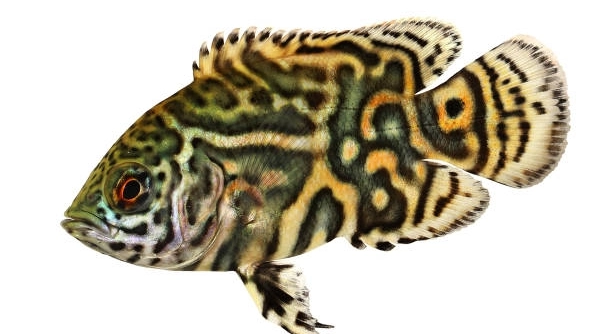
Oscar fish are known for their vibrant personalities and can make fascinating pets. However, there are concerns about how their environment might affect their well-being, especially when kept in empty tanks without stimulation.
Yes, Oscar fish can become depressed in empty tanks. A lack of stimulation, such as hiding places or interaction, may result in stress and behavioral changes. Their mental and physical health can decline if they are isolated and confined to an empty space.
Proper tank setups with plenty of enrichment can help maintain their happiness. By understanding their needs and providing the right environment, you can prevent depression and promote a healthy, active life for your Oscar fish.
The Importance of a Proper Tank Setup for Oscar Fish
Oscar fish are active swimmers and thrive in environments where they can explore and hide. Without decorations, plants, or even proper tank mates, they can become stressed. A bare tank limits their movement, which can negatively impact their health and behavior. Providing a setup with decorations, caves, and plants is essential to simulate a more natural habitat. Without stimulation, Oscars may start showing signs of depression, like hiding constantly, reduced appetite, or abnormal swimming behavior. This is why it’s important to set up their tank thoughtfully to maintain a positive environment.
Decorations and hiding spots offer both physical and mental stimulation for Oscar fish. Adding plants, driftwood, or rocks can help them feel secure. These features allow them to feel like they have space to explore and hide, just like they would in the wild.
Additionally, a well-thought-out tank layout also helps maintain clean water quality, which further promotes their health. A well-maintained tank leads to happier, healthier Oscar fish that feel more comfortable in their space.
What Happens When Oscars are Isolated
When Oscar fish are placed in an empty tank, they may experience stress due to lack of stimulation. This stress often leads to depression-like symptoms.
Oscar fish are social creatures. They interact with their environment, including tank mates and objects. Without enough stimulation, they might lose interest in eating and show little interest in moving around. Their behavior might change drastically, becoming lethargic or overly aggressive. These signs point to emotional distress, which often worsens with time.
While Oscars may be able to survive in a tank without decorations or companions, they will not thrive. Their physical health can also decline if they’re not mentally engaged. It’s not just about having a tank that meets basic needs; it’s about ensuring the environment encourages natural behaviors. Offering a proper tank setup with places to hide and swim around can drastically reduce the risk of your Oscar fish feeling depressed.
Signs of Depression in Oscar Fish
Oscar fish can show a variety of signs when they are depressed. These include hiding more often, swimming in circles, or failing to eat their food. They may also appear lethargic or overly aggressive, especially toward tank mates.
If your Oscar fish becomes less active, it might avoid interaction with you or other fish. This can be a clear sign that something is wrong. A lack of appetite is also a significant indicator that your fish is not feeling well. Other signs include erratic swimming patterns or staying in one spot for too long. These behaviors can all suggest that your fish is feeling stressed or depressed.
In some cases, Oscars may show aggressive behavior if they feel cornered or threatened in their environment. This can be another way they express their distress. When these changes happen, it’s important to assess the tank environment and see if improvements can be made to reduce their stress.
How to Improve the Tank Environment
Making simple changes to the tank setup can help ease the stress. Adding decorations like plants, rocks, and caves can create a more secure space for your Oscar. They’ll feel more comfortable exploring and moving around.
The layout of the tank should allow for natural swimming patterns and hiding places. Oscars often seek shelter when they feel threatened or stressed, so having spots where they can retreat will make them feel safer. This also gives them an outlet to explore and interact with their surroundings.
Along with physical objects, introducing compatible tank mates can also provide social stimulation. Oscars are social fish and will benefit from interacting with other peaceful species. However, make sure that these new additions do not cause stress or compete for food. The right tank environment can make all the difference in keeping your Oscar happy.
The Role of Tank Size in Oscar Fish’s Well-being
Tank size plays a big role in the happiness of Oscar fish. A cramped environment can increase stress and contribute to depression-like symptoms. Oscars need space to swim and explore comfortably.
A tank that’s too small may prevent Oscars from moving around freely, leading to frustration. Inadequate space can also create territorial issues, which makes the fish more stressed. It’s essential to have a tank of at least 75 gallons to ensure they have enough room to move and grow. Larger tanks with appropriate filtration will provide a healthier environment overall.
The Impact of Water Quality
Water quality is another critical factor in maintaining a happy, healthy Oscar fish. Poor water conditions can lead to stress, making Oscars more vulnerable to illnesses and depression.
Oscars are sensitive to changes in water parameters, such as pH levels, ammonia, and nitrite levels. Regular water changes and proper filtration are essential to maintain a stable environment. Without clean water, Oscars may become lethargic or show changes in behavior. Consistently monitoring the water will help keep your fish comfortable and reduce the risk of stress-related issues.
Social Interaction for Oscar Fish
Oscar fish can benefit from social interactions with compatible tank mates. While they are territorial, having the right company can reduce isolation-related stress.
Introducing peaceful species that won’t compete for food can provide social stimulation for your Oscar. Interacting with other fish gives them something to focus on besides the empty space in the tank. However, always keep in mind that Oscars should not be housed with aggressive or smaller fish, as they may cause harm.
FAQ
Can Oscar fish get lonely?
Yes, Oscar fish can experience loneliness, especially if they are kept in an environment without stimulation. While they are territorial and may not always enjoy the presence of other fish, they can still benefit from having some form of social interaction. If kept alone, they may become more withdrawn, show less interest in eating, or display signs of stress. Adding compatible tank mates can help ease the loneliness, but it’s important to carefully choose peaceful species that won’t provoke or stress the Oscar.
How can I tell if my Oscar fish is stressed?
Oscar fish show a variety of signs when they are stressed. Common symptoms include erratic swimming, loss of appetite, hiding more than usual, or aggressive behavior toward tank mates. If your Oscar is constantly swimming in circles or rubbing against objects in the tank, these could be signs of discomfort. Stress in Oscar fish can also result in faded color and lethargy. If you notice these behaviors, it’s essential to check the water quality and tank environment, as poor conditions often cause stress.
What is the best tank size for an Oscar fish?
Oscar fish require a minimum tank size of 75 gallons. While they can start in smaller tanks when they are young, they grow quickly and need more space as they mature. A larger tank allows them to swim freely, which helps prevent stress. It also provides ample space for decorations, hiding spots, and potential tank mates. Without proper space, Oscars can become territorial or agitated, which may lead to depression or other behavioral issues.
How often should I clean my Oscar fish tank?
Cleaning an Oscar fish tank is crucial to maintaining water quality. You should perform partial water changes at least once a week, replacing 25-30% of the water. Regularly check the water parameters, such as pH, ammonia, and nitrate levels, to ensure they are within safe ranges. In addition to water changes, you should clean the tank’s substrate, remove debris, and clean the filter regularly to keep the environment healthy for your Oscar fish. Avoid over-cleaning, as this can disrupt beneficial bacteria.
Do Oscar fish need other fish in their tank?
Oscar fish don’t necessarily need other fish in their tank, but they can benefit from the company of peaceful, compatible tank mates. While Oscars are territorial, they often get along with other fish if given enough space. It’s important to choose tank mates that are large enough to not be seen as prey and peaceful enough not to provoke the Oscar. Avoid small or aggressive fish, as Oscars might bully or even eat them. If you prefer to keep an Oscar alone, make sure their tank is equipped with plenty of enrichment to keep them mentally stimulated.
What are the signs of depression in Oscar fish?
Oscar fish show several signs of depression, including reduced appetite, erratic swimming, and hiding for long periods. They may also become more aggressive toward tank mates or appear lethargic. If your Oscar is losing interest in their surroundings, spending too much time at the bottom of the tank, or showing an unusual pattern of behavior, these could be signs of depression. Stress, isolation, and poor water conditions often contribute to these symptoms. Improving the tank environment and adding enrichment can help alleviate depression.
Can I keep an Oscar fish with other species?
Yes, but you need to choose tank mates carefully. Oscars are large, aggressive fish, so they should only be housed with other large, peaceful species that won’t compete for food or provoke aggression. Suitable tank mates include other large cichlids, certain types of catfish, or other large, non-aggressive fish. It’s essential to monitor interactions closely, especially during the first few days, to ensure compatibility. Smaller or more delicate fish are at risk of being harmed or eaten by an Oscar, so it’s important to avoid keeping them together.
How do I create a more enriching environment for my Oscar fish?
To create an enriching environment for your Oscar fish, include decorations, plants, and hiding spots in their tank. Adding caves, driftwood, and rocks will allow your Oscar to explore, hide, and feel more secure. It’s important to provide space for swimming and allow your fish to move freely. Adding a few tank mates, as long as they are compatible, can also help with social stimulation. Regular changes in their environment, like moving decorations around or introducing new objects, can help keep your Oscar mentally engaged and prevent boredom.
Can Oscar fish be kept in a bare tank?
While Oscar fish can technically live in a bare tank, it’s not ideal for their well-being. A bare tank offers little stimulation, which can lead to stress and depression. Oscar fish thrive in environments that resemble their natural habitat, which includes hiding spots, rocks, and plants. A bare tank can also make the Oscar feel exposed and vulnerable. Adding decorations and creating an environment that mimics their natural surroundings will keep your Oscar healthier and happier in the long run.
What should I feed my Oscar fish to keep them healthy?
Oscar fish are omnivores and require a varied diet to stay healthy. Their diet should include high-quality pellets, live or frozen food like worms, shrimp, or small fish, and occasionally vegetables like peas or zucchini. Feeding them a mix of these foods ensures they get the proper nutrients. Overfeeding can lead to obesity, so it’s important to provide the right amount of food for their size. Feeding your Oscar regularly, but not excessively, will keep them in good health and maintain their energy levels.
Final Thoughts
Oscar fish can be sensitive to their environment, and creating the right conditions is essential for their well-being. An empty or poorly decorated tank can lead to stress, depression, and unhealthy behaviors. Just like any pet, Oscar fish need more than just food and clean water to thrive. Their tank should provide plenty of space for swimming and exploring, as well as hiding spots for security. Without these elements, they may feel isolated and withdrawn, leading to depression-like symptoms. By paying attention to their environment and behavior, you can help them live a healthier, happier life.
The tank setup plays a crucial role in maintaining your Oscar fish’s mental and physical health. Proper tank size, water quality, and enrichment can go a long way in preventing stress. A 75-gallon tank or larger is ideal for adult Oscars, giving them ample space to grow and move around. Regular water changes and monitoring water conditions will help maintain a healthy environment. Adding decorations like plants, rocks, and caves will allow them to hide and explore, mimicking their natural habitat. Keeping an eye on your Oscar’s behavior and making adjustments to the tank as needed will help ensure they stay comfortable and content.
While Oscars can live alone, adding compatible tank mates can provide additional stimulation and reduce loneliness. However, it’s important to choose tank mates carefully, as Oscars are territorial and may show aggression toward smaller or more vulnerable fish. If you decide to keep your Oscar fish alone, make sure they have enough mental stimulation and physical space to prevent boredom and stress. By meeting their needs and providing a safe, enriched environment, you’ll help your Oscar fish live a long, healthy, and happy life.

Hello,
If you enjoy the content that we create, please consider saying a "Thank You!" by leaving a tip.
Every little bit helps us continue crafting quality advice that supports the health, happiness, and well-being of pets around the world, for pets of all shapes, sizes, and species.
We really appreciate the kindness and support that you show us!