
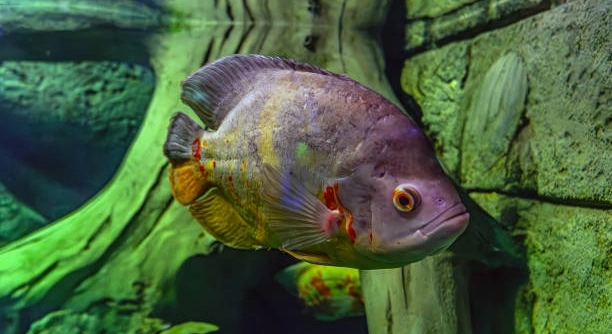
Oscar fish are active swimmers, and their environment can play a big role in their well-being. Keeping their tank clean and organized is crucial to their health. A cluttered tank may cause them stress or confusion.
Clutter in a tank can confuse Oscar fish, as they rely on clear spaces to navigate and find food. Overcrowded tanks can reduce their ability to move freely and cause stress, which may affect their overall health.
Understanding how clutter affects Oscar fish is key to creating a healthy tank environment. A well-organized setup will help them thrive.
How Clutter Affects Oscar Fish
A cluttered tank can lead to confusion and stress for Oscar fish. They are naturally territorial and need space to swim comfortably. Overcrowding decorations, plants, and other tank accessories can limit their swimming area, making them feel trapped. Stress is one of the biggest factors that can affect their health, and a cluttered tank can contribute to behavioral changes, including aggression or hiding.
Even though Oscars are resilient fish, they thrive in an environment where they can move freely. Their large size and need for space mean that anything restricting their movement can have a noticeable effect on their behavior. Too many decorations or improperly placed plants can also disrupt their feeding habits and cause them to struggle with finding food.
By creating an open, organized tank setup, you provide your Oscar fish with the space they need to feel comfortable and active. Keeping the tank uncluttered will also make cleaning easier, leading to healthier water conditions. A balanced setup promotes better physical and mental health for your Oscar fish, helping them to live a longer, more enjoyable life.
How to Organize the Tank
When setting up a tank for your Oscar fish, it’s best to keep it simple. Focus on a few key elements, like hiding spots, open swimming areas, and minimal decorations.
Providing your Oscar with sufficient space to swim freely is crucial. Avoid overcrowding the tank with too many plants or decorations. Instead, choose a few items that offer shelter without creating clutter. Oscars do appreciate hiding places, but it’s important not to block their movement entirely. A clean and open tank will allow your fish to swim naturally, and their overall behavior will improve. Keeping their environment organized also reduces the need for frequent tank maintenance. A simple setup will help your Oscar fish live a more comfortable and healthy life.
Tank Setup Tips for Oscar Fish
When setting up a tank for Oscar fish, focus on creating a spacious, organized environment. Use larger decorations sparingly to avoid overcrowding. Ensure they have enough open swimming space. Clean water and proper filtration are also key factors in maintaining a healthy tank.
Place a few large, smooth rocks or pieces of driftwood for hiding spots, but keep the middle open for swimming. Oscars are active swimmers and need a clear path to move around freely. Keeping the substrate clean is also essential for water quality. A large tank (at least 75 gallons) is ideal, as Oscars need room to grow. Avoid overloading the tank with plants or items that can trap debris. Ensure decorations are securely placed so they don’t tip over and harm your fish. With the right setup, Oscars can thrive and show their full vibrant personality.
Good filtration is essential for Oscar fish. Their large size and appetite can lead to more waste, so an efficient filter will help keep the water clean and oxygenated. A good filter should be able to handle the volume of water in the tank and ensure the conditions stay stable. Regular water changes and monitoring water parameters are also necessary to maintain the health of your fish. Consider installing a filter with a strong flow, but avoid placing it directly in the area where the fish swim to prevent creating too much current. The goal is to provide clean, stable water without stressing your fish out.
Importance of Space for Oscar Fish
Oscar fish need space to swim and grow. They can reach up to 18 inches in length, which means a cramped tank will stress them out. With the right amount of room, they will be more active and less likely to become aggressive or anxious.
A spacious tank setup provides the fish with enough room to express natural behaviors. Oscars like to explore their surroundings and may even rearrange items in the tank. By giving them more space, you reduce the risk of territorial aggression and improve their overall quality of life. The larger the tank, the better, as it allows for more decorations and hiding spots while keeping swimming areas clear. Ideally, a 75-gallon tank is recommended for one Oscar fish, with more space required if you plan to keep multiple fish. Space also improves water quality, as larger volumes of water can help maintain stable conditions for the fish.
Choosing the Right Decorations
When selecting decorations, opt for items that enhance the tank without cluttering it. Large rocks, driftwood, and smooth decorations are best. Avoid small, sharp objects that could harm your fish.
Place items strategically to create open swimming areas. A few well-placed decorations can provide hiding spots and visual interest. Just make sure to leave enough space for your Oscar fish to swim around without feeling trapped. Simplicity is key for both aesthetics and your fish’s comfort. When arranging the tank, always remember that open water is just as important as decorative elements.
Water Quality and Filtration
Maintaining water quality is essential for Oscar fish health. They produce a lot of waste, so filtration must be strong enough to keep the tank clean. Regular water changes are also important.
Use a filter rated for a tank larger than yours to ensure proper filtration. Oscars produce high amounts of waste, which can quickly degrade water quality. A good filter will keep the water clean and oxygenated. Besides the filter, check your water parameters regularly, especially ammonia, nitrite, and nitrate levels. High levels of these chemicals can cause stress and illness. Keeping water quality stable helps your Oscar fish thrive.
Lighting Needs for Oscar Fish
Oscar fish don’t require intense lighting, but it’s important to maintain a natural day/night cycle. Keep the lights on for around 10-12 hours each day.
FAQ
Can Oscar fish live with other fish?
Oscar fish can live with other fish, but they are territorial and may be aggressive. Choose tank mates carefully. Fish that are too small may become targets for the Oscar. Larger, more resilient species, such as catfish or large cichlids, can usually coexist with Oscars. Avoid adding too many fish, as overcrowding can lead to stress.
How often should I feed my Oscar fish?
Oscar fish are carnivores and require a diet high in protein. Feed them once or twice a day, offering them a variety of foods like pellets, frozen shrimp, or small fish. Be cautious not to overfeed, as this can lead to poor water quality and obesity.
How big does an Oscar fish get?
Oscar fish can grow quite large, reaching up to 18 inches in length. This means they need a spacious tank, typically at least 75 gallons for one Oscar. The growth rate can vary depending on the fish’s environment, diet, and care.
What temperature does an Oscar fish prefer?
Oscar fish thrive in warmer water, with an ideal temperature range between 75°F and 80°F (24°C to 27°C). Keeping the water within this range will help prevent stress and ensure optimal health. Make sure to maintain a stable temperature, as sudden fluctuations can harm your fish.
Do Oscar fish need a lot of space?
Yes, Oscar fish need plenty of space to swim and grow. A 75-gallon tank is the minimum recommended size for one Oscar. If you plan to keep multiple Oscars, you’ll need a larger tank to accommodate their size and reduce territorial issues.
How can I reduce aggression in Oscar fish?
To reduce aggression, make sure your Oscar has plenty of space to claim as its own. Avoid overcrowding the tank and provide hiding spots for other fish. You can also introduce tank mates slowly to reduce territorial behavior. Regular water changes and good filtration can also help keep aggression at bay.
Can Oscars eat live fish?
Yes, Oscar fish are known to eat live fish, especially smaller ones. While it’s not always necessary to feed them live food, it can mimic their natural hunting instincts. Be mindful of the types of live fish you feed them, as some can introduce diseases to the tank.
Are Oscar fish easy to take care of?
Oscar fish are relatively easy to care for, but they do require a bit of attention. They need a spacious tank, regular water changes, and a high-protein diet. While Oscars can be hardy, they are sensitive to water quality and temperature fluctuations.
How long do Oscar fish live?
Oscar fish have a lifespan of about 10 to 15 years when properly cared for. Providing a stable environment, proper diet, and regular maintenance can help them live a long, healthy life. Like most fish, they will live longer if their water conditions are kept optimal.
Why is my Oscar fish hiding?
If your Oscar fish is hiding, it could be stressed, sick, or simply trying to avoid aggression from other fish. Ensure the tank is not overcrowded and check water parameters. Poor water quality, aggressive tank mates, or sudden changes in the environment can cause them to hide.
Can Oscars be trained?
Oscar fish are intelligent and can learn basic behaviors. They can be trained to recognize their owner and may even beg for food when they see you. However, training an Oscar requires patience and consistent interaction, as they are not as responsive as some other species of fish.
What are signs of stress in Oscar fish?
Signs of stress in Oscar fish include reduced appetite, erratic swimming, excessive hiding, or color fading. Poor water quality, overcrowding, and territorial aggression can all contribute to stress. Ensure the tank is clean and the water conditions are stable to help reduce stress levels.
Should I quarantine new Oscar fish?
Yes, quarantine any new Oscar fish before introducing them to an established tank. This helps prevent the spread of diseases and parasites. Keep the new fish in a separate tank for at least two weeks, monitoring their health before allowing them into the main tank.
How can I tell if my Oscar fish is sick?
Sick Oscar fish may display unusual behavior such as lethargy, loss of appetite, or discolored spots on their body. Look out for signs like abnormal swimming patterns or visible lesions. If you notice any of these symptoms, test the water quality and consider consulting a vet or fish specialist.
Final Thoughts
Oscar fish are captivating and hardy creatures, but they require a bit of attention to thrive in a home aquarium. Their large size and active nature make them an interesting addition to any tank, but it’s essential to provide them with the right environment. A spacious tank, proper filtration, and a suitable diet are crucial for their well-being. Oscar fish do best in a tank where they can swim freely and explore, so ensure there’s enough space for them to move around without feeling confined.
While Oscar fish can live with other species, their aggressive tendencies mean that choosing tank mates is important. It’s best to pair them with other strong, large fish that can tolerate the Oscar’s behavior. Overcrowding should be avoided, as it can lead to stress and territorial issues. Additionally, keeping the water quality high through regular changes and proper filtration will reduce stress and help maintain a healthy environment. Oscars can be sensitive to poor water conditions, so keeping an eye on the temperature and chemical balance is key.
In conclusion, if you provide your Oscar fish with the right care, they can be a fascinating and rewarding pet. With proper tank maintenance, a healthy diet, and thoughtful consideration of their needs, Oscars can live for many years. Whether you’re a first-time fish owner or an experienced aquarium keeper, understanding the behavior and needs of your Oscar will help ensure that both you and your fish have a positive experience. By creating the right environment, you’ll have a thriving, healthy Oscar that will be a joy to watch for years to come.

Hello,
If you enjoy the content that we create, please consider saying a "Thank You!" by leaving a tip.
Every little bit helps us continue crafting quality advice that supports the health, happiness, and well-being of pets around the world, for pets of all shapes, sizes, and species.
We really appreciate the kindness and support that you show us!