
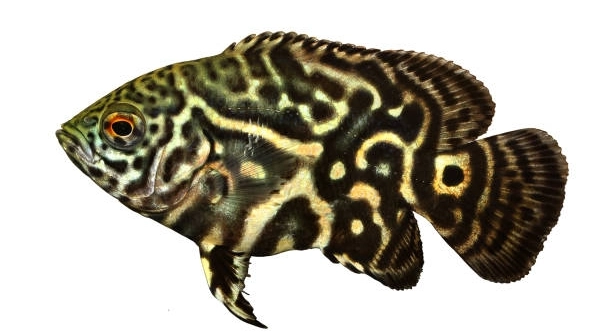
Oscar fish are popular aquarium pets, admired for their vibrant colors and unique behavior. Many owners wonder if these fish have sleep patterns similar to those of other animals. Understanding their sleep habits can help ensure they thrive in your tank.
Oscar fish do not have a distinct sleep pattern like mammals, but they do exhibit rest periods. They often become less active during the night and rest at the bottom of the tank or find a sheltered spot.
While they may not follow a clear sleep schedule, recognizing the times when your Oscar is least active can help you care for them better.
Understanding the Behavior of Oscar Fish
Oscar fish are known for their unpredictable and sometimes aggressive nature, but their sleep patterns can be just as elusive. Unlike mammals, they don’t follow a regular sleep cycle with periods of deep sleep and REM. Instead, their rest periods are influenced by factors like light levels and the aquarium environment. Oscars tend to rest more during the night, often staying in one spot, which can look like sleeping. However, they remain aware of their surroundings, and if something disturbs them, they will quickly become alert again. This can make it difficult for owners to determine if they are truly asleep.
Their need for rest can sometimes lead to concerns about their overall health. If an Oscar is consistently resting in a corner or at the bottom of the tank, it may indicate stress or an environmental issue, like poor water quality or overcrowding. While their resting state may look similar to sleep, understanding the cause of their inactivity can ensure they stay healthy.
Oscar fish will typically rest during the darker parts of the day. They tend to be most active when the tank lights are on. Monitoring their behavior at different times can help you identify patterns that suggest they are simply resting, not unwell.
Factors Influencing Their Rest Periods
Several factors affect when Oscar fish rest, and light is one of the most significant. Oscars are naturally more active during the day, especially when the aquarium lights are on. When the lights are off, they tend to become less active, likely entering a state of reduced movement. Their ability to stay alert during the night also plays a role in how restful they actually are.
If your Oscar fish are experiencing environmental stress, they may appear overly passive or inactive. Temperature changes, water quality issues, or loud noises can make them uneasy, leading to abnormal resting behavior. In some cases, Oscars may even rest in an upright position, pressed against the glass or tank decorations. This can be a sign of discomfort, not sleep. Maintaining a consistent, peaceful environment in the tank is crucial to support their natural resting habits.
Proper water quality is just as important. Clean, well-filtered water encourages a healthier environment, which can improve the overall restfulness of your fish. Keep the water temperature consistent and free from harmful chemicals. This will ensure your Oscar’s resting behavior isn’t a sign of illness or distress.
The Importance of Tank Environment
Oscar fish are sensitive to changes in their environment. The condition of the water, temperature, and available space can all impact their rest patterns. If they feel unsafe or stressed, their inactivity might be a result of discomfort rather than natural rest.
A clean, stable tank helps Oscar fish relax more. If the water quality is poor or the temperature fluctuates, they may stop moving and retreat to a corner. Overcrowded tanks can also stress them out. Oscars need room to swim and explore, which helps keep them active. Too many fish in a tank can make them feel trapped, leading to more downtime.
Oscars also respond to changes in their environment. Adding new decorations or other fish can disrupt their routine. When they are disturbed by changes, they may seek out a quieter spot to rest. Creating a consistent environment will help them feel secure and ensure their rest periods are more natural. Keeping their space calm is essential for their health and well-being.
Signs of Stress in Oscar Fish
If your Oscar fish seems overly inactive or spends too much time in one spot, it might be a sign of stress. Stress in Oscar fish can result from poor water quality, overcrowding, or sudden changes in their environment. Keeping an eye on their behavior helps you catch any issues early.
A stressed Oscar may display unusual resting habits. For example, if it spends extended periods at the tank’s bottom or presses against decorations, it could be a sign that something is wrong. Changes in appetite and erratic swimming patterns are also common indicators of stress. Identifying these early signs allows you to address the cause before it leads to more serious problems.
Providing a stable tank environment is the best way to reduce stress in your Oscar. Ensure the water temperature is consistent, and the water quality is high. Avoid making sudden changes to the tank, like adding new fish or decorations without giving your Oscar time to adjust.
Light and Its Impact on Oscar Fish
Light plays a key role in regulating Oscar fish’s rest. They respond to light patterns, typically becoming more active during the day and less so when it’s dark. The light cycle you provide affects their behavior, rest, and overall well-being.
Oscar fish can become stressed if their light cycle is disrupted. If the tank light stays on too long or is too bright, they may not rest properly. Try to keep a regular light schedule, mimicking natural day and night cycles. This will help them feel more comfortable and promote healthier behavior.
Resting vs. Illness in Oscar Fish
It’s important to differentiate between resting behavior and signs of illness. Oscars might rest a lot, but they should still show some activity when fed or disturbed. If your Oscar refuses to eat or seems disoriented, it could be a health issue.
Signs of illness may include abnormal swimming patterns, lack of appetite, or visible physical changes like discoloration or lesions. If your Oscar is more inactive than usual, it’s essential to observe for other symptoms. Acting quickly can prevent serious health problems, ensuring your fish stays healthy and vibrant.
The Role of Tank Size and Space
Oscar fish need a spacious tank to thrive. A cramped environment can lead to stress, affecting their rest patterns. A larger tank provides more room to swim, reducing anxiety and allowing them to rest more naturally.
A tank that’s too small for your Oscar can result in stunted growth and discomfort. Providing at least a 75-gallon tank is recommended for a single Oscar. This gives them enough space to explore and find a peaceful spot to rest.
FAQ
Do Oscar fish sleep like humans?
Oscar fish don’t sleep like humans. They don’t have a set sleep cycle, but they do rest during the night. Their rest periods are usually quieter times when they become less active. Oscars may rest at the bottom of the tank or find a hiding spot, but they remain alert to their surroundings.
How long do Oscar fish rest?
Oscar fish typically rest for several hours, usually at night when the lights are off. However, the exact amount of rest can vary based on environmental factors like light, temperature, and tank conditions. During the day, they are generally more active and tend to rest less.
Why is my Oscar fish always at the bottom of the tank?
An Oscar fish that spends most of its time at the bottom of the tank might be feeling stressed, ill, or uncomfortable. Poor water quality, overcrowding, or sudden changes in the tank can cause this behavior. It’s essential to check water parameters and look for any signs of illness.
What are the signs of stress in Oscar fish?
Signs of stress in Oscar fish include abnormal swimming patterns, lack of appetite, hiding more than usual, and excessive rest. They may also act more aggressively than normal or become unusually timid. Stress can be caused by poor water conditions, overcrowding, or sudden changes in the tank environment.
Can an Oscar fish get too much sleep?
While Oscar fish don’t follow a strict sleep pattern, getting too much rest could indicate an underlying problem. If your fish is consistently inactive, check the water quality and ensure the tank is not overcrowded. Stress or illness could also cause excessive resting.
Do Oscar fish sleep during the day?
Oscar fish are generally more active during the day when the lights are on, but they do rest during the day as well. They may retreat to a corner or a hidden spot when they feel it’s time to rest. This behavior often depends on the light levels and overall tank conditions.
Why is my Oscar fish not eating?
If your Oscar fish is not eating, it could be a sign of stress or illness. Changes in water conditions, temperature, or food type can also affect their appetite. Make sure to check the water parameters and consider whether the fish is stressed by new tank mates or decor.
How often should I feed my Oscar fish?
Oscar fish should be fed once or twice a day. Offering a varied diet of high-quality pellets, frozen foods, and occasionally live foods can help keep them healthy. Avoid overfeeding, as Oscars tend to overeat if given the chance. Always remove uneaten food to prevent water contamination.
Can my Oscar fish sleep at the top of the tank?
Oscar fish can rest at the top of the tank, but this is less common. They typically prefer the bottom or middle of the tank for rest, but they may choose to rest near the surface if they feel secure there. Always ensure the tank has enough hiding spots for them.
Is it okay to have tank mates with my Oscar fish?
Tank mates for your Oscar fish should be chosen carefully. Oscars can be territorial and aggressive, so it’s best to keep them with large, hardy fish that can handle their assertiveness. Avoid small fish that might be seen as food or stressed by the Oscar’s presence.
How do I know if my Oscar is sick or just resting?
It can be tricky to tell if your Oscar fish is just resting or unwell. If your Oscar is only resting occasionally, there’s likely no issue. However, if the fish is consistently inactive, not eating, or showing signs like faded colors or spots, it could be sick. Regularly monitoring their behavior will help you catch any health issues early.
What’s the ideal water temperature for Oscar fish?
Oscar fish thrive in water temperatures between 75°F and 80°F (24°C to 27°C). Water that is too cold or too warm can lead to stress and health problems. Maintaining a stable water temperature within this range will help your Oscar feel comfortable and rest properly.
Why does my Oscar fish swim in circles?
If your Oscar fish is swimming in circles, it could be a sign of stress, boredom, or poor water quality. They might also swim in circles if they’re looking for food or reacting to something in the tank. Ensure the water is clean and check for any other unusual behavior.
Can Oscar fish get lonely?
Oscar fish are solitary creatures by nature, so they don’t require the company of other fish. They might show aggression toward tank mates and prefer to be alone. However, keeping them in a properly sized tank with the right conditions can ensure they are content and healthy without the need for other fish.
How can I make my Oscar feel more comfortable?
Making your Oscar fish feel more comfortable involves ensuring they have plenty of space, clean water, and a peaceful environment. Avoid overcrowding the tank and provide hiding spots for security. Regular water changes and temperature checks can help keep your fish happy and healthy.
Do Oscar fish like decorations?
Oscar fish may enjoy hiding behind decorations or plants, but they often rearrange them or damage them due to their size and strength. It’s important to provide sturdy decorations that won’t easily tip over and make sure there’s enough open swimming space. Too many decorations can stress them out.
How big does an Oscar fish get?
Oscar fish can grow to be quite large, reaching lengths of 12 to 18 inches (30 to 45 cm) in captivity. As they grow, it’s essential to provide them with an appropriately sized tank. A 75-gallon tank is typically recommended for one adult Oscar to ensure they have enough space.
Is my Oscar fish stressed or sick?
It’s not always easy to tell whether your Oscar is stressed or sick, but there are key signs to look for. Stress can lead to more resting, hiding, or unusual behavior, while illness might cause them to stop eating, become lethargic, or show physical signs like lesions or faded colors. Regular observation will help you distinguish between the two.
Final Thoughts
Oscar fish are fascinating creatures with unique behaviors, and understanding their resting habits can help ensure they live a healthy and comfortable life. While they don’t sleep in the same way humans do, they do need periods of rest. Their resting behavior often depends on factors like light levels, water conditions, and the overall environment of the tank. Being aware of these factors can help you create a space that encourages natural rest while also ensuring they stay active and healthy during the day.
It’s important to remember that Oscar fish can be sensitive to their surroundings. If they appear to be resting more than usual, it’s essential to assess their environment. Poor water quality, overcrowding, or sudden changes to their tank can lead to stress, causing them to rest more than they would under normal conditions. Keeping their tank clean and stable is crucial for both their health and comfort. By observing their behavior regularly, you can tell whether they are simply resting or showing signs of stress or illness, which will allow you to address any issues early on.
Lastly, providing enough space and a peaceful environment is essential for an Oscar’s well-being. These fish are territorial and need room to swim and explore. A larger tank, proper tank mates, and a stable environment will support their natural behaviors and help them feel more comfortable. Monitoring their rest patterns, feeding habits, and general behavior will help you understand their needs better, allowing them to thrive in your care. With the right environment and attention, your Oscar can lead a healthy, active life while getting the rest it needs to stay happy and well.

Hello,
If you enjoy the content that we create, please consider saying a "Thank You!" by leaving a tip.
Every little bit helps us continue crafting quality advice that supports the health, happiness, and well-being of pets around the world, for pets of all shapes, sizes, and species.
We really appreciate the kindness and support that you show us!