
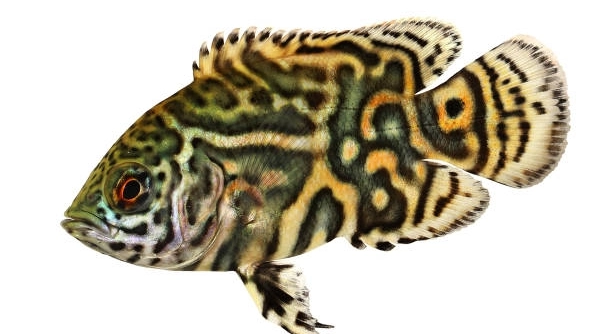
Oscar fish are fascinating creatures, known for their intelligence and distinctive personalities. Many pet owners wonder if these fish can follow a routine or schedule. Understanding their behavior can help you determine how best to care for them.
Oscar fish can form a routine schedule to a certain extent, especially when it comes to feeding times and activity levels. While they are not as rigid in their routines as some pets, they can anticipate daily events like feeding and light cycles.
By learning more about their habits and preferences, you can create a more structured environment for your Oscar fish. This helps to keep them healthy and stress-free.
How Oscar Fish React to Routine
Oscar fish can be surprisingly observant. They can start to recognize patterns in their environment. Over time, they associate specific actions, like the sound of the tank lid opening, with feeding time or other activities. This ability to learn and anticipate routine behaviors is an indicator of their intelligence.
Oscars are known to be curious and social. This means that if you’re consistent with their feeding times and tank maintenance, they will adapt to it. They’ll expect food around the same time each day and might even show excitement when they notice you’re near their tank.
A predictable routine helps reduce stress in Oscar fish. They thrive on consistency and feel safer when they can predict what will happen next. If you suddenly change their schedule, it can cause confusion, and they may stop eating or become agitated. By keeping a regular feeding schedule and maintaining stable tank conditions, you’ll see a more relaxed and healthier Oscar fish.
The Role of Light and Tank Environment
Oscars are sensitive to changes in lighting and tank conditions. They are creatures of habit, and the time of day when the lights come on or off can influence their behavior. When the light cycle is consistent, Oscars can align their actions with day and night rhythms.
Keeping your tank environment stable also encourages your Oscar to establish a routine. If their tank conditions fluctuate—such as temperature changes, water quality, or decoration rearrangements—they may become stressed. A stable environment, with regular water changes and appropriate tank maintenance, supports their well-being and encourages them to engage more naturally in a routine. It’s essential to keep their habitat consistent so that they can focus on their daily habits instead of being distracted by changes in their surroundings.
Feeding Schedules and Oscar Fish Behavior
Oscar fish are quick learners, and feeding times are one of the first routines they pick up. They’ll often swim to the surface as soon as they sense food is coming. Keeping a consistent feeding schedule helps your Oscar feel more secure and relaxed.
Consistency in feeding time also impacts their health. Feeding them at regular intervals ensures that they don’t overeat or become stressed from inconsistent feeding. Oscars can be prone to obesity if they’re fed too much, so stick to a schedule that’s best suited for their age and size. Over time, they will start to associate you with feeding time and anticipate it.
It’s best to feed Oscar fish once or twice a day, depending on their size and how much they consume. Make sure you don’t leave food in the tank for too long as it can affect water quality. Once you establish a feeding schedule, it’ll become a routine for both you and your Oscar.
Managing Tank Maintenance and Oscar Fish
Maintaining your Oscar’s tank on a regular schedule is crucial. They thrive in clean environments, so regular water changes and filter cleaning will help reduce stress and improve their overall health. Stick to a consistent maintenance schedule to avoid any sudden changes.
When you establish a routine for cleaning and maintaining the tank, your Oscar will adjust to it. They will begin to anticipate water changes, which helps prevent stress. The process of cleaning can even become part of their routine, as they might react in specific ways when you enter the room with cleaning tools. As long as the tank stays consistent, your Oscar will feel more comfortable in their environment.
Regular tank maintenance also supports their behavior. Consistent water quality helps keep the fish’s skin healthy and prevents infections. A clean tank with stable conditions helps your Oscar adjust to life in captivity, forming a natural routine based on the rhythms of their environment.
Light Cycles and Oscar Fish Routine
Oscar fish can develop a routine around light cycles. They can sense when the lights go on and off, linking these changes to the start or end of the day. Consistent lighting helps them adjust to a daily rhythm.
Establishing a regular light cycle is important for maintaining your Oscar’s health. They need to rest during the dark hours, and irregular lighting can disrupt their natural sleep patterns. Set a timer for your tank lights to ensure they go on and off at the same time each day. This stability helps Oscar fish feel secure.
Social Interaction and Oscar Fish
Oscar fish, while mostly solitary, can become accustomed to interaction. They may recognize their owners and expect to be fed or engaged with at certain times. Over time, these interactions can form part of their daily routine.
Establishing a predictable pattern of engagement, such as feeding at the same time each day, encourages your Oscar to feel more comfortable and confident. Even though they are not social in the same way as some other fish, they still thrive on routine interactions that make them feel safe.
FAQ
Can Oscar fish recognize their owners?
Yes, Oscar fish can recognize their owners over time. They are quite intelligent and can identify their caretakers through visual cues or even sound. They will often swim to the surface or come closer to the glass when they see you approach, especially during feeding times. As you continue to interact with them regularly, they may associate you with food and comfort. However, their bond is more based on routine rather than affection like some other pets.
How often should I feed my Oscar fish?
You should feed your Oscar fish once or twice a day, depending on their size and age. Overfeeding can lead to obesity and water quality issues, so it’s important to feed them the right amount. Stick to a schedule and offer only as much as they can eat in a few minutes to avoid leftovers in the tank. Remember, consistency is key, and they will start to expect food at specific times each day, helping them form a routine.
What is the best tank size for an Oscar fish?
Oscar fish need a large tank to thrive. A minimum of 55 gallons is recommended for one adult Oscar fish. If you plan to keep more than one, you’ll need a larger tank—at least 75 gallons. Oscars grow quickly and require enough space to swim around comfortably. A larger tank will also help maintain water quality and provide them with an environment that reduces stress.
Do Oscars need a specific water temperature?
Oscar fish prefer warm water, usually between 74°F and 81°F (23°C to 27°C). It’s essential to maintain a stable temperature in their tank to keep them comfortable. A reliable heater will help ensure that the water stays within this range. Fluctuating temperatures can stress your Oscar, making them more vulnerable to illness. Regularly check the water temperature with an aquarium thermometer to avoid sudden changes.
How do I keep my Oscar fish tank clean?
To maintain a clean tank, perform regular water changes, at least 25-30% of the water once every two weeks. You should also clean the filter regularly to ensure proper filtration. Oscars produce a lot of waste, so having an efficient filtration system is key to keeping the water quality high. Additionally, remove any uneaten food after each feeding to prevent it from decomposing in the tank. Regular cleaning helps avoid ammonia buildup, which can harm your Oscar.
Can Oscar fish live with other fish?
Oscar fish are generally aggressive and territorial, so it’s best to keep them with other large, robust fish. Smaller or more peaceful species may become targets for your Oscar’s aggression. If you do plan to house multiple fish, choose species that are similarly sized or can defend themselves. Always monitor their interactions, as Oscars can become more territorial as they age.
How can I tell if my Oscar fish is stressed?
Signs of stress in an Oscar fish include hiding, erratic swimming, loss of appetite, or clamped fins. Stress can be caused by poor water quality, overcrowding, sudden temperature changes, or aggressive tank mates. If your Oscar is stressed, try to identify and eliminate the source of stress, such as adjusting the water conditions or reducing the number of fish in the tank. A stressed fish may also start to exhibit signs of illness, so it’s essential to address any issues quickly.
What should I do if my Oscar fish stops eating?
If your Oscar stops eating, it could be a sign of stress or an underlying health issue. First, check the water quality and make sure it’s within the ideal range for your fish. If the water conditions are fine, consider if there have been any recent changes in the tank, like a new tank mate or environmental stressors. If the issue persists, consult a veterinarian or an aquarium expert to rule out any diseases or parasites.
How can I keep my Oscar fish entertained?
Oscar fish enjoy having objects to explore in their environment, such as rocks, caves, and plants. They are curious and may interact with these objects or even move them around the tank. Some owners provide toys or floating objects that the fish can push around, but be cautious of sharp edges. Regular interaction, such as feeding at the same time each day, can also provide stimulation. While they are not as playful as some species, maintaining an engaging tank environment helps keep them mentally active.
Is it safe to use an aquarium light for an Oscar fish?
Yes, using an aquarium light is safe for Oscar fish, but it should be part of a consistent light cycle. Oscars benefit from a regular day and night cycle, which helps them feel secure. Make sure the lights are not too bright or harsh, as Oscars may find this uncomfortable. A gentle light that mimics natural sunlight is ideal for promoting a healthy environment and allowing your Oscar to rest during dark periods.
Final Thoughts
Oscar fish are intelligent and adaptable, capable of forming routines based on their environment and daily activities. With a little consistency, you can help your Oscar fish feel more comfortable and secure in their tank. They will start to recognize patterns, such as when it’s time to eat or when the lights go on or off. Establishing a routine helps your fish settle into a natural rhythm, improving their overall well-being. The more stable the environment, the better your Oscar fish will adjust to their surroundings, making them more predictable and easier to care for.
Feeding times, water quality, and lighting cycles all play a crucial role in how Oscar fish develop their routines. They thrive on consistency, so sticking to a regular schedule for feeding and tank maintenance is important. When these factors are stable, your Oscar fish can better anticipate what comes next, reducing stress and promoting a healthier living space. Keeping the tank clean, offering appropriate food, and maintaining a steady environment will go a long way in ensuring that your Oscar fish stay healthy and happy.
While Oscar fish are not as interactive as some other pets, they do form bonds with their owners through routine. They may not display affection in the traditional sense, but they can show recognition and even excitement when they see you approach their tank. By establishing a predictable environment, you create a sense of security for your fish, making it easier for both you and your Oscar to build a smooth routine together. With proper care and attention, your Oscar fish can thrive and lead a fulfilling life in their aquarium.

Hello,
If you enjoy the content that we create, please consider saying a "Thank You!" by leaving a tip.
Every little bit helps us continue crafting quality advice that supports the health, happiness, and well-being of pets around the world, for pets of all shapes, sizes, and species.
We really appreciate the kindness and support that you show us!