
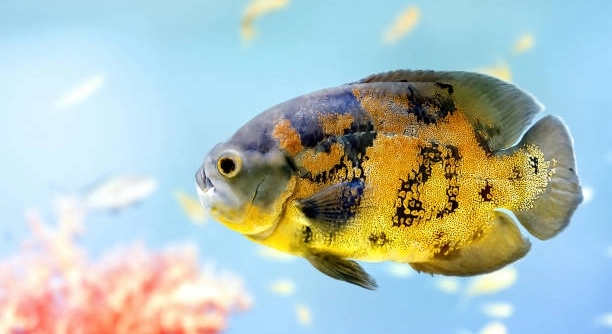
Oscar fish are known for their vibrant colors and unique personalities, but many wonder if they can form bonds with their owners. Understanding their behaviors can provide insight into their interactions and help you better care for them.
Oscar fish are capable of recognizing and reacting to their owners, often displaying signs of affection, such as following them around or coming to the surface for attention. However, the extent of this affection varies among individual fish.
While these behaviors may appear affectionate, there is more to understanding the bond between Oscar fish and their owners.
Can Oscar Fish Recognize Their Owners?
Oscar fish are intelligent creatures, and they can recognize their owners by sight, sound, and even smell. They tend to react to familiar voices or movements, which is a clear sign of recognition. When an Oscar fish sees its owner approach the tank, it may swim towards them or stay close to the surface. This behavior suggests that the fish feels comfortable and safe around its owner. Over time, Oscar fish may learn to expect feeding or attention at certain times, further solidifying their recognition and routine. Their reactions are often linked to positive associations, like food or play.
It’s important to note that while Oscar fish can recognize their owners, this doesn’t always equate to affection in the traditional sense. They may simply associate their presence with positive experiences like being fed or interacted with.
Understanding how Oscar fish interact with their owners can help improve the care and bond you share with them. They thrive in environments where they feel safe and stimulated, so regular interaction and mental engagement can make a difference. However, these interactions are typically driven by routine and not necessarily a deep emotional connection. Unlike mammals, Oscars may not form the same type of affection but show familiarity in their responses.
Understanding Oscar Fish Behavior
Oscar fish are known to display unique behaviors, which can sometimes seem like they are showing affection. For instance, they may swim up to the tank’s surface when their owners are near, or even follow them around the room.
These behaviors are usually driven by basic instincts and environmental cues rather than emotions. Oscar fish are territorial creatures, and their behavior may sometimes appear as a form of attachment, especially when they seek interaction during feeding times or when they feel secure in their environment. By observing their patterns, you can understand how they respond to different stimuli.
Recognizing that Oscar fish may not experience affection in the same way humans or even some other pets do is essential. Their behavior is primarily driven by routine and familiarity. This doesn’t mean that the bond between an Oscar fish and its owner is any less valuable; it just takes a different form than what we might expect. The key to a happy and healthy Oscar fish is providing a stable and enriching environment that supports their natural behaviors. This includes a consistent feeding schedule, clean water, and regular interaction.
The Role of Food in Oscar Fish Behavior
Oscar fish quickly learn to associate their owners with feeding times. They can become excited or swim to the surface when they recognize the presence of food. This connection is a strong motivator and often leads to behavior that might seem like affection. The anticipation of a meal creates a sense of attachment, but it’s primarily based on survival instincts.
Feeding plays a critical role in establishing trust and recognition with your Oscar fish. They may become more active or visibly excited when they see their owner approaching with food. Over time, this creates a routine, making them more familiar with your presence. However, while they recognize you as a source of food, their behavior may not be as complex as that of other pets that form stronger emotional connections.
It’s important to keep in mind that while Oscars associate their owners with feeding, this doesn’t necessarily mean they have a deep emotional connection. Instead, they form a relationship based on the predictability of food. Still, the way they react to your presence shows they recognize you as a reliable figure in their environment, contributing to the overall bond you share. Regular feeding times also help you build a sense of routine and familiarity, which is key to their comfort and well-being.
Creating a Stimulating Environment for Your Oscar Fish
Oscar fish require a stimulating environment to stay healthy and active. Regular interaction, such as moving objects in the tank or changing the layout, can help keep them engaged. They enjoy exploring and investigating new elements in their space, which also offers mental stimulation. Providing such an environment can enhance their overall well-being.
A stimulating tank environment can also lead to more noticeable reactions from your Oscar. When they are given opportunities to interact with different objects or experience changes in their surroundings, they may respond more actively. This engagement not only supports their mental health but also strengthens their comfort with their environment. Additionally, introducing tank mates can help foster social behavior, although some Oscars may prefer solitude.
While creating a stimulating environment doesn’t necessarily increase affection, it does create a deeper connection between you and your Oscar. When they feel secure in their habitat, they may show more comfort in your presence. Regular enrichment activities help prevent boredom and encourage natural behaviors, which can positively influence how they interact with you. It also ensures that your Oscar fish remains happy and healthy in their tank.
Signs of Affection in Oscar Fish
Oscar fish show recognition through consistent behaviors such as swimming to the surface when their owners are nearby. They may also follow movements or approach the glass. These actions might seem like affection but are often driven by routine and familiarity with their owner.
While Oscar fish can show interest in their owners, it’s mostly linked to their expectations of food or interaction. Their responses to your presence are usually driven by learned behaviors rather than genuine emotional attachment. This doesn’t mean they don’t appreciate your presence, but the connection is different from what we typically think of as affection.
How to Build a Bond with Your Oscar Fish
The best way to build a bond with your Oscar fish is through consistent care. This includes feeding them at the same time each day, maintaining their tank, and interacting with them regularly. Oscars thrive on routine and will become familiar with you over time.
Regular interaction, even if brief, allows your Oscar to recognize you as a reliable figure in their environment. They may begin to seek you out during feeding or when they sense movement near the tank. This recognition and familiarity strengthen their connection with you, even if it’s not emotional affection in the traditional sense.
Tank Setup for an Oscar Fish
Providing the right tank setup is crucial for your Oscar’s well-being. They require plenty of space to swim and explore. A well-maintained tank with appropriate water conditions will help your Oscar feel comfortable and secure, leading to more frequent interactions.
FAQ
Do Oscar fish bond with their owners?
Oscar fish are capable of recognizing their owners, but their bond is often based on routine rather than deep emotional attachment. They may associate you with food or regular care, and this recognition can lead to behaviors like following you around the tank. However, it’s important to remember that their “bond” is primarily driven by familiarity, not affection in the same way humans experience it.
How can I tell if my Oscar fish likes me?
Oscar fish show signs of recognition rather than affection. If your Oscar swims toward you when you approach the tank or follows your movements, it likely recognizes you. This response is usually linked to positive experiences, such as feeding or interaction. However, it’s important to understand that their behavior is more about routine than emotional attachment.
Can Oscar fish feel emotions like humans?
While Oscar fish display behaviors that might seem emotional, such as excitement when you approach, they don’t feel emotions in the same way humans do. Their behavior is more instinctual and related to their environment. They react to stimuli, such as feeding or changes in their surroundings, but this is not the same as human emotional experiences.
Do Oscar fish get lonely?
Oscar fish can experience stress if they are isolated for long periods, particularly if their environment lacks stimulation. However, loneliness is a complex emotion, and it’s unclear if Oscars truly experience it as humans do. They benefit from a well-maintained tank, occasional interaction, and mental stimulation, which helps keep them content.
How do I interact with my Oscar fish?
Interacting with your Oscar can involve feeding them, moving objects in the tank for them to explore, or simply sitting by the tank. Oscars enjoy a routine, so consistent feeding times help build trust and recognition. While they may not form deep emotional bonds, your presence and interaction create a sense of familiarity and comfort for them.
Can I train my Oscar fish?
Oscar fish are intelligent and can learn to associate certain actions with rewards, like food. However, training them like a dog or cat may not be realistic. You can teach them to come to the surface or react to feeding times by maintaining consistency, but their “training” is based more on routine and recognition than following complex commands.
Do Oscar fish need a tank mate?
Oscar fish can be kept alone or with tank mates, but they are territorial creatures. If you add other fish, it’s important to choose species that can coexist peacefully with Oscars, as they may become aggressive toward smaller or more timid fish. Some Oscars prefer to be solitary, so observe your fish’s behavior before adding a companion.
What size tank do Oscar fish need?
Oscar fish need a large tank to thrive. A minimum of 55 gallons is recommended for one Oscar, with an additional 20 gallons for each additional Oscar. This provides them with enough space to swim, explore, and establish territory. Proper tank size is essential for their health and well-being.
How do I keep my Oscar fish happy?
To keep your Oscar fish happy, focus on providing a stable environment with consistent water quality, a proper tank size, and regular feeding. Adding enrichment, such as rocks, plants, or objects to explore, can also help. While they may not show affection in a traditional sense, ensuring they are comfortable and stimulated will promote healthy behavior.
Why is my Oscar fish acting aggressive?
Aggression in Oscar fish is often due to territorial behavior, particularly if they feel threatened or if there is competition for space or food. This behavior is natural and is a way for them to assert dominance in their environment. Providing a larger tank and proper tank mates can help reduce aggression.
Can Oscar fish live with other species?
Oscar fish can live with other species, but careful selection of tank mates is necessary. They can be aggressive and may harm smaller or slower fish. Larger, peaceful species that can handle their territorial nature are ideal. Always monitor their interactions to ensure the safety and well-being of all fish in the tank.
How often should I feed my Oscar fish?
Oscar fish should be fed once or twice a day, depending on their size and activity level. It’s important to avoid overfeeding, as Oscars can be prone to obesity. A varied diet consisting of pellets, live food, or frozen options is recommended to ensure they receive all necessary nutrients.
What is the best water temperature for Oscar fish?
Oscar fish prefer a water temperature between 74°F and 81°F (23°C – 27°C). Maintaining this range helps keep them comfortable and promotes healthy metabolism. It’s also important to monitor the water quality, as Oscars are sensitive to poor water conditions, which can lead to stress and illness.
Why is my Oscar fish hiding?
Hiding can be a sign of stress, illness, or discomfort. If your Oscar is hiding frequently, check the water quality, tank conditions, and temperature. Poor water quality, sudden changes in the tank, or aggressive tank mates can cause your Oscar to seek refuge. If hiding persists, a visit to a vet may be necessary to rule out any health issues.
How do I maintain good water quality for my Oscar fish?
Maintaining good water quality involves regular water changes, checking the water parameters (pH, ammonia, nitrites, nitrates), and ensuring proper filtration. Oscars produce a lot of waste, so efficient filtration is crucial. Regularly test the water and clean the tank to keep it in optimal condition. This is essential for their health and comfort.
Can Oscar fish live with other Oscar fish?
Oscar fish can live with other Oscars, but they are territorial and can be aggressive toward each other. It’s best to house Oscars of similar size to avoid bullying. In some cases, two Oscars may coexist peacefully if the tank is large enough, but monitoring their behavior is necessary to prevent conflicts.
Final Thoughts
Oscar fish are fascinating creatures that can show signs of recognition and react to their owners. However, their behaviors are not driven by affection in the same way humans experience emotional bonds. Instead, Oscars form associations based on routine and food. They may approach the tank when they see their owner, but this is typically due to the anticipation of being fed or interacting with their environment. Understanding this behavior can help set realistic expectations about what it means for an Oscar fish to bond with its owner.
While Oscars may not form deep emotional attachments like pets such as dogs or cats, they can still recognize their owners and display behaviors that suggest they are familiar with them. Their actions are more based on habit and the desire for a stable, predictable environment. These fish are intelligent and can learn to associate certain actions, like feeding times, with positive outcomes. However, it’s important to remember that their connection is driven by routine rather than affection.
Caring for an Oscar fish involves providing a proper environment with adequate space, water conditions, and consistent care. By establishing a routine, you can create a sense of security for your fish, leading to more frequent interactions. This helps build a connection, but it’s crucial to manage your expectations. Oscars are not the same as traditional pets in terms of forming emotional bonds. Instead, they thrive in environments where they feel secure and are given proper attention.

Hello,
If you enjoy the content that we create, please consider saying a "Thank You!" by leaving a tip.
Every little bit helps us continue crafting quality advice that supports the health, happiness, and well-being of pets around the world, for pets of all shapes, sizes, and species.
We really appreciate the kindness and support that you show us!