
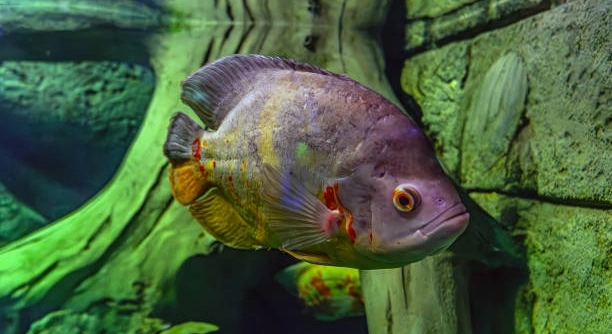
Oscar fish are fascinating creatures known for their unique personalities. As a pet owner, you might wonder if they can show emotions like joy or excitement. Understanding their behavior can reveal a lot about their feelings.
Oscar fish do not express joy or excitement in the same way humans do, but they exhibit behaviors that can indicate positive experiences, such as increased activity, interacting with their environment, and approaching their owners when fed.
Learning more about their behavior can help you understand how to make their environment more comfortable and engaging.
Understanding Oscar Fish Behavior
Oscar fish can be surprisingly interactive, especially when they feel comfortable in their environment. They are intelligent and can recognize their owners over time. When they’re happy, you might notice them swimming more actively or approaching the surface when you’re near. These behaviors can be seen when they anticipate food or just enjoy their space. They may also show excitement by swimming energetically or even by following your movements around the tank.
Their behaviors are closely tied to their environment and routine, so a change in either can influence how they act. Understanding their needs and preferences is key to ensuring they feel secure and content. Over time, you may notice little signs that show how your Oscar fish feels.
Oscars thrive in stable conditions and need plenty of stimulation. They enjoy having a clean and spacious tank, with some decorations to explore. Regular feeding and interaction also play a role in keeping them happy and engaged.
Do Oscars Show Attachment?
Oscar fish can form bonds with their owners, but these connections are based more on familiarity than affection. They are more likely to show interest when they associate you with feeding time.
They recognize routine, and consistent care helps them feel secure. An Oscar fish may start to show more excitement when you approach the tank, especially if it associates you with food or attention. Some owners have observed that Oscars follow them around the tank or become more active when they are nearby. It’s not the same as pet attachment, but it is a form of recognition. This behavior suggests that your fish trusts you and feels comfortable in your presence.
Providing them with a stable routine, space to swim, and opportunities for interaction can enhance their well-being. Like any pet, Oscars thrive when their environment meets their natural needs. So, if your fish seems to recognize you and responds positively, it could be a sign of a healthy, comfortable bond.
Signs of Happiness in Oscar Fish
Oscar fish display certain behaviors that can indicate happiness. When they feel content, they often swim actively and explore their tank. You might notice them darting from one spot to another, especially if they have enough space. They may also swim towards the surface when they see you, anticipating food or interaction.
A healthy, active Oscar is a good sign of well-being. They’re not just swimming randomly—they engage with their environment. A happy Oscar might also display some playful behaviors, like chasing small objects or swimming in circles. These actions show they’re comfortable and stimulated in their environment.
Providing a stable and clean environment, along with regular feeding, encourages happiness in your Oscar fish. It’s essential to offer both physical and mental stimulation through tank decorations and interaction. With proper care, an Oscar fish will demonstrate signs of contentment regularly.
How Oscars Respond to Feeding
Feeding time is one of the easiest ways to gauge how your Oscar fish feels. Oscars tend to show excitement when they see food coming their way. They may swim up to the surface and create bubbles or splash in the water. This behavior is often seen as a sign of eagerness and joy.
While they don’t show affection like some other pets, they can display a high level of excitement during feeding. If you feed them regularly and at the same time each day, they’ll begin to associate your presence with food. This recognition may lead them to approach the tank or swim energetically when you’re near. It’s a form of bonding, though it’s driven more by the reward system than emotional attachment.
Feeding Oscars at consistent times can also create a more stable routine for them. If they are accustomed to you being their provider, they may become more engaged during mealtimes, swimming actively and waiting near the surface for their food.
Oscar Fish and Tank Environment
The environment plays a crucial role in the behavior of Oscar fish. A clean tank with adequate space encourages natural behaviors. If their habitat is cluttered or too small, Oscars may become stressed or lethargic, showing less interaction. Proper tank care is key.
Providing hiding spots or decorations for your Oscar can help it feel secure and reduce stress. They are curious creatures, and having room to explore helps them stay engaged and active. With the right environment, Oscars are more likely to display positive behaviors, such as swimming energetically or approaching you when they’re comfortable.
Social Interaction with Other Fish
Oscar fish can be territorial and aggressive toward other tank mates. They prefer to have their space and may show signs of stress if overcrowded or housed with incompatible species. It’s important to choose tank mates wisely.
Some Oscars tolerate other fish, while others might become more aggressive, especially during feeding times or when they feel their space is threatened. Keeping a single Oscar or housing it with larger, peaceful fish can prevent conflict. Understanding your fish’s temperament will help maintain a peaceful and comfortable environment for all.
When Oscars Are Stressed
Stress in Oscars can be triggered by several factors, including water quality, overcrowding, or sudden changes in their environment. If stressed, they may display erratic swimming patterns, hide more often, or refuse to eat.
Maintaining a stable environment with regular water changes and appropriate tank size is vital. Ensuring the water temperature, pH, and filtration system are suitable can prevent stress. If you notice signs of stress, check the water conditions first and make adjustments as needed. Keeping Oscars in a calm and clean environment is crucial for their well-being.
FAQ
Can Oscar Fish Feel Happiness?
Oscar fish are capable of showing signs of contentment, but they don’t experience happiness in the same way humans or other animals might. They demonstrate comfort through active swimming and interest in their surroundings. A healthy Oscar will swim energetically, explore the tank, and often greet you during feeding time. These behaviors indicate that the fish feels secure and comfortable in its environment. Although Oscars don’t express happiness emotionally, their physical behaviors show that they are thriving in their space.
How Can I Tell If My Oscar Fish is Excited?
Oscar fish can display excitement, especially around feeding time. When they are eager for food, they may swim to the surface, splash around, or even create bubbles. They might also swim rapidly back and forth. These behaviors often signal enthusiasm and anticipation for their next meal. When Oscars are excited, they are usually more active and interact with their environment. This kind of excitement is driven by their instincts and their association of humans with food, rather than true emotional joy.
Do Oscar Fish Bond with Their Owners?
While Oscar fish do recognize their owners, their bond is not based on emotional attachment like dogs or cats. They can form associations with people, especially if they associate their presence with feeding or care. They may follow your movements, swim near you, or approach the surface when they see you. This shows recognition and comfort, though it’s more about routine and familiarity. Oscars tend to respond more to consistent care and feeding, which can lead them to engage more with their owners.
Why Is My Oscar Fish Swimming in Circles?
Swimming in circles can be a sign of stress, boredom, or poor water conditions. Oscars are curious, but if they don’t have enough space or mental stimulation, they might swim in repetitive patterns. It can also happen if the tank is overcrowded, or if the fish is feeling confined. In some cases, it may be a sign of an illness or discomfort. If you notice this behavior, check your tank size, water parameters, and other environmental factors to ensure everything is optimal for your Oscar.
What Should I Do if My Oscar Fish Stops Eating?
If your Oscar fish suddenly stops eating, it could be a sign of stress, illness, or water quality issues. First, check the water conditions, including temperature, pH levels, and ammonia levels. Poor water quality can lead to a loss of appetite. If the water quality is fine and the behavior persists, it might be a health issue. Observe your fish for any other signs of illness, such as abnormal swimming, lethargy, or discoloration. If necessary, consult an aquatic veterinarian.
How Often Should I Feed My Oscar Fish?
Oscar fish should typically be fed once or twice a day, with a varied diet that includes pellets, frozen or live food. Overfeeding can lead to water quality problems, while underfeeding can affect their health and growth. Make sure to remove uneaten food after a few minutes to prevent it from decomposing and polluting the water. Stick to a consistent feeding schedule to help your Oscar develop a routine and ensure they receive all the nutrients they need for a healthy, active life.
Can Oscar Fish Live with Other Fish?
Oscar fish can live with other fish, but their temperament can make it challenging. They are territorial and can be aggressive, especially if they feel crowded. It’s important to choose tank mates that are large enough to avoid being bullied and peaceful enough not to provoke the Oscar. Some compatible species include large tetras, plecos, and other larger fish that won’t compete for the same space or resources. Avoid small fish, as Oscars may see them as food. Providing enough space and hiding spots in the tank can also reduce aggression.
What Is the Ideal Tank Size for an Oscar Fish?
The minimum tank size for an Oscar fish is 55 gallons, though a larger tank is better for their well-being. Oscars can grow quite large, often reaching 12-14 inches in length, and they need plenty of space to swim and explore. A 75-gallon tank or larger is recommended for adult Oscars, especially if you plan to house more than one. A properly sized tank also allows for better water quality control and gives the fish the freedom to engage in natural behaviors.
How Long Do Oscar Fish Live?
Oscar fish can live anywhere from 10 to 15 years if given the proper care. Their lifespan depends on factors such as water quality, diet, and overall tank environment. Regular water changes, appropriate tank mates, and a balanced diet can all contribute to a longer, healthier life. Oscars that are well-cared for and kept in a stable, comfortable environment are more likely to reach their full lifespan.
How Can I Tell if My Oscar Fish is Sick?
Oscar fish show signs of illness through behavioral changes and physical symptoms. If your Oscar is lethargic, swimming erratically, or showing a lack of interest in food, these could be indicators of illness. Physical signs such as fading colors, lesions, or abnormal growths on the skin are also cause for concern. Check the water parameters regularly and look for any changes in behavior. If your fish displays any of these symptoms, it’s best to consult an aquatic veterinarian for advice on treatment.
Final Thoughts
Oscar fish are fascinating creatures with unique personalities. While they may not express joy or excitement in the same way humans do, they do show signs of being comfortable and engaged in their environment. Their behavior, like swimming actively or approaching the surface when you come near, is often a good indicator that they feel secure and well-cared for. Understanding how to read their body language and recognizing what makes them happy is essential for creating the best possible environment for them.
Taking care of an Oscar fish requires attention to their tank conditions, feeding routine, and overall well-being. They thrive in stable environments where water quality is consistently monitored and their space allows for exploration. Providing a proper tank size and choosing compatible tank mates is also crucial to reducing stress and preventing aggression. Regular water changes, a balanced diet, and appropriate interaction can help your Oscar fish live a long and healthy life.
While Oscar fish may not form emotional bonds in the way mammals do, they do develop an understanding of their surroundings and the people who care for them. They recognize routine and respond to consistent care. The excitement they show at feeding time or the interest they display when you approach their tank can be seen as a form of recognition and comfort. By understanding their behavior and providing the right care, you can create a positive and fulfilling environment for your Oscar fish.

Hello,
If you enjoy the content that we create, please consider saying a "Thank You!" by leaving a tip.
Every little bit helps us continue crafting quality advice that supports the health, happiness, and well-being of pets around the world, for pets of all shapes, sizes, and species.
We really appreciate the kindness and support that you show us!