
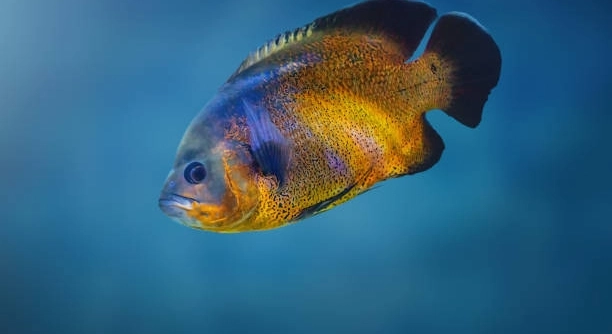
Oscar fish are known for their intelligence and territorial behavior, leading some owners to wonder if they can form lasting bonds with their environment. These fish can show unique interactions with their tank, but their loyalty is still debated.
Oscar fish may develop a sense of familiarity and attachment to their tank, but their loyalty is not as strong as that seen in some other species. Their behavior is more influenced by environmental factors and individual temperament.
Understanding these behaviors will help you better care for your Oscar fish, ensuring a healthier and more engaging tank environment.
Understanding Oscar Fish Behavior
Oscar fish are fascinating creatures that display intelligence and strong personalities. While they are often seen as territorial and assertive, their behavior can be shaped by a variety of factors, including tank size, water conditions, and even their interaction with humans. Unlike some species, Oscars do not show a clear, consistent attachment to one specific area of their environment. However, they can form a preference for certain locations in their tank, often based on comfort or food availability. This connection to their space can be seen as a form of “tank loyalty,” but it’s more about familiarity and routine rather than a deeper emotional bond.
They are known to recognize their owners, often swimming up to the tank’s surface when they approach. This reaction is usually linked to the anticipation of feeding or interaction, rather than a sign of loyalty in the traditional sense. In essence, Oscar fish form habits but not the same lasting connections that many other pets do.
In an aquarium setting, providing an environment that suits the natural instincts of an Oscar can encourage behavior that seems like loyalty. They are particularly sensitive to their surroundings and can show signs of stress if their environment is altered too drastically. A stable, consistent tank setup will encourage your Oscar to feel more secure and “attached” to its environment, even if its loyalty isn’t as deep as that seen in more domesticated animals.
Factors Influencing Oscar Fish Attachment
The behavior of Oscar fish is closely linked to their environment. Water temperature, tank cleanliness, and even the number of hiding spots available can significantly affect how comfortable they feel in their home. If these factors are not ideal, your Oscar may become more aggressive or withdrawn. Ensuring a balanced and well-maintained tank can make a significant difference in their behavior.
An Oscar fish may also show signs of attachment to a specific person, though this is more often linked to their association with food. They can recognize their owner’s presence and may respond more eagerly when that person is around. While this can be mistaken for loyalty, it’s more about routine and positive reinforcement than any deep emotional bond.
Oscar fish are intelligent creatures that can learn routines and habits. If they consistently experience positive interactions with their environment or their human caretakers, they may display behaviors that appear to show attachment. However, their loyalty to a specific person or place is influenced by practical needs, not emotional connection. They are simply responding to their environment in the way they are most comfortable.
Can Oscar Fish Recognize Their Owners?
Oscar fish are known for their ability to recognize familiar faces. They tend to associate certain individuals with food or interactions, which can create a sense of recognition. This is more about their memory and routine than emotional attachment.
Their ability to recognize their owners stems from their excellent vision and memory. Oscars can learn to associate specific people with feeding times, often swimming to the surface when their owner approaches the tank. While they don’t form deep bonds, their recognition can feel like a sign of loyalty.
This behavior also shows how Oscars adapt to their environment. They connect actions, like feeding, with certain individuals, creating patterns that help them anticipate what will happen next. They might respond more eagerly to their owner, recognizing that they provide food or attention. However, this recognition is not a strong emotional bond but rather a learned response to their routine.
The Role of Tank Size and Environment
The size and setup of an Oscar’s tank play a huge role in shaping their behavior. A larger, well-maintained tank allows them to feel more comfortable and establish territory. This can lead to more predictable behavior.
A cramped or poorly maintained tank can cause Oscars to become stressed, leading to more aggressive actions. In contrast, a spacious tank allows them to swim freely and explore, making them feel safer and more secure. Proper filtration and water quality are crucial for maintaining their health and reducing stress.
Oscar fish thrive in environments that resemble their natural habitat. Offering plenty of hiding spots and decorations will help them establish their space and reduce the chances of aggression. The more comfortable they feel, the more likely they are to display predictable behavior, giving the impression of attachment to their surroundings.
Do Oscar Fish Get Attached to Their Tank?
Oscar fish can form a kind of attachment to their tank, though it’s more about familiarity than loyalty. They tend to prefer stable conditions and may show signs of distress when their environment is altered.
This attachment is more about comfort and routine than emotional bonding. Oscars feel safer in a consistent environment, where they can establish territory and predict their surroundings. If their tank remains stable, they are likely to show more relaxed behavior, signaling a preference for that specific space.
However, this attachment should not be confused with a bond that is as deep as that of other pets. Oscars are still driven by instincts rather than emotional connections.
The Impact of Diet on Behavior
Diet plays a key role in shaping Oscar fish behavior. A proper, balanced diet can help reduce aggression and encourage more peaceful interactions with tankmates. Overfeeding, on the other hand, may cause health issues and stress.
Oscar fish are opportunistic eaters, so their feeding habits can sometimes lead to territorial behavior, especially if food is scarce. Offering varied, high-quality food helps to keep them healthy and satisfied, reducing the chance of aggressive tendencies. The right diet also ensures that they have enough energy to engage in normal, less stressed behaviors.
By maintaining a routine feeding schedule and offering a mix of foods, Oscars can feel more comfortable in their environment, reducing behavioral issues linked to hunger or dissatisfaction.
Can Oscars Develop Bonding Behaviors?
Oscars may display some bonding behaviors, such as following their owner around the tank or interacting during feeding. However, these actions are more about familiarity and anticipation of food, not emotional attachment.
Some Oscars may appear to “bond” with their owners, but this is mostly a learned response to the routine of feeding and interaction. Their behavior can be shaped by positive reinforcement, where they associate their owner with food and attention. While they might enjoy being fed by a certain person, it doesn’t equate to loyalty or a deeper bond.
This behavior is more akin to training than emotional connection, and the bond can be easily broken if their environment changes or if their feeding routine is disrupted.
FAQ
Can Oscar fish bond with other fish in the tank?
Oscar fish can form relationships with other fish, but these bonds are often based on territory rather than emotional attachment. They are known to be aggressive, especially with smaller fish or those that enter their space. However, some Oscars may show a level of tolerance toward tank mates, especially if they are of a similar size or species. Compatibility is key; peaceful tank mates are more likely to coexist without aggression. Ensuring a spacious tank and providing plenty of hiding spots can also help reduce territorial behavior.
Do Oscar fish need companions?
Oscar fish are solitary by nature. They do not require the company of other fish to thrive, as they can become territorial. In the wild, Oscars are often found alone, and this behavior is reflected in captivity. They prefer having their space and may act aggressively towards other fish that enter their territory. While they can be housed with other large, compatible fish, Oscars generally prefer solitude unless given ample space and the right tank conditions. It’s important to remember that their social needs are minimal compared to some other fish species.
What are the signs of stress in Oscar fish?
Oscar fish can show a variety of signs when they are stressed. Some common symptoms include erratic swimming, loss of appetite, and hiding more often. They may also develop white spots on their bodies or fins, which can indicate a parasitic infection caused by stress. Oscars may also exhibit aggressive behavior, even toward tank mates they usually tolerate. Environmental changes, poor water quality, or an inadequate tank size can contribute to these signs. It’s essential to monitor your Oscar’s behavior closely and ensure the tank conditions are optimal for their well-being.
How can I keep my Oscar fish happy?
Keeping an Oscar fish happy involves providing them with a stable and spacious environment. A large tank is essential, as Oscars grow quite large and need space to swim. Regular water changes are necessary to maintain clean water, and proper filtration is a must to keep their environment healthy. Offering a varied diet that includes both pellets and live food helps ensure they stay well-nourished. Additionally, maintaining stable water temperature and pH levels is crucial. Providing hiding spots and decorations allows your Oscar to feel secure and reduces stress.
Can Oscars live with other fish?
While Oscars can live with other fish, it’s important to choose tank mates carefully. Oscars are territorial and can become aggressive, especially toward smaller or more passive fish. Tank mates should be large enough to withstand potential aggression but not so large that they pose a threat to the Oscar. Some good tank mates for Oscars include other large, aggressive fish, such as cichlids or catfish. However, even with compatible species, it’s essential to monitor interactions and ensure that each fish has enough space to avoid stress or conflict.
How often should I feed my Oscar fish?
Oscar fish should be fed 2-3 times per day, depending on their age and size. Juvenile Oscars need more frequent feeding to support their rapid growth, while adult Oscars can be fed once or twice daily. It’s important not to overfeed, as Oscars are prone to obesity, which can lead to health issues. A varied diet is crucial, including high-quality pellets, frozen or live foods like worms, and occasional treats such as shrimp or small fish. Ensure that the food is appropriate for their size to prevent digestive problems.
What is the ideal tank size for an Oscar fish?
Oscar fish require a large tank to thrive. A minimum of a 55-gallon tank is recommended for a single Oscar, but larger tanks are ideal. As Oscars grow, they need more space to swim and establish their territory. For multiple Oscars or tank mates, a 75-gallon or larger tank is preferable. In addition to size, the tank should be equipped with a high-quality filtration system to maintain water quality. The water temperature should be kept between 75°F and 82°F, and the pH should be between 6.5 and 7.5 for optimal health.
Can Oscars be trained?
Oscar fish are intelligent and capable of learning certain behaviors, such as recognizing their owner and responding to feeding times. They can also be trained to perform simple tricks, like jumping for food or swimming through hoops. Training is typically done through positive reinforcement, where Oscars are rewarded with food when they perform the desired action. However, training should be approached with patience, as Oscars are not as responsive as some other species. It’s important to avoid overworking them and to ensure their environment is still their primary source of comfort.
Why is my Oscar fish acting aggressively?
Aggression in Oscar fish can be caused by several factors. They are territorial by nature and may act aggressively to defend their space. They can also become aggressive due to stress, especially if their environment is not ideal or if they are housed with incompatible tank mates. Aggression can also arise from hunger, as Oscars may become frustrated when their needs are not met. To reduce aggression, ensure that the tank is large enough, the water quality is good, and compatible tank mates are introduced. Additionally, maintaining a regular feeding schedule can help calm their behavior.
How do I know if my Oscar fish is sick?
Sick Oscar fish may show a variety of symptoms, depending on the illness. Common signs include abnormal swimming, loss of appetite, clamped fins, and discoloration. They may also develop white spots on their body or fins, which could indicate an infection like Ich. Oscars that are sick may isolate themselves from other fish or spend excessive time hiding. It’s important to keep a close eye on their behavior and physical condition. If symptoms persist, consider consulting a veterinarian or aquarium specialist to diagnose and treat the illness properly.
Final Thoughts
Oscar fish are fascinating creatures with complex behaviors. They can form a kind of attachment to their tank, but this is more about familiarity and routine than an emotional bond. They feel most comfortable in a stable environment where they can establish their territory and know what to expect from their surroundings. While they may show signs of interaction with their owners, these behaviors are typically related to food and routine rather than genuine emotional connections. Oscars can be quite independent, preferring their own space over companionship with other fish.
The key to a happy and healthy Oscar fish lies in providing the right environment. A large tank with proper filtration and stable water conditions is essential for their well-being. They thrive in a clean and spacious tank where they can swim freely and establish a comfortable territory. While they are generally solitary, some Oscars can live with other large, compatible fish. Careful consideration must be given to tank mates, as Oscars can be territorial and aggressive. Choosing the right companions and ensuring there is plenty of space can reduce the chance of aggression. A varied, balanced diet also plays an important role in keeping them healthy and content.
In the end, Oscars are resilient fish that can adapt well to their surroundings, as long as their needs are met. They may not form deep emotional bonds like some other pets, but they can still provide a lot of enjoyment for their owners. With the right care and attention, an Oscar fish can thrive for many years, offering both beauty and personality to your aquarium. By maintaining a stable environment and meeting their basic needs, you can ensure that your Oscar remains healthy and happy.

Hello,
If you enjoy the content that we create, please consider saying a "Thank You!" by leaving a tip.
Every little bit helps us continue crafting quality advice that supports the health, happiness, and well-being of pets around the world, for pets of all shapes, sizes, and species.
We really appreciate the kindness and support that you show us!