
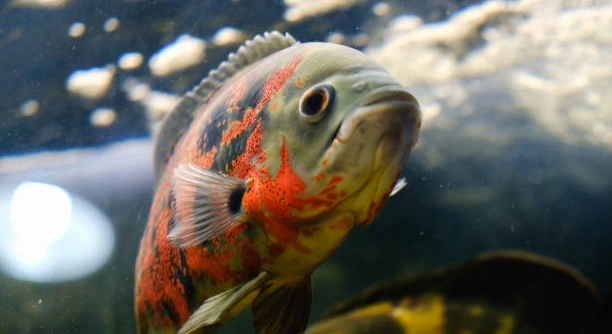
Have you ever watched your Oscar fish move around the tank and felt like it’s trying to connect with its surroundings—or even you?
Oscar fish can develop a sense of tank attachment due to their intelligence and territorial nature. They often recognize familiar environments and may even interact differently with specific people or objects in their space.
Understanding how these fish form bonds with their environment can help improve their quality of life and strengthen their behavior in captivity.
What Makes Oscar Fish Form Attachments
Oscar fish are known for their intelligence and sensitivity to their environment. In a tank they’ve lived in for a while, they tend to show signs of familiarity. They may come to the glass when they see you, or react differently when you clean or move objects. These behaviors suggest that Oscars don’t just live in a tank—they get used to it, and they respond to what’s familiar. This attachment isn’t the same as how a dog or cat bonds, but it’s a noticeable pattern. Regular feeding routines, interaction, and stable surroundings all play a role. Over time, Oscar fish start to associate specific people with food and security. These small patterns of behavior help build what we can see as a form of tank attachment. It’s subtle but consistent, especially if you’ve had your Oscar for a while and maintained the same tank setup.
Most Oscar fish show signs of tank recognition after just a few weeks in a stable setup.
While they don’t form deep emotional bonds, Oscars are aware of their space. They respond to routine and often react when things change. If you move something in their tank or switch out decorations, they might become withdrawn or aggressive. This isn’t random behavior—it’s their way of showing discomfort with changes in their surroundings. The longer a fish lives in a certain space, the more attached it becomes to that routine. Some owners notice their fish acting “moody” when tank conditions shift. These signs show that Oscar fish are creatures of habit. They thrive in predictable spaces and respond well to consistency. Tank attachment is more about environmental comfort and less about affection. Still, it’s meaningful. Understanding their behavior helps you keep their environment stable, which leads to better health and less stress.
Signs Your Oscar Fish Is Attached to Its Tank
Oscar fish may display certain habits that show comfort with their tank space. You might see them circling familiar areas or resting near specific decorations. These signs show that the fish is at ease.
The way Oscar fish behave in their tanks can tell you a lot about how they feel. If your Oscar rushes to the glass when you walk by or lingers near a favorite rock or plant, it’s showing a type of attachment. These behaviors don’t mean emotional love, but they do show recognition and comfort. An Oscar that is secure in its tank will have consistent eating habits, smooth swimming patterns, and low stress behaviors like gentle fin movement. In contrast, fish in new or changing tanks might hide, flare up, or refuse food. When you understand these patterns, it becomes easier to notice when your fish is comfortable—and when something might be wrong. Watching closely is key to knowing what your Oscar prefers and how to keep it settled.
How Environment Affects Attachment
Oscar fish depend heavily on consistency. A stable tank setup with regular light, temperature, and feeding schedules helps them feel secure. Sudden changes or constant disruptions can cause stress, which may reduce their comfort and connection to the space.
Keeping the tank environment stable is one of the best ways to support a healthy Oscar. Temperature should stay within the ideal range of 74–81°F. Filters must run smoothly to avoid water spikes, and lighting should mimic a regular day-night cycle. Changes like shifting décor, removing hiding spots, or adding new fish can make Oscars unsettled. They may begin to act skittish, refuse food, or lash out. On the other hand, when their environment remains familiar, they often develop calm and steady habits. You’ll notice they swim in the same areas, respond to you more actively, and settle into a predictable routine. This is a strong sign of environmental attachment.
Decor plays a subtle role in tank attachment. Oscar fish often claim areas of the tank as their own—like a specific log or rock. They hover around these spots and sometimes guard them. When these items are removed, it can cause confusion or stress. You might see your Oscar hiding more or showing signs of aggression. To avoid this, it helps to keep favorite objects in place or slowly introduce new ones over time. If the tank setup supports their natural behavior, Oscars are more likely to relax and stay engaged with their environment. A consistent space makes a noticeable difference in their behavior.
How Human Interaction Plays a Role
Oscar fish often respond to the people who care for them. They start to recognize patterns, such as feeding time or familiar voices. Regular interaction, even something simple like tapping the glass or standing nearby, helps build recognition and comfort.
Many Oscar owners notice that their fish seem to respond differently to them than to strangers. This isn’t just random. Oscar fish associate people with actions—especially feeding. If you’re the one feeding them every day, they’ll come to expect you and may react more energetically when they see you approach. Some even follow your movements or wait at a certain part of the tank. While this isn’t affection in the way we understand it, it’s a sign of awareness and learned behavior. The more predictable and gentle your interactions, the more responsive your Oscar may become. This consistency helps build a calm and trusting environment, strengthening their overall attachment to their space and routine.
Changes That May Break Attachment
Moving an Oscar fish to a new tank can disrupt its behavior. It may become withdrawn, hide more often, or stop eating. The sudden shift in space removes the comfort it had built in the previous tank.
Frequent tank cleaning or rearranging decorations too often can also cause distress. While maintenance is important, changing too much at once may confuse the fish. Keeping core parts of the setup the same helps reduce stress and maintain a sense of familiarity.
Do Oscars Attach to Tank Mates?
Oscar fish do not usually form strong bonds with other fish. They are territorial by nature and may become aggressive if they feel crowded or threatened. If tank mates are introduced, it’s best to choose species that are large, calm, and can defend themselves if needed. Even then, behavior should be monitored closely. Some Oscars will tolerate others in their space over time, while others may never fully accept them. Compatibility depends on the individual fish and tank setup. It’s safer to provide enough space, hiding spots, and separate feeding zones to reduce conflict and allow room for adjustment.
Final Thoughts on Attachment
Oscar fish may not feel emotions the way humans do, but they clearly notice and respond to what’s familiar. Their routines and comfort with their tank matter.
FAQ
Can Oscar fish form emotional bonds with their owners?
Oscar fish are intelligent, and while they may not form emotional bonds like dogs or cats, they do recognize their owners. Over time, they learn to associate you with food and care. They may come to the glass when you approach or even follow your movements around the tank. This isn’t affection in the traditional sense, but it shows that they recognize you as part of their environment. Regular interaction, like feeding or tapping on the glass, reinforces this recognition, and they may respond more to you compared to strangers.
Do Oscar fish get lonely?
Oscar fish are solitary by nature and don’t need constant companionship like some other species. They are territorial and may prefer to be alone in their tank. While they may show recognition of their owners, they don’t experience loneliness in the same way humans or social animals do. However, if the tank is too empty or lacks stimulation, they may exhibit signs of boredom or stress. Adding different hiding spots or tank decorations can help keep them engaged without the need for tank mates.
How do I know if my Oscar fish is stressed?
Stress in Oscar fish can be seen through several signs. If your Oscar is hiding frequently, swimming erratically, or showing aggression, it may be stressed. Other symptoms include a lack of appetite, unusual color changes, or damaged fins. Stress can be caused by environmental changes, such as fluctuating water temperature or poor water quality, or due to sudden disruptions in the tank setup. If you notice these signs, it’s important to check the tank’s conditions and reduce any sources of stress. Providing a stable environment can often help them settle down.
Do Oscar fish need tank mates?
Oscar fish are not very social when it comes to tank mates. They are territorial and can be aggressive, especially with smaller fish. It’s possible for them to coexist with other large, calm fish, but the tank should have enough space for everyone to avoid competition. If you do decide to add tank mates, be sure they are large enough to hold their own. Keep an eye on any signs of aggression, and always provide plenty of hiding spots or separate areas within the tank to give your Oscar some space. If you’re unsure, it’s safest to keep Oscars alone.
How often should I feed my Oscar fish?
Oscar fish should be fed once or twice a day. They are opportunistic eaters, meaning they will eat when food is available. It’s important to avoid overfeeding, as this can lead to water quality issues and health problems. A varied diet is essential for their health—feed them a combination of pellets, live or frozen foods, and occasional treats like shrimp or worms. Be mindful of portion sizes, as Oscars are prone to obesity if given too much food. Always remove any uneaten food after feeding to prevent it from contaminating the water.
Can Oscar fish live with other fish?
Oscar fish can live with other fish, but it’s important to select tank mates carefully. Oscars are known to be aggressive, particularly towards smaller fish. Fish like large catfish, cichlids, or fast swimmers can sometimes coexist with Oscars, but tank size and fish behavior should always be considered. Overcrowding can lead to stress and aggression, so it’s essential to ensure there’s enough space for everyone. Introduce new tank mates slowly, and monitor interactions closely. If your Oscar shows signs of aggression or stress, consider separating them to avoid harm.
How do I make my Oscar fish feel comfortable in its tank?
Creating a comfortable environment for your Oscar fish involves maintaining stable water conditions, providing enough space, and keeping a consistent feeding routine. Oscars like tanks that mimic their natural environment, so include hiding spots like caves, rocks, or plants. It’s also important to maintain the correct water temperature between 74°F and 81°F and ensure the filtration system is working properly. Regular water changes and avoiding drastic shifts in tank conditions can help your Oscar feel secure. Stability is key—if the environment remains predictable, your Oscar will settle in and develop a stronger connection to its space.
Why is my Oscar fish hiding all the time?
If your Oscar is hiding more than usual, it could be a sign of stress or discomfort. This behavior may occur if the tank conditions aren’t ideal, such as poor water quality, incorrect temperature, or overcrowding. Other factors include territorial behavior or conflict with tank mates. Oscars are naturally solitary, and if they feel their space is being invaded, they may retreat to a hiding spot. If you notice consistent hiding, check water parameters and observe the behavior of other fish in the tank. Providing more hiding spots and reducing stressors can help encourage your Oscar to come out and swim freely.
Can I keep multiple Oscar fish in one tank?
Keeping multiple Oscar fish in one tank is possible, but it requires a large tank and careful management. Oscars are territorial, and two or more in the same tank can lead to aggression, especially if they’re not of similar size or strength. A 75-gallon tank is the minimum recommended size for a single Oscar, so if you’re keeping two or more, you’ll need an even larger tank. Be ready to separate them if aggression becomes a problem. It’s also essential to monitor behavior and ensure each fish has enough space to establish its territory.
How long do Oscar fish live?
Oscar fish can live for 10 to 15 years in captivity if they are well cared for. Their lifespan depends on factors like water quality, diet, and the stability of their environment. Regular water changes, proper feeding, and a well-maintained tank can help them live to their full potential. If they are stressed or kept in poor conditions, their lifespan may be shortened. With the right care, your Oscar can thrive and remain a part of your aquarium for many years.
Oscar fish are fascinating creatures, known for their intelligence and distinct personalities. While they may not form emotional attachments like pets such as dogs or cats, they certainly develop a strong sense of attachment to their environment. They are creatures of habit, and when their tank is stable and familiar, they thrive. Oscars respond to routines, such as regular feeding times, and tend to recognize their owners. This recognition shows that they are aware of their surroundings and feel comfortable in their space. Creating a stable and predictable environment for them not only helps in building this attachment but also supports their overall well-being.
It’s important to understand that Oscars are territorial and prefer to be alone or with other fish that match their temperament. Keeping them in a spacious tank with enough hiding spots and room to swim freely is essential. They may not need tank mates to feel secure, but if you do add companions, they should be large enough to coexist without conflict. The key is to maintain a peaceful, low-stress environment, as any disruptions can affect their behavior. They may act out or become withdrawn if they feel threatened by sudden changes, either in their tank environment or by the introduction of other fish. Watching for signs of stress, such as hiding, lack of appetite, or aggression, helps in maintaining a healthy environment.
In conclusion, while Oscar fish may not form deep emotional bonds in the same way as some other pets, they certainly form attachments to their tank and routine. Understanding their territorial nature and the need for stability is essential for keeping them happy and healthy. If you can provide them with a comfortable and consistent environment, they will thrive and engage with their surroundings in a way that shows they recognize and feel at ease in their home. Whether kept alone or with other compatible fish, Oscars can make engaging and low-maintenance pets when their needs are properly met.

Hello,
If you enjoy the content that we create, please consider saying a "Thank You!" by leaving a tip.
Every little bit helps us continue crafting quality advice that supports the health, happiness, and well-being of pets around the world, for pets of all shapes, sizes, and species.
We really appreciate the kindness and support that you show us!