
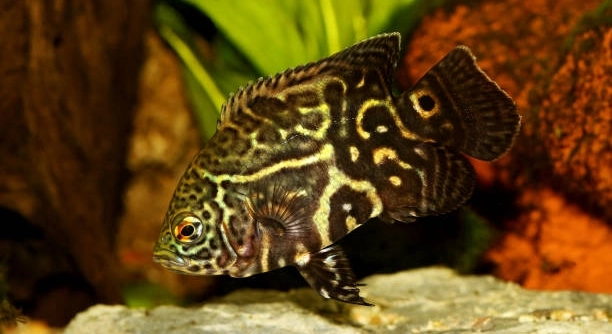
Oscar fish, known for their intelligence and curious nature, often exhibit behaviors that may make you wonder if they develop preferences over time. Their interactions with the environment, food, and tank mates can reveal much about their personalities.
Oscar fish are capable of developing preferences, particularly regarding food and tank conditions. They can show a liking for specific types of food, such as live or frozen options, and even become more selective in their behavior over time.
As you observe your Oscar fish, you may notice subtle changes in their habits that suggest they are becoming more selective in their environment. These preferences can lead to a better understanding of their needs and behaviors.
How Oscar Fish Show Preferences in Food
Oscar fish often show clear preferences when it comes to food. Over time, they may display distinct likes or dislikes toward certain types of food. While some fish are more opportunistic, an Oscar can become selective, favoring live food such as shrimp or smaller fish over pellets or flakes. This behavior is linked to their natural instincts and hunting nature. It’s not uncommon for them to ignore foods they don’t find appealing or show excitement when their preferred meals are offered. Understanding these patterns is key in providing a balanced diet that they will thrive on.
The key to managing an Oscar’s diet is observing these preferences closely. Offer a variety of options, but ensure you are providing nutritional balance. Overfeeding them with their favorite food could lead to health issues.
If you find your Oscar turning down certain foods or only choosing specific options, it may be time to adjust their diet. Ensuring they receive a variety of foods helps mimic their natural feeding habits while maintaining their health.
Oscar Fish and Tank Environment Preferences
Oscar fish also develop preferences based on their tank environment. They tend to be territorial, so providing them with an appropriately sized tank and hiding spots can help make them feel secure. Over time, they may exhibit signs of discomfort if they feel their space is too small or lacks hiding places. They will likely swim in certain areas of the tank, showing where they feel safest and most comfortable.
A tank setup that offers a good balance between open swimming space and hiding areas ensures that your Oscar fish has a chance to display more natural behaviors. As they grow, their territorial nature may become more apparent, and they might prefer larger tanks to allow for more movement. You may also notice them becoming attached to certain spots in the tank, whether it’s near the filter or a favorite corner.
Pay attention to the water conditions as well, as Oscars prefer stable parameters. Sudden changes in temperature or water quality can stress them out, affecting their overall health and behavior. Maintaining the right conditions and respecting their preferences will lead to a happier and healthier Oscar fish.
Oscar Fish and Social Preferences
Oscar fish can develop preferences in how they interact with other tank mates. While they are often seen as aggressive, some Oscars can live peacefully with certain species if they have enough space and hiding spots. Over time, they may show a tendency to interact more with particular fish, even ignoring others.
If an Oscar fish feels threatened by tank mates, it may become more territorial, exhibiting aggression or trying to establish dominance. However, in the right setup, Oscars can show a preference for certain fish that don’t threaten them. It’s important to pay attention to the behavior of your Oscar and how it reacts to new tank additions.
Over time, you may notice that your Oscar tends to get along with peaceful fish that aren’t competing for space or food. These observations help in creating a harmonious tank environment. The key is to provide enough space and introduce fish that won’t stress out your Oscar.
Managing Oscar Fish Preferences
Managing your Oscar’s preferences involves paying close attention to its behavior and adjusting the tank environment as needed. Offering different food types and ensuring the tank is set up according to the Oscar’s comfort preferences can go a long way. If your Oscar starts avoiding certain foods or becoming agitated, it’s time to evaluate what might be affecting them.
Oscars often show clear signs when they’re dissatisfied. This could include swimming erratically, refusing food, or exhibiting aggressive behavior. Making small changes to their environment or food options can lead to significant improvements. It’s important to observe and adapt to their preferences to keep them healthy and comfortable.
Understanding these preferences makes it easier to meet the needs of your Oscar. Each change, from food offerings to tank setup, can help ensure that your Oscar fish thrives over time.
The Role of Water Conditions in Preferences
Water conditions play a significant role in how Oscar fish behave. They can show preferences for specific water temperatures, pH levels, and even the water’s clarity. Keeping these factors stable will help them thrive, and they may refuse food or act stressed if conditions are off.
If the water quality changes significantly, your Oscar may become more irritable or even stop eating. Keeping the tank’s temperature consistent and ensuring proper filtration can help avoid these issues. Your Oscar’s behavior is a good indicator of whether the water conditions need adjusting. Paying attention to this can help maintain a healthy tank.
Food Preferences and Their Impact on Health
Oscar fish are known for their hearty appetites and often display strong food preferences. While they may prefer live food, they can also become accustomed to frozen or pellet-based options. Offering a varied diet helps ensure that they get the nutrients they need for long-term health.
Sometimes, Oscars may become picky eaters, rejecting certain food types. If you notice this behavior, try switching up their diet to encourage more balanced eating. Feeding them a variety of proteins and other nutrients can also reduce the risk of nutritional imbalances. This helps keep them healthy over time.
Oscar Fish and Tank Size Preferences
As Oscars grow, they require more space. They are territorial and need a large tank to feel comfortable. A cramped environment can cause stress, and an Oscar may exhibit aggressive behavior or avoid certain areas of the tank altogether if the space is insufficient.
FAQ
How can I tell if my Oscar fish has a food preference?
Oscar fish often show clear signs when they develop food preferences. They may eagerly eat certain foods while ignoring others. If your Oscar consistently chooses live food over pellets or flakes, this indicates a preference for more natural, protein-rich options. They may even show excitement when offered their preferred food, swimming up to the surface or following your hand. Monitoring their feeding behavior is the key to understanding their preferences.
Can Oscar fish develop preferences for specific tank mates?
Yes, Oscar fish can develop preferences when it comes to other tank mates. While they are generally territorial and may show aggression toward other fish, they might become more comfortable with certain species if there’s enough space and hiding spots. Oscars may prefer tank mates that don’t compete for resources or threaten their territory. It’s essential to observe your Oscar’s interactions and adjust the tank environment accordingly to ensure a harmonious relationship with other fish.
What type of food should I feed my Oscar fish?
Oscar fish thrive on a varied diet that includes both protein and vegetables. Their diet can consist of live or frozen food like shrimp, worms, and small fish, along with pellets or flakes formulated for carnivorous fish. While Oscars may have a preference for live food, it’s important to provide a balanced mix to ensure they receive the necessary nutrients. Adding occasional plant matter like peas or lettuce can also aid digestion and promote overall health.
Why is my Oscar fish refusing to eat?
If your Oscar fish refuses to eat, there could be several reasons for the behavior. Poor water quality is a common cause, as Oscars can be sensitive to changes in temperature, pH, and ammonia levels. Stress from an overcrowded tank, aggression from other fish, or an unfamiliar environment can also affect their appetite. If your Oscar stops eating for an extended period, check the water conditions and ensure they are in a calm and comfortable environment. If the issue persists, it may be necessary to consult a veterinarian.
Do Oscar fish prefer certain water temperatures?
Oscar fish prefer warmer water, typically between 75°F and 80°F (24°C to 27°C). If the temperature fluctuates outside of this range, they may become stressed, which can lead to reduced activity, loss of appetite, or even illness. Maintaining a stable water temperature is crucial for their health. Using a reliable aquarium heater and thermometer can help ensure the water stays within their preferred range. Additionally, avoid sudden temperature changes, as Oscars are sensitive to rapid shifts in water conditions.
Can Oscars develop habits over time?
Yes, Oscar fish are known to develop habits as they grow older. They can become accustomed to feeding times, certain tank locations, or even interacting with their owners. Some Oscars may learn to recognize their caretaker and swim to the surface when they approach the tank. These habits are a sign of their intelligence and adaptability. Understanding these patterns allows you to provide a more enriching environment that supports their well-being.
How do I know if my Oscar is stressed?
Stressed Oscars may exhibit a variety of signs, such as erratic swimming, hiding, or reduced appetite. They may also display aggressive behavior toward other tank mates or become more reclusive. Poor water conditions, overcrowded tanks, or constant changes in their environment can contribute to stress. If your Oscar shows these signs, assess the tank conditions, and make adjustments as needed to reduce stress and promote a calm environment.
Is it okay to have multiple Oscar fish in one tank?
While it is possible to keep multiple Oscar fish in one tank, it requires careful consideration. Oscars are territorial and may fight if they feel their space is being invaded. If you plan to house more than one, ensure the tank is large enough to accommodate both fish, with plenty of hiding spots and decorations. A 75-gallon or larger tank is recommended for two Oscars to reduce territorial disputes. Regular monitoring of their behavior is essential to ensure they are getting along and not causing harm to each other.
How often should I clean my Oscar’s tank?
Cleaning your Oscar’s tank regularly is crucial for maintaining a healthy environment. Oscars are messy eaters, and their waste can quickly degrade water quality. Perform a partial water change of 25% to 30% every week to keep the tank clean. Additionally, clean the filter and remove any debris from the substrate. Avoid cleaning the entire tank at once, as this could disrupt the tank’s beneficial bacteria. Regular water tests are also essential to monitor ammonia, nitrate, and pH levels to ensure the health of your Oscar.
What size tank do Oscar fish need?
Oscar fish require a large tank due to their size and territorial nature. A minimum of 55 gallons is recommended for a single adult Oscar, but larger tanks, such as 75 gallons or more, are ideal. The more space you can provide, the less likely your Oscar will feel stressed or territorial. Keep in mind that Oscars grow quickly and can reach up to 12-14 inches in length, so ensuring they have enough room to swim and explore is crucial for their well-being.
Can Oscar fish live with other species?
Oscar fish can live with other species, but it’s important to choose tank mates carefully. They are aggressive and territorial, so they may not get along with smaller or more peaceful fish. Larger, more robust species that can hold their own are better suited for cohabitation with Oscars. It’s also essential to monitor their behavior closely and ensure the tank has enough space and hiding spots to reduce stress and aggression. Always research potential tank mates before adding them to the tank.
Final Thoughts
Oscar fish are fascinating creatures that can develop preferences over time, especially when it comes to food, tank mates, and their environment. These fish are highly intelligent and can show clear likes and dislikes. Understanding their preferences is crucial to creating a tank setup that supports their well-being. By paying attention to their behavior and adjusting their diet, tank conditions, and companions, you can help your Oscar fish live a long and healthy life.
One of the most important factors in an Oscar fish’s happiness is water quality. Oscars are sensitive to changes in water conditions, so it’s essential to keep their tank stable. Regular water changes, proper filtration, and maintaining the right temperature are all vital to their health. Additionally, making sure the tank has enough space for them to swim comfortably will prevent stress and territorial behavior. With the right care, Oscars can thrive in a well-maintained tank and live up to 15 years or more.
In conclusion, keeping an Oscar fish is both rewarding and challenging. By understanding their preferences and needs, you can create a suitable environment for them to flourish. Whether it’s adjusting their diet, choosing compatible tank mates, or ensuring proper water conditions, the key to success is observation and care. An Oscar fish can develop strong preferences over time, but with patience and attention, you’ll be able to meet their needs and enjoy their company for many years.

Hello,
If you enjoy the content that we create, please consider saying a "Thank You!" by leaving a tip.
Every little bit helps us continue crafting quality advice that supports the health, happiness, and well-being of pets around the world, for pets of all shapes, sizes, and species.
We really appreciate the kindness and support that you show us!