
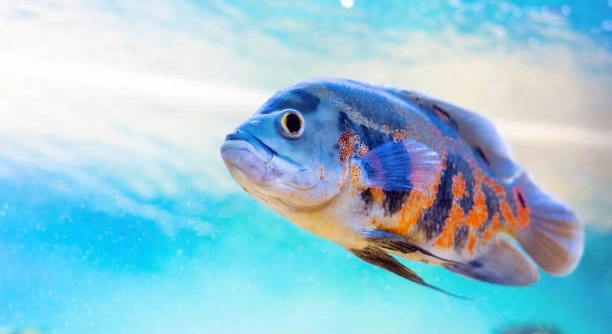
Oscar fish are known for their intelligence and unique personalities, which make them fascinating pets. Many owners wonder if their fish can sense their emotions. Could these aquatic companions truly understand our moods?
Research shows that while Oscar fish may not directly detect human emotions, they can respond to environmental cues, including changes in behavior and surroundings. Fish are capable of perceiving shifts in atmosphere, such as stress or agitation, through body language and body movements.
Understanding how these fish interact with their environment can help improve their care. Exploring their responses to human presence reveals the depth of their sensory awareness.
Understanding Oscar Fish Behavior
Oscar fish are more than just pets. They are highly interactive and can develop unique behaviors that reflect their surroundings. It’s said that they are known for their strong personalities and can even become attached to their owners over time. When you approach the tank, they may swim up to greet you or follow your hand movements. They can even become territorial, especially around feeding times. This behavior might not directly indicate that the fish can sense emotions, but it’s clear they are sensitive to what’s happening around them. Understanding how they react to you and their environment helps create a better bond.
Oscar fish often show excitement or distress when their environment changes. For example, when there are loud noises or movements, they may become more active or swim to the surface. This indicates that they are aware of changes in their surroundings and respond accordingly.
Their responses are primarily influenced by their instincts. However, they can also learn certain behaviors over time through conditioning. For instance, Oscar fish may begin to associate you with food, leading them to swim excitedly when they see you approach. This behavior is less about emotional detection and more about routine and recognition.
Emotional Cues and Fish Senses
Oscar fish respond to changes in the environment around them. This includes the physical and emotional states of those nearby.
Fish can pick up on subtle shifts in their surroundings, such as changes in light or water quality. Stress from a person, such as raised voices, can cause them to become more cautious or defensive. However, these responses are often linked to environmental factors rather than a direct emotional connection. It’s important to understand that fish may not experience emotions the same way humans do but can respond to their environment based on instinct and learned behaviors.
Can Fish Recognize Human Emotions?
While Oscar fish can react to changes in their surroundings, there’s no clear evidence that they can recognize human emotions. Their behavior tends to be influenced more by routine, feeding time, and environmental changes.
The way an Oscar fish behaves around you is more of a learned reaction than an emotional connection. For instance, when they see you approach, they may swim to the front of the tank, expecting food. This isn’t necessarily them recognizing your mood, but rather a conditioned response. Over time, fish learn patterns and respond accordingly to regular events, such as when you feed them.
Some owners notice that their Oscar fish become more active or appear agitated when their owners are stressed or upset. This could be due to changes in the surrounding environment, such as increased movement or noise. It’s not a sign that the fish can sense specific emotions, but rather that they are reacting to environmental shifts.
The Importance of Environmental Factors
Oscar fish thrive in stable environments, and changes can make them more alert. This includes fluctuations in water quality, temperature, or even lighting.
If you’re feeling stressed or anxious, the increased movement and noise could create an environment that triggers a defensive response in your fish. Fish have heightened sensitivity to shifts in their surroundings, so any change might cause them to act differently. They might swim faster, hide, or become more aggressive. It’s important to keep their environment as consistent as possible to minimize any unnecessary stress. Maintaining a calm atmosphere in your home can also help your Oscar fish feel secure and less likely to react to changes in behavior around them.
The Role of Feeding Times
Oscar fish associate you with feeding, so they often react to you during these times. They may become more active or excited when they see you approaching the tank, anticipating food. This behavior isn’t about emotions but rather about their learned patterns and routines.
They start to recognize your presence and associate it with something positive—food. These interactions help reinforce their expectations, and they will often act in ways that show their anticipation. However, these responses are based on the schedule of feedings rather than an emotional connection to you. Their excitement is more instinctual.
Understanding Their Social Behavior
Oscar fish can display social behaviors, such as following you around the tank or swimming near you. This could be interpreted as attachment, but it’s more likely a response to the consistency of your presence and actions.
These behaviors can sometimes be mistaken for emotional recognition, but they are often just a sign of recognition based on routine. The fish can learn that you are a consistent part of their environment, and they might approach you in anticipation of regular care like feeding or cleaning. However, these actions don’t indicate an emotional bond.
FAQ
Can Oscar fish feel human emotions?
Oscar fish do not have the same emotional awareness as humans. While they can respond to changes in their environment, such as increased noise or movement, they don’t seem to understand or feel emotions in the way humans do. Their reactions are more about instinct and learned behavior than emotional recognition.
How do Oscar fish react to stress or tension in the environment?
Oscar fish are very sensitive to changes around them. When the environment becomes tense, such as loud noises or sudden movements, they may become more active or even aggressive. This behavior is a defensive response to perceived threats rather than an emotional reaction to stress in the humans nearby.
Do Oscar fish know when you are upset?
While Oscar fish may react to changes in their environment, there’s no evidence suggesting they can understand human emotions like sadness or frustration. If you are upset, the fish might notice the changes in your behavior, such as increased movement or noise, but they are likely just reacting to the shift in their surroundings rather than recognizing your emotional state.
Can Oscar fish form bonds with their owners?
Oscar fish can recognize their owners and often respond to them in familiar ways, such as swimming toward the front of the tank or following your movements. However, these actions are generally learned behaviors rather than emotional bonds. They associate you with feeding or care, which can create a sense of familiarity, but this isn’t the same as a bond that reflects emotional understanding.
How can I improve my Oscar fish’s behavior around me?
Building a routine for feeding and tank maintenance is key. Oscar fish thrive on consistency. If they know when to expect food or interaction, they’ll start to anticipate your presence and may become more social or responsive. Regular care also ensures they feel secure in their environment, reducing any stress or defensive behavior.
Do Oscar fish get attached to their tank mates?
Oscar fish can form territories in their tanks and may display protective behavior toward certain areas or tank mates. However, their social interactions tend to be more about dominance than emotional attachment. They might fight with other fish over territory, which can be mistaken for a bond, but it’s more about survival instincts.
Can Oscar fish recognize their owners’ faces?
Oscar fish are good at recognizing patterns and shapes, so they might be able to recognize your face or figure over time, especially if you are a regular part of their feeding routine. However, this recognition is based on visual cues rather than an emotional attachment to you as an individual.
What do I do if my Oscar fish is acting aggressively?
Aggression can be a sign of territorial behavior, stress, or illness. If your Oscar fish is being overly aggressive, first check the water quality and ensure there are no stressors like other fish or sudden changes in the environment. If aggression continues, it might be best to separate the fish from others and monitor its health closely.
Why do Oscar fish sometimes act shy or hide?
Oscar fish might hide when they feel threatened or stressed. Changes in their environment, such as a new fish in the tank or loud sounds, can cause them to seek shelter. If they are in a new environment or haven’t fully adjusted to you yet, shyness can also be a sign of adaptation. Ensure the tank is calm and they have hiding spots to feel secure.
Do Oscar fish get lonely?
Oscar fish are solitary by nature, so they don’t typically get lonely in the way humans do. However, they can become stressed if there are changes in their environment or if they are housed with aggressive tank mates. While they don’t need companionship, maintaining a stable and secure tank environment helps them feel comfortable.
How often should I feed my Oscar fish?
Oscar fish should be fed 1-2 times per day. It’s important not to overfeed them as this can lead to health issues. Stick to a consistent feeding schedule, and make sure the food you offer is appropriate for their size and dietary needs. Overfeeding can also impact the water quality in the tank, so moderation is key.
Can Oscar fish recognize when it’s time to eat?
Yes, Oscar fish can learn to recognize feeding times. They may start swimming excitedly or following your hand movements around the tank once they associate you with food. This behavior is based on routine and learned associations rather than an emotional connection to you.
What kind of tank environment is best for my Oscar fish?
Oscar fish need a spacious tank with plenty of room to swim. A minimum of 75 gallons is recommended for an adult Oscar, as they can grow quite large. Maintaining proper water conditions, such as temperature, pH, and filtration, is crucial. They also benefit from having hiding spots in the tank for security.
Why do Oscar fish sometimes jump out of the tank?
Oscar fish are known to jump when they are stressed, startled, or trying to escape an uncomfortable environment. A lack of space, poor water conditions, or aggressive tank mates can contribute to this behavior. To prevent jumping, ensure the tank is secure with a lid and that the water conditions are optimal.
Final Thoughts
Oscar fish are intelligent creatures that can show unique behaviors, but their ability to understand human emotions is limited. While they can respond to changes in their environment, like shifts in noise or movement, their reactions are based on instincts and learned patterns rather than an emotional connection. Oscar fish are more likely to recognize their feeding schedule or familiar faces rather than sensing specific moods or feelings. This doesn’t mean they lack personality—on the contrary, they are known for their strong, independent personalities. However, their understanding of the world is shaped by their instincts and routines, not human emotions.
Their interactions with you, like swimming towards the front of the tank or following your movements, are often based on recognition rather than emotional attachment. They associate you with regular events, such as feeding or tank cleaning. Over time, they learn to expect certain things from you, which can create a sense of predictability and comfort in their environment. This is more about their need for consistency and less about forming emotional bonds with humans. The behavior may feel like they’re getting close to you, but it’s more about them understanding that you’re a part of their daily routine.
While Oscar fish might not be able to sense or understand your emotions, they still require a stable and secure environment to thrive. Their health and happiness are influenced by factors like water quality, tank size, and consistency in care. By maintaining a calm atmosphere and sticking to a regular feeding and cleaning routine, you can ensure your Oscar fish is comfortable. Recognizing their unique behaviors and providing them with a proper environment can help strengthen your relationship, even if it’s not based on emotional understanding.

Hello,
If you enjoy the content that we create, please consider saying a "Thank You!" by leaving a tip.
Every little bit helps us continue crafting quality advice that supports the health, happiness, and well-being of pets around the world, for pets of all shapes, sizes, and species.
We really appreciate the kindness and support that you show us!