
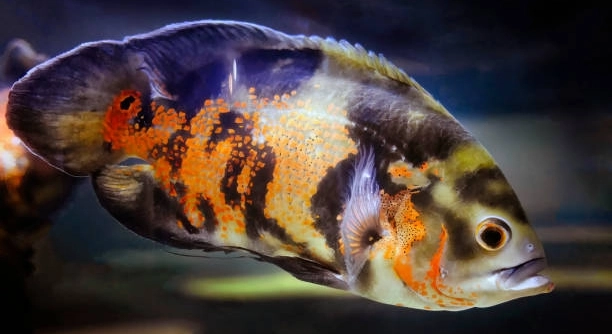
Oscar fish are known for their strong personalities, often displaying aggressive tendencies. However, many owners wonder whether these fish can become more social as time passes. Understanding their behavior can help you create a better environment for them.
Oscar fish can become more social over time, but this largely depends on their environment, care, and individual temperament. Socialization often improves with consistent handling, proper tank conditions, and interactions with other fish, leading to greater comfort and less aggression.
With the right approach, Oscar fish can form stronger bonds with their owners and tank mates. Understanding how their environment impacts their behavior is key to promoting a more social and harmonious atmosphere.
Understanding Oscar Fish Behavior
Oscar fish are intelligent and curious, but their behavior can sometimes come off as aggressive. They may initially seem standoffish or territorial, especially if they feel threatened. Over time, they can become more comfortable in their tank, particularly if they are provided with a stable environment. While some Oscar fish remain solitary, others can develop stronger bonds with their owners. If they feel secure, they may start interacting more, recognizing you as part of their routine. However, this takes time and patience.
The key to improving your Oscar fish’s socialization lies in understanding their environment and how it influences their behavior. Providing a stress-free tank with plenty of space and hiding spots will help. Consistency in feeding times and gentle handling will also contribute to the process.
With a bit of effort, your Oscar fish can start to show more signs of recognition and even affection. It’s important to be patient and consistent with your interactions to create a positive bond. By respecting their space and needs, they may become more relaxed and interactive over time.
Tank Environment and Socialization
A clean and stable tank environment is vital for Oscar fish to thrive. Regular water changes, appropriate filtration, and a comfortable temperature are essential for their well-being.
The more comfortable an Oscar fish feels in its surroundings, the more likely it is to become social. By creating a stable and safe environment, you allow your fish to settle in, which can reduce stress and lead to improved social interactions. Adding tank mates that are compatible with Oscars is another way to promote interaction and reduce aggressive behavior. However, it’s essential to ensure that these tank mates are large enough to withstand the Oscar’s occasional boisterous nature. Over time, as the Oscar gets used to its environment and tank mates, social behavior may begin to emerge. Being mindful of the tank’s setup and making gradual changes will help avoid unsettling your fish and encourage healthier, more positive behavior. With this balance, your Oscar fish may become more social and comfortable with you and their tank companions.
Handling Oscar Fish
Gentle handling can play a role in socializing Oscar fish. When they are handled carefully, they may start recognizing you as a non-threatening presence.
Oscars are sensitive to sudden movements, so it’s essential to approach them calmly. If you want to interact with your Oscar, do so with patience. Try to avoid reaching into the tank too frequently, as this can cause stress. Over time, they may become accustomed to your presence and even begin to show curiosity when you approach. They may start swimming toward the surface as you feed them, associating you with positive experiences.
Avoid using quick motions or loud noises around the tank. Sudden disruptions can stress the fish, hindering the socialization process. Instead, establish a routine that includes consistent feeding and quiet interactions. In doing so, you can create a peaceful atmosphere, allowing your Oscar fish to feel safe and more open to interaction. Building this trust takes time, but it can make all the difference in your Oscar’s behavior.
Feeding and Bonding
Feeding times can be one of the most effective ways to bond with your Oscar. By establishing a regular feeding routine, your fish may begin to associate you with nourishment.
Oscars are known for their strong appetites, and feeding is often a time they look forward to. If you feed them consistently at the same time each day, they can learn to recognize you. Over time, they might even swim toward you as they anticipate their meals. This can help reduce their aggressive tendencies and create a more social environment.
While feeding is an opportunity to bond, avoid overfeeding. Keeping portions in check is important for their health. Stick to feeding the right amount for their size and age, ensuring a balanced diet. By maintaining this balance, you’ll not only improve their health but also create positive experiences for your Oscar.
Tank Mates and Social Behavior
Introducing compatible tank mates can help encourage social behavior in Oscar fish. However, it’s important to choose the right species.
Oscars tend to get along better with fish of similar size, and larger species can handle their occasional aggressive behavior. Avoid placing them with small, peaceful fish that may become targets of aggression. Over time, Oscar fish may adjust to the presence of others, particularly if they have enough space and hiding spots.
Handling Aggression
Aggression can be a natural trait in Oscar fish, especially during feeding or territorial disputes. Understanding how to manage this behavior is key.
If aggression becomes a consistent issue, it’s important to examine tank conditions and the fish’s environment. A lack of space, poor water quality, or the presence of stressors can exacerbate aggressive tendencies. Ensuring a proper setup will give your Oscar more opportunities for peaceful coexistence.
FAQ
Can Oscars live with other fish?
Yes, Oscars can live with other fish, but they need compatible tank mates. It’s best to choose fish that are large enough to handle their sometimes aggressive nature. Fish like cichlids, large tetras, or catfish can generally coexist with Oscars. Avoid small or delicate species, as Oscars may see them as prey. Make sure the tank has plenty of space and hiding spots for all fish.
How often should you feed an Oscar fish?
Oscar fish should be fed once or twice a day. They are carnivorous and thrive on a varied diet of high-quality pellets, frozen food, and occasionally live food. Overfeeding can lead to obesity and poor water quality. Stick to a consistent feeding schedule and avoid offering excessive portions.
Why is my Oscar fish acting aggressively?
Oscar fish can display aggression for several reasons. They are territorial by nature and may act aggressively toward tank mates or objects they perceive as threats. Aggression can also arise from stress caused by poor water quality, overcrowding, or sudden changes in their environment. Ensure the tank is properly sized and well-maintained to reduce stress.
Can Oscars be trained to recognize their owners?
Yes, with patience, Oscars can be trained to recognize their owners. They are intelligent fish that can associate you with feeding times. Over time, they may start swimming toward you when you approach the tank, especially if you have a consistent routine. However, this recognition is usually tied to feeding and the environment they associate with positive experiences.
How big should my Oscar fish tank be?
Oscar fish need a large tank to thrive. A 75-gallon tank is the minimum size for a single Oscar, though larger is better, especially if you plan to keep more than one. Oscars are active swimmers and need ample space to move around. A larger tank also helps with maintaining water quality and minimizing territorial aggression.
Do Oscars need a filter?
Yes, Oscars produce a significant amount of waste, making a strong filtration system essential. A good filter helps keep the water clean and prevents the buildup of harmful toxins. A filter with a capacity to handle the tank’s size is crucial to maintain healthy water conditions. Regular water changes will also help keep the tank in good shape.
What temperature should an Oscar fish tank be?
Oscar fish prefer warm water. The ideal temperature range is between 74°F and 81°F (23°C to 27°C). Water that’s too cold can cause stress and weaken their immune system, while excessively warm water can lower oxygen levels. Make sure to maintain a stable temperature with a reliable aquarium heater.
Why is my Oscar fish not eating?
If your Oscar fish isn’t eating, it could be due to stress, illness, or water quality issues. Oscars may refuse food if the tank environment isn’t ideal, if they are sick, or if they are adjusting to a new tank. Check the water parameters, ensure the tank is clean, and monitor for any signs of illness.
How do I stop my Oscar from being too aggressive?
To reduce aggression in Oscar fish, it’s important to provide a well-balanced environment. Ensure the tank is large enough, with plenty of hiding spots and decorations to break up territorial boundaries. Avoid overcrowding and make sure there are no aggressive tank mates. Regular feeding and gentle handling can also help reduce stress-related aggression.
Can Oscars eat live food?
Yes, Oscar fish can eat live food, and they enjoy it. Common live food options include feeder fish, worms, and insects. However, live food should be offered sparingly and carefully. Feeding live fish may introduce parasites or diseases, so it’s important to ensure that the live food is from a trusted source.
Do Oscars need light?
Oscars do need some light, but it doesn’t need to be constant. A regular light cycle of about 10 to 12 hours of light per day is sufficient. Too much light can cause stress and algae growth. A timer can help maintain a consistent light cycle, mimicking natural day-night patterns.
What do I do if my Oscar fish is sick?
If your Oscar fish shows signs of illness, such as faded colors, lethargy, or abnormal swimming, first check the water quality. Poor water conditions are often the cause of illness. You may need to treat the tank with medication if a disease is present. Quarantine sick fish to prevent spreading illness to others. If the problem persists, consider consulting a veterinarian who specializes in fish care.
How can I tell if my Oscar fish is happy?
A happy Oscar fish will display active behavior, swim around the tank, and engage with their environment. They may greet you at feeding time and exhibit curiosity. Healthy Oscars will also have vibrant colors, clear eyes, and smooth, unstressed movements. If your Oscar is hiding frequently or showing signs of illness, it may not be content.
Can I breed my Oscar fish at home?
Yes, Oscars can breed in a well-maintained tank. Breeding requires a large tank with stable water conditions. Oscars are egg layers, and they usually lay their eggs on flat surfaces like rocks or decorations. If you wish to breed them, you’ll need to ensure that both the male and female are healthy and in the right environment. Keep in mind that breeding can lead to aggression, especially if the pair becomes protective of their eggs.
Why does my Oscar fish keep swimming at the surface?
Oscars may swim at the surface for several reasons, including hunger or a lack of oxygen. If they are frequently near the surface, check the water’s oxygen levels and ensure the filtration system is working properly. In some cases, they may simply be seeking food or exploring their environment. However, if the behavior is unusual or accompanied by other symptoms, check the water quality.
Final Thoughts
Oscar fish can become more social over time, but this largely depends on their environment and the care they receive. While they are naturally territorial and can exhibit aggression, with proper management, they can adapt to their surroundings. Offering them enough space, maintaining water quality, and choosing the right tank mates can play a significant role in their social behavior. Over time, they may develop a routine and begin recognizing their owners, building a level of trust. Socialization, however, does not mean complete friendliness with all tank mates, and careful monitoring is necessary.
The key to managing Oscar fish is understanding their needs and recognizing their boundaries. Oscars thrive in larger tanks with ample space for swimming and hiding. They are more likely to adjust to new surroundings if they feel safe. Aggressive behavior is natural but can be minimized by avoiding overcrowding and choosing compatible tank mates. Keeping their environment stable, with the right temperature and water conditions, can help reduce stress and aggression. With the right setup, Oscars can coexist with other fish, though it’s important to remember that they are not the easiest species to keep with all types of fish.
Ultimately, Oscars are fascinating creatures that, with patience and the right care, can develop positive behaviors over time. They may not be the most social fish, but their ability to form bonds and interact with their owners is a rewarding aspect of keeping them. Understanding their personality and providing a proper environment will lead to a healthier and more content Oscar fish.

Hello,
If you enjoy the content that we create, please consider saying a "Thank You!" by leaving a tip.
Every little bit helps us continue crafting quality advice that supports the health, happiness, and well-being of pets around the world, for pets of all shapes, sizes, and species.
We really appreciate the kindness and support that you show us!