
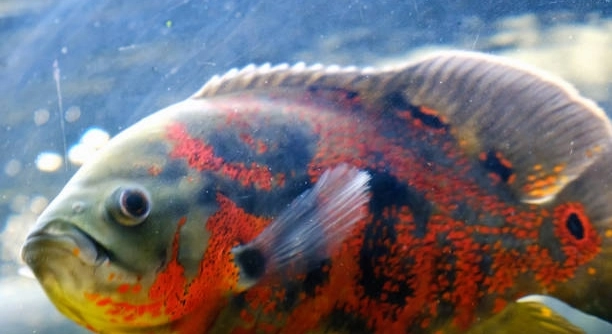
Oscar fish are known for their intelligence and ability to interact with their environment. Some owners may wonder if it’s possible to train them to respond to commands or recognize certain cues, such as coming when called.
Oscar fish are capable of being trained to respond to specific stimuli, though the process can take time and patience. Using positive reinforcement and consistent training methods can help them associate sounds or actions with rewards, though results may vary.
Training an Oscar fish to come when called is a gradual process that requires patience and understanding of their behavior.
Training Oscar Fish: Key Factors to Keep in Mind
Oscar fish are highly intelligent, but training them requires time and consistency. To teach them to respond to a specific sound, you’ll need to create positive associations with that sound. It’s important to start with short training sessions—no longer than five minutes at a time. Repetition and patience are crucial as the fish gradually learns the connection between the sound and a reward, typically food. Over time, they may begin to associate the call with the reward and respond by swimming toward you. Keep in mind, not all Oscars will learn at the same pace, so be prepared for variations in progress.
While consistency is important, it’s equally essential to be patient with your fish. Some Oscar fish are quicker to catch on than others. Each fish has its personality, which means some might be more eager to engage while others take longer to warm up to the idea of training. Offering treats or their favorite food can help motivate them. If the fish seems uninterested or stressed, it’s best to stop and try again later.
Don’t forget to keep your fish’s environment stress-free. When training, ensure their tank is quiet and calm. If other fish or noise disrupt their focus, training may not be as effective. The space should be one where the Oscar feels safe and relaxed. This atmosphere will allow the fish to concentrate better and make the training process more enjoyable for both of you. A calm environment makes it easier for the fish to learn.
Positive Reinforcement: The Key to Success
To effectively teach your Oscar fish to come when called, you’ll need to use positive reinforcement. This method helps encourage desired behaviors by rewarding them. The most effective rewards for Oscar fish are their favorite foods, such as worms or pellets. Offering food as a reward after each successful attempt will reinforce the behavior, encouraging them to repeat it. It’s important to keep a consistent reward schedule and not overwhelm the fish with too much food, as this could affect their health. Small portions are enough to create the positive association without overfeeding.
Training Oscar fish through positive reinforcement can be quite effective. However, it’s important to set realistic expectations. While some Oscar fish might take to training quickly, others may need weeks to fully understand the process. Patience, a calm environment, and consistent rewards will help make the training easier. Over time, with regular practice, your Oscar fish might be able to swim to you on command, providing you with a special way to interact with your aquatic companion.
Understanding Oscar Fish Behavior
Oscar fish are naturally curious and intelligent, but their behavior can sometimes make training more challenging. They respond well to stimuli they find interesting, especially food. Understanding their instincts and tendencies will help you in the training process. Oscars tend to recognize patterns and repetition, so consistent cues are key to their learning.
Each Oscar fish has its own personality. Some are more interactive and eager to learn, while others may seem more reserved or independent. Recognizing your fish’s behavior can help you tailor your training approach. For example, a shy Oscar may take longer to respond to training cues but may eventually associate those cues with food rewards. Patience is essential, as some fish are more stubborn than others.
When observing your Oscar’s behavior, it’s important to also account for environmental factors. Stress, such as changes in water quality or tank mates, can disrupt the learning process. Oscars need to feel comfortable in their environment to focus on training. Keeping the tank clean and ensuring a stable, peaceful habitat will support their ability to learn new behaviors. The better the environment, the more likely your Oscar is to engage with you during training sessions.
The Importance of Consistency
Consistency is crucial when teaching your Oscar fish to come when called. Regular training sessions, no matter how short, will help establish the association between the sound and the reward. Repeating the same cue each time ensures your fish can recognize the pattern and respond accordingly. This steady repetition allows them to learn at their own pace.
It’s also important to maintain a predictable schedule. Training should be done at the same time each day, which will help your Oscar fish anticipate and understand when to expect rewards. Predictability makes it easier for the fish to link the cue with the reward and reinforces the habit. Over time, this consistency leads to better results.
However, avoid over-training in one session. Too much repetition can cause your Oscar to lose interest or become stressed. Keep the sessions short, about 5 minutes, and focus on rewarding the fish for its attempts, even if they are not perfect. A little progress each day can lead to success in the long run.
Avoiding Overfeeding During Training
Overfeeding can undermine your training efforts. Offering too much food can lead to unhealthy habits and make the reward less effective. Instead, offer small portions that serve as motivation without overwhelming your fish. This approach ensures your Oscar stays healthy while learning to come when called.
Offering small food portions will also help your Oscar fish stay more engaged. If your fish gets too full too quickly, it may lose interest in the training. Rewarding them with bite-sized treats keeps their attention focused on you, making training sessions more effective.
Common Challenges in Training Oscar Fish
Oscar fish can be stubborn, especially if they are not used to interacting with their owners. One common challenge is that they may ignore the cue if they’re distracted by something else in the tank, like tank mates or a change in the environment. Training in a quiet, calm space helps to eliminate distractions and keeps your fish focused.
When to Take a Break from Training
If you notice your Oscar fish showing signs of stress or losing interest, it’s time to take a break. Pushing them too hard can cause frustration and hinder progress. Taking a day off allows your fish to reset and come back to training with more focus and energy.
FAQ
Can Oscar fish recognize their owners?
Yes, Oscar fish can recognize their owners. They are highly intelligent and can form associations with specific people, especially if they are regularly fed or interacted with. Over time, they may start to respond to their owner’s presence in the tank, swimming toward them when they approach. While not every Oscar will form this bond, many can learn to recognize the person who feeds them and may show excitement when they appear.
How long does it take for an Oscar fish to learn to come when called?
The time it takes for an Oscar fish to learn to come when called varies depending on the individual fish. It can take anywhere from a few days to several weeks. Consistency and patience are key. Training sessions should be short and repeated daily to encourage learning. Some Oscars are quicker learners, while others may take longer. It’s important to stay patient and avoid getting frustrated if progress is slow.
What is the best food to use for training Oscar fish?
The best food to use for training Oscar fish is their favorite treats, such as live or frozen worms, shrimp, or pellets. These foods are often more enticing to them and can help with motivation. Make sure to use small portions to avoid overfeeding. Offering a food that the Oscar loves will encourage them to engage more during training sessions, helping them form the association between the cue and the reward.
Can Oscar fish be trained to do other tricks besides coming when called?
Yes, Oscar fish can be trained to do a variety of tricks, such as swimming through hoops or jumping for food. The key to training them to perform tricks is using positive reinforcement, the same technique used for teaching them to come when called. The process involves associating a specific behavior with a reward, and with time, your Oscar fish may be able to learn more complex tasks. However, not all Oscars will be interested in performing tricks, and patience is essential.
Is it safe to train Oscar fish?
Training Oscar fish is generally safe, as long as you follow proper guidelines and avoid stressing them. Overtraining or pushing them too hard can cause stress, which may negatively impact their health. Keep training sessions short, and always ensure that your fish has a healthy and stress-free environment. When training, never force your Oscar to do something it seems uncomfortable with. Use treats as motivation and create a positive experience for both you and your fish.
Why is my Oscar fish not responding to training?
If your Oscar fish is not responding to training, there may be several reasons. Stress, discomfort, or distractions in the tank can affect their ability to focus. It’s also possible that your fish isn’t interested in the reward you’re offering or simply needs more time to adjust to the training process. Make sure your tank environment is calm, and try different types of food to see what motivates them. Patience is crucial, as every Oscar has its own personality and learning pace.
Can I train my Oscar fish if it’s kept with other fish?
Yes, it is possible to train your Oscar fish even if it shares its tank with other fish. However, the presence of other fish can be a distraction, so it’s important to minimize any interference during training sessions. You may want to train them during feeding time or in a quiet space to avoid distractions. If the other fish are aggressive or disruptive, consider separating the Oscar during training to ensure it gets the full focus and attention.
What should I do if my Oscar fish becomes stressed during training?
If your Oscar fish becomes stressed during training, stop the session immediately. Stress can hinder the learning process and even affect your fish’s health. Ensure that the tank is clean, the water quality is stable, and there are no sudden changes that could be causing distress. Give your fish time to calm down before attempting training again. It’s important to keep training sessions short and positive, ensuring that your Oscar feels comfortable and safe.
Can I train my Oscar fish to recognize multiple cues or commands?
Yes, Oscar fish can learn to recognize multiple cues or commands, but it will take time and consistent training. Start with one cue, like coming when called, and once your Oscar learns that, you can introduce new commands. Just like with any behavior, you’ll need to use repetition and positive reinforcement to help your fish associate the new cues with rewards. However, remember that not all Oscars will learn at the same pace, so it’s important to stay patient.
How can I tell if my Oscar fish is ready for training?
An Oscar fish is ready for training when it shows curiosity and engagement with its environment. If your Oscar is responsive to your presence and seems to focus on objects or movements around it, it’s likely ready to start learning. A fish that’s actively swimming around, especially during feeding time, will usually be more receptive to training. If your fish seems distracted, stressed, or disinterested, it may need more time before it’s ready to focus on learning.
What if my Oscar fish doesn’t seem to like training at all?
Not all Oscar fish are interested in training, and that’s okay. Every fish has its own personality, and some may be more independent or less motivated by food rewards. If your Oscar isn’t responding to training, try adjusting your approach. Use different food rewards, shorten the sessions, or change the training environment. If your fish still doesn’t seem interested, it might not be a good candidate for training, and that’s perfectly fine. Respect their boundaries and enjoy the bond you share without the pressure of training.
Final Thoughts
Training an Oscar fish to come when called is possible, but it requires patience and consistency. While some Oscars may take to the training quickly, others might need more time. Each fish has its own personality, and some may be more motivated than others. The key to success is to remain patient and understanding, respecting your fish’s pace. Short, regular training sessions work best and help prevent stress, which can hinder the learning process. It’s important to remember that progress may be slow at first, but with time, you may see positive results.
The environment you create plays a significant role in how well your Oscar fish learns. A calm, stress-free space will allow your fish to focus and respond better to the training. Overfeeding or introducing too many distractions can interfere with their progress. Therefore, keeping training sessions simple, using favorite treats, and maintaining a healthy tank environment are essential for success. Pay attention to your fish’s body language and behavior—if they seem uninterested or stressed, it’s okay to pause and try again later. This will help keep the experience positive for both of you.
Ultimately, whether your Oscar fish becomes a pro at coming when called or not, the journey is a rewarding one. Building a connection with your fish and seeing them respond to your efforts creates a bond. Not every fish is the same, and some may show more interest in training than others. Even if your Oscar doesn’t master the skill, the time spent interacting with them can strengthen your relationship. Enjoy the process and continue providing a safe, nurturing environment for your Oscar fish to thrive.

Hello,
If you enjoy the content that we create, please consider saying a "Thank You!" by leaving a tip.
Every little bit helps us continue crafting quality advice that supports the health, happiness, and well-being of pets around the world, for pets of all shapes, sizes, and species.
We really appreciate the kindness and support that you show us!