
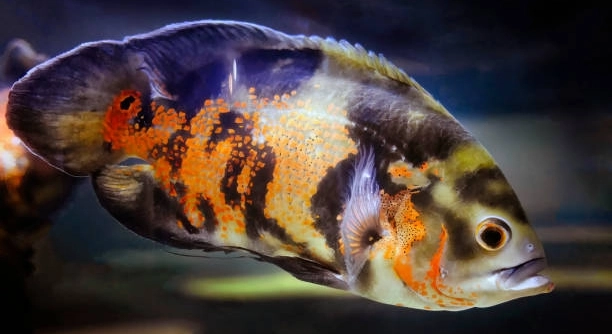
Oscar fish are popular among aquarium enthusiasts due to their unique personalities and vibrant colors. However, keeping them in groups can raise concerns about their behavior and compatibility with other fish.
Oscar fish are territorial by nature, and keeping them in groups is generally not recommended. They are known to become aggressive, especially as they mature, which can lead to stress or injury among tank mates.
Understanding how Oscar fish interact in their environment will help you create a peaceful setup. Their behavior and needs can vary, so it’s essential to learn how to manage them effectively.
Why Oscar Fish Are Better Off Alone
Oscar fish are known for their strong personalities. In their natural habitat, they are solitary creatures, and this behavior often carries over into the aquarium. Their territorial nature means they can be very protective of their space, and aggression is common when they share a tank with other fish. Even if you try to introduce other species, their strong instincts to dominate often create conflicts. While it might seem nice to have a group of Oscars, it usually leads to more stress than harmony. Overcrowding can also worsen the situation, especially if the tank is too small to accommodate multiple fish.
This territorial behavior is why many recommend keeping Oscar fish by themselves or with carefully chosen tank mates that can handle their strong presence. However, they are still social animals and will need attention and stimulation from you to stay happy and healthy.
Though they can live with other fish under certain conditions, you must make sure each Oscar has enough space and resources. A large tank is key, as it allows each fish to establish their own territory, reducing the likelihood of conflicts. Even then, you need to pay close attention to their interactions to avoid aggression. It’s also important to consider the type of fish you pair them with. Smaller, peaceful fish may not survive in the same tank. As Oscars grow larger, their tendency to dominate other fish only intensifies, making peaceful cohabitation increasingly difficult.
Setting Up the Right Environment
The tank environment plays a big role in Oscar fish behavior. Proper water quality, tank size, and decorations can impact how they interact with each other and other fish. A spacious aquarium with plenty of hiding spots can help reduce territorial disputes.
Tank Size and Its Impact on Oscar Behavior
Oscar fish need a large tank to thrive. A tank of at least 75 gallons is recommended for one fish. This provides enough room for them to establish territories without constant stress. If you plan to keep more than one Oscar, you’ll need an even bigger tank to prevent aggression.
A larger tank allows Oscars to swim freely and avoid overcrowding. It also ensures that the water quality remains stable, which is important for their health. Without enough space, Oscars can become stressed and territorial, leading to more aggressive behavior. The more space they have, the less likely they are to pick fights with each other.
As Oscars grow, they require more space. Adult Oscars can reach up to 14 inches in length, and they need room to move around. A tank that is too small for them can cause both physical and psychological stress. A bigger tank promotes a healthier, more peaceful environment for your Oscar fish.
Choosing the Right Tank Mates for Oscars
Oscar fish can be picky about their tank mates. They are not ideal for community tanks with small or peaceful fish. However, some larger, more aggressive fish may be compatible if there’s enough space. It’s important to carefully select fish that can defend themselves.
The Risk of Overcrowding
Overcrowding in an Oscar fish tank can lead to serious problems. With too many fish, territorial behavior becomes more intense, increasing the chance of fights. It’s also harder to maintain water quality in a crowded tank, which can negatively affect the health of all the fish.
Too many Oscars or other fish in the tank will create constant stress, both for the Oscars and any other inhabitants. Even with a large tank, overcrowding still leads to competition for space, food, and hiding spots. It’s important to strike a balance in the number of fish to keep things peaceful.
Tank Setup for Multiple Oscars
If you’re keeping more than one Oscar, consider adding plenty of hiding spots like caves, plants, or decorations. These features will give each Oscar a sense of privacy and reduce the chance of confrontations. It’s essential to provide areas where they can retreat if they feel threatened.
Monitoring Behavior for Peaceful Coexistence
Even with plenty of space and hiding spots, it’s important to observe your Oscars closely. If they show signs of aggression, you may need to separate them. Regular monitoring helps ensure that their environment stays calm and that they’re not stressed or harmed.
FAQ
Can Oscar fish live with other species?
Oscar fish are territorial and can be aggressive, especially as they grow older. While it’s possible to keep them with other large, hardy fish, such as certain species of cichlids, it requires careful planning. Smaller fish or slow swimmers are not ideal tank mates. Even other aggressive fish may struggle to coexist with Oscars if there’s not enough space or resources. You’ll need a large tank and must ensure that all fish have enough room to avoid territorial conflicts.
How big of a tank do Oscar fish need?
Oscar fish need a spacious tank to live comfortably. A minimum of 75 gallons is required for one adult Oscar. The tank size should increase if you plan on keeping more than one Oscar. A larger tank reduces aggression by providing each fish with enough space to establish its own territory. Keep in mind that Oscars grow to around 12 to 14 inches in length, and they need room to swim freely. Additionally, the larger the tank, the easier it is to maintain stable water quality, which is crucial for their health.
What types of fish can live with Oscar fish?
Oscar fish can coexist with other large, aggressive fish like jaguar cichlids or pacu. These fish have the size and aggression to hold their ground against an Oscar’s dominant behavior. Avoid placing Oscars with small or timid fish, as they can easily become targets. Also, make sure to choose fish that can handle the Oscar’s sometimes rough behavior. Adding larger, robust fish into the tank with Oscars can help create a more balanced environment, but you must always ensure there is plenty of space and hiding spots for all fish.
Can Oscars be kept together in a tank?
It is possible to keep multiple Oscars together, but it requires a large tank and careful monitoring. Oscars are highly territorial and can fight if they feel their space is being encroached upon. A tank of at least 100 gallons is recommended for more than one Oscar, but even then, aggression can occur. It’s important to provide plenty of hiding spots and space for each fish to retreat to. If aggression escalates, you may need to separate the fish to prevent injury. Keep a close eye on their interactions.
Do Oscars need tank mates for companionship?
Oscar fish are not schooling fish and don’t require tank mates for companionship. They can live happily on their own, though they do enjoy attention from their owners. While they are social in terms of interacting with their environment, they tend to be solitary in their behavior. Oscars don’t seek out other fish for comfort, but they do benefit from mental stimulation, so having a few compatible tank mates can help alleviate boredom. However, if you choose to keep them alone, they can still thrive as long as their needs are met.
How can I reduce aggression in my Oscar fish?
To reduce aggression in Oscar fish, ensure that the tank is large enough for them to claim their own territory. Providing plenty of hiding spots and decorations can help minimize confrontations. Maintaining stable water quality is also key, as poor water conditions can increase stress and aggression. If possible, avoid placing Oscars with other aggressive or territorial fish. In some cases, introducing fish of similar size and temperament may help balance their aggression. Regular observation of their behavior can help you identify potential issues before they escalate.
What are the signs of stress in an Oscar fish?
Oscar fish may show signs of stress if they’re feeling overcrowded, if there are issues with water quality, or if they are in an unsuitable environment. Signs of stress include erratic swimming, refusal to eat, and hiding more than usual. You may also notice discoloration or fading of their colors. In some cases, Oscars may develop physical wounds if they are fighting with tank mates. It’s important to monitor your Oscars closely, as stress can lead to serious health problems. Addressing the root cause of stress quickly can help prevent long-term issues.
Can Oscars be kept with other cichlids?
Oscar fish can sometimes live with other cichlids, but it depends on the species. Larger, more aggressive cichlids can tolerate Oscars, but there should always be enough space and hiding spots to reduce the chances of conflict. Smaller cichlids are not recommended because they are likely to become targets of the Oscars. It’s also important to monitor their interactions closely, as even other cichlids may challenge an Oscar’s dominance. The best approach is to introduce cichlids of similar size and temperament to reduce the likelihood of aggression.
Do Oscars need specific water conditions?
Oscar fish thrive in warm water, typically between 75-80°F (24-27°C), with a pH level of 6.5 to 7.5. They prefer slightly acidic to neutral water, though they are adaptable to various conditions. It’s essential to keep the water clean and well-filtered, as Oscars produce a lot of waste. Regular water changes (about 25% every two weeks) help maintain the proper conditions. If water quality is poor, Oscars may become stressed, which can lead to health issues. Using a reliable filtration system and monitoring the water parameters regularly is key to their well-being.
How often should I feed my Oscar fish?
Oscar fish are carnivores and should be fed a variety of foods, including pellets, live food, and frozen offerings such as shrimp or worms. It’s best to feed them once or twice a day, offering as much food as they can consume within 2-3 minutes. Overfeeding can lead to water quality issues, as uneaten food will decompose in the tank. Make sure to adjust the amount based on the size and appetite of your Oscar. A balanced diet helps maintain their health, ensuring they remain active and vibrant.
Why is my Oscar fish aggressive?
Oscar fish are naturally aggressive, especially as they mature. Their territorial behavior is a result of instinct and is common among many fish species. They will often become more aggressive as they grow larger and claim their space in the tank. Aggression can also be triggered by environmental stressors, such as poor water quality, overcrowding, or incompatible tank mates. If your Oscar is displaying heightened aggression, it’s important to evaluate the tank setup and make adjustments, such as increasing the tank size or rearranging decorations to create more territory.
Final Thoughts
Oscar fish can be a fascinating and rewarding species to keep, but they require specific care to thrive. Their strong personalities and territorial nature mean that keeping them in groups isn’t always the best choice. Oscars are best kept alone or with carefully chosen tank mates that can handle their aggressive tendencies. It’s important to consider their size, behavior, and the environment they need to live comfortably. Whether you’re new to keeping Oscars or have experience, ensuring they have enough space and a peaceful tank setup is key to maintaining their health and happiness.
Tank size is one of the most important factors when keeping Oscar fish. A 75-gallon tank is the minimum for one fish, and larger tanks are needed if you plan to keep more than one. Overcrowding can cause stress and aggression, leading to fights and other issues. By giving each fish enough space to establish its own territory, you’ll reduce the chances of conflicts. Also, a well-maintained tank with good filtration is crucial for keeping the water clean and safe for your Oscars. Stress from poor water quality can worsen aggression and lead to health problems.
While Oscar fish can be kept with other species, it’s not always advisable. They are not a good choice for community tanks, especially with smaller, peaceful fish. Choosing the right tank mates is essential to avoid stress and injury. Large, robust fish are the best options, as they can hold their ground against an Oscar’s dominant behavior. Regardless of how many fish you have in the tank, it’s important to monitor their interactions closely. Understanding their needs and behaviors can help ensure that your Oscar fish live in a happy and stress-free environment.

Hello,
If you enjoy the content that we create, please consider saying a "Thank You!" by leaving a tip.
Every little bit helps us continue crafting quality advice that supports the health, happiness, and well-being of pets around the world, for pets of all shapes, sizes, and species.
We really appreciate the kindness and support that you show us!