
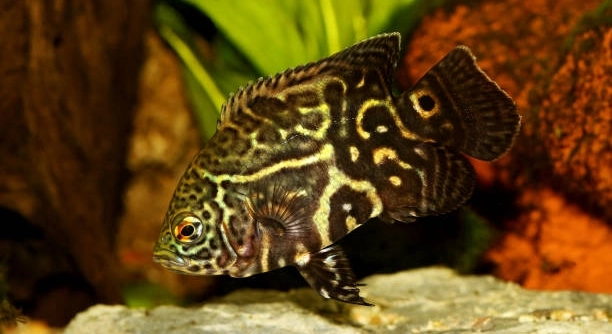
Do you keep Oscar fish but worry your dimly lit tank might not be the best environment for them to thrive in?
Oscar fish can adapt to lower light tanks, but this environment may slightly affect their behavior and coloration. They rely more on water quality, space, and diet than lighting levels to stay healthy.
Understanding how Oscar fish respond to light changes can help you make better choices for their care and well-being in your aquarium.
How Light Affects Oscar Fish
Light plays a role in how Oscar fish behave and appear. In lower light tanks, they may become less active during the day and show slightly muted colors. Their internal clock, or circadian rhythm, relies on consistent light cycles to regulate feeding, rest, and energy levels. While Oscars are hardy and can manage in less-than-ideal lighting, extreme or sudden changes in brightness can cause stress. A soft, stable lighting setup helps them feel secure. It also allows you to better observe them and detect any signs of illness. Even with less light, what matters most is tank size, clean water, and a proper diet. These factors support their growth, behavior, and immune system far more than lighting alone. So, while they might not look as vibrant in a dim tank, their health won’t suffer as long as their environment is clean, stable, and spacious.
Lower light might make your Oscar fish rest more often and stay closer to hiding spots, especially during the day.
Even though they adapt, maintaining a consistent day and night cycle is still helpful. You can achieve this by turning tank lights on and off at the same time daily. Some owners use timers for this. It mimics a natural rhythm and keeps the fish calmer. In dim tanks, feeding and cleaning routines become more important. Their food intake, water changes, and behavior should be monitored closely. Keep in mind that low light makes algae less likely to grow, which can reduce cleaning efforts. Still, poor lighting shouldn’t replace other forms of care. If the rest of the tank conditions are balanced, Oscars can stay strong even without bright lights. Just be sure to provide a few shaded and open areas in the tank for them to explore as they wish.
Creating a Comfortable Tank
Oscar fish are naturally curious and need enough space to swim freely, regardless of lighting.
In dim tanks, add contrast with darker substrate and floating plants. This helps them feel safe while also improving visibility. Avoid sudden light changes, as this can startle them. You can use gentle LEDs or ambient room light to create a calm mood. Tank mates should also be considered carefully—peaceful species are ideal, since stress can increase in a poorly lit environment. Add hiding spots like rocks, caves, or driftwood to reduce tension. Good filtration, regular water testing, and stable temperatures will do more for their well-being than light alone. Still, if your Oscar appears sluggish or starts losing color, brighter lighting might help. Just introduce it gradually. Dim tanks aren’t a problem as long as other care steps are solid. A little consistency with lighting and routine will help your Oscar adjust well to its space.
Feeding Behavior in Low Light
Oscar fish may take longer to notice food in a dim tank. They rely partly on sight when feeding, so low light can affect how quickly they respond. Uneaten food should be removed to maintain water quality.
In lower light, feeding routines should be more consistent. Try to feed them at the same time each day so they learn when to expect food, even if visibility is low. Use floating pellets or brightly colored food to help them locate it faster. If your Oscar seems slow to eat, reduce distractions during feeding. Avoid overfeeding since waste builds up faster in dim tanks, where algae and plant life are limited. You may need to monitor closely until your fish gets used to the change. Over time, Oscars often adjust and begin to recognize feeding cues like tank vibrations and your presence.
Oscars have a good memory and can learn to associate movement or sounds with feeding time. If lighting is reduced, use those cues to help guide them. Tapping lightly on the tank or placing your hand in a visible spot before feeding may signal that food is coming. This helps reduce stress and confusion during feeding. Also, watch their body condition over time. A well-fed Oscar should not look bloated or skinny. If you notice any unusual behavior—such as ignoring food for days or swimming erratically—it may be time to reassess the lighting or other tank conditions. Keeping their environment quiet and free from sudden changes will make them more comfortable when feeding, especially if vision is limited by dim lighting.
Signs of Stress to Watch For
Oscars kept in poorly lit tanks might become more withdrawn, aggressive, or inactive. These behaviors can be linked to stress caused by environmental changes, including lighting.
Watch for signs like rapid breathing, lack of appetite, color fading, or excessive hiding. These behaviors may mean your Oscar isn’t comfortable with the lighting or other tank conditions. Stress can weaken their immune system, making them more likely to develop illnesses like ich or fin rot. A stressed Oscar may also lash out at tank mates, especially if it feels cornered or uncertain in its surroundings. Try improving light gradually rather than making sudden changes. Use dimmable lights if possible or increase ambient lighting in the room to reduce the contrast. Regular water tests, weekly cleaning, and a stable feeding schedule can help your fish feel more secure. Keep a close eye on their energy and behavior patterns every few days.
Adjusting Light Without Stress
Make any lighting changes slowly. Sudden brightness can startle Oscar fish and cause them to panic or hide. Use a dimmable light or increase brightness over several days to avoid stress or confusion.
If switching lights or adding new fixtures, keep the first few days short and calm. Let them adjust gradually.
When Dim Light May Not Be Enough
While Oscar fish can live in low light, it may not be ideal long-term. Dim tanks make it harder to spot early signs of illness or water issues. Some fish may also become less active over time. If your Oscar seems dull or unresponsive, try increasing light gently. A few extra hours of soft light can boost their activity without overwhelming them. Also, tanks with live plants may require more brightness, which benefits water quality. Balance is key—too much light can cause algae, but too little can affect your Oscar’s behavior. Aim for soft, even lighting that supports both visibility and fish comfort.
Best Practices for Stability
Keep lighting routines steady every day. Fish respond better to consistent timing than constant changes.
FAQ
Can Oscars live in low light tanks long-term?
Yes, Oscars can live in low light tanks, but it’s not the best long-term option. They can adapt, though they may become less active or have reduced color vibrancy. As long as the other tank conditions—like water quality, space, and diet—are maintained, they can survive in dim light. However, a balanced environment with some light is ideal for their well-being.
What type of lighting is best for Oscars?
Soft, moderate lighting is best for Oscars. Bright lights can stress them out, while too little light can affect their behavior. A natural light cycle with 10–12 hours of light each day works well. Avoid harsh fluorescent lights. LED lights that mimic natural sunlight or dimmer options are better for providing the necessary light without overwhelming them.
Do Oscars need light to eat?
While Oscars rely on sight to find food, they can adjust to eating in dimmer light. However, lower lighting may slow down their response time, especially if they struggle to see their food. You can help by using brightly colored pellets or floating food that’s easier for them to locate. Make sure to follow a consistent feeding routine so they know when to expect food.
Will low light affect my Oscar’s health?
Low light can indirectly affect your Oscar’s health if it leads to stress or poor tank maintenance. Oscars are more likely to hide in dim environments, which could make it harder to spot signs of illness. A stable environment with proper water parameters and a healthy diet is more important for their health than lighting alone.
How do I know if my Oscar is stressed due to low light?
Signs of stress include reduced activity, faded colors, erratic swimming, or hiding more than usual. If your Oscar is eating less, breathing rapidly, or showing aggression toward tank mates, it might be a sign of stress. These signs could stem from low light or other tank conditions, so monitor all aspects of the aquarium carefully.
Should I increase the lighting if my Oscar isn’t eating?
If your Oscar isn’t eating, it’s worth trying to adjust the lighting. Gradually increasing the brightness can help them feel more comfortable and boost their appetite. However, if they continue to refuse food, check other factors like water quality or stress from tank mates. Lighting alone may not be the sole cause.
How can I help my Oscar feel safe in a dim tank?
Creating hiding spots and reducing stressors in the tank can help your Oscar feel more secure. Add rocks, driftwood, or plants to provide cover where your fish can retreat when they feel overwhelmed. It’s also important to maintain a consistent routine, including feeding and water changes, to keep them calm.
Can low light cause my Oscar to lose color?
Yes, Oscar fish may lose some color in low light, as they may not express their full vibrancy in dim environments. This is usually temporary. If you increase the lighting gradually, you may notice their colors returning over time. However, other factors like stress, illness, or diet also play a role in color fading.
What if my Oscar prefers darker areas of the tank?
If your Oscar seems to prefer darker areas, it could be because it feels safer in those spots. Oscars are naturally shy and will seek shelter when stressed. This behavior is normal and not necessarily a sign of poor health. Just make sure to offer enough space for them to swim freely, even if they hide often.
Can Oscars be kept with other fish in low light tanks?
Yes, Oscars can live with other fish in low light tanks, but it’s important to choose peaceful species. Oscars can be aggressive, especially if stressed, so be careful with tank mates. Always ensure that your tank is large enough and that all fish have enough space and hiding spots to minimize conflict.
What do I do if my Oscar is constantly hiding in a low light tank?
If your Oscar is constantly hiding, it could be due to stress from low light, poor water quality, or an unsuitable tank mate. First, check your water parameters and make sure your tank is clean. You might also want to try increasing the light gradually or adding more hiding places to help your Oscar feel more secure.
How often should I change the lighting in my Oscar’s tank?
Lighting should stay consistent with only gradual changes. You don’t need to change it frequently, as Oscar fish do well with a stable light cycle. If you need to replace the bulb or fixture, try to do it slowly over a few days to avoid disturbing your fish. Sudden changes in lighting can cause stress.
Is it okay to use ambient room light for Oscars?
Ambient room light can work as a source of lighting for Oscars, especially if it’s soft and natural. However, it’s important to ensure they still have a regular light cycle. You may need additional lighting to properly monitor their health and behavior. Ambient light alone may not be enough for a thriving environment.
Final Thoughts
Oscar fish are resilient and adaptable creatures, but their environment plays a significant role in their well-being. While they can manage in lower light tanks, it’s important to remember that light affects more than just their appearance. Oscars rely on a stable environment to thrive, and lighting is a part of that. Low light can lead to less activity, reduced coloration, and stress. However, with proper care and attention to other tank factors, Oscars can live comfortably even in dimly lit tanks. The key is ensuring the rest of the tank conditions—such as water quality, diet, and space—are up to standard.
Despite their ability to adapt, it’s best not to keep Oscars in low light environments long-term if it can be avoided. A balanced lighting setup not only supports their physical health but also helps you monitor their behavior and spot potential issues. Even subtle changes in lighting can impact their mood, feeding habits, and overall energy levels. Keeping a consistent lighting routine with a gentle, soft light can help your Oscar feel secure. It also promotes a more natural day-night cycle that is essential for their overall health. Lighting doesn’t need to be extreme, but a steady, moderate light level will improve both their comfort and your ability to care for them.
Ultimately, Oscar fish are adaptable but thrive in environments that are consistent and balanced. Lighting is just one element of this equation. While low light is not necessarily harmful, it’s important to strike a balance that works for both you and your fish. By maintaining stable water conditions, providing appropriate space, and ensuring a consistent feeding schedule, your Oscar can continue to live a healthy, happy life. Whether you choose to use low light or adjust the brightness for your Oscar, it’s always essential to focus on their overall comfort and care.

Hello,
If you enjoy the content that we create, please consider saying a "Thank You!" by leaving a tip.
Every little bit helps us continue crafting quality advice that supports the health, happiness, and well-being of pets around the world, for pets of all shapes, sizes, and species.
We really appreciate the kindness and support that you show us!