
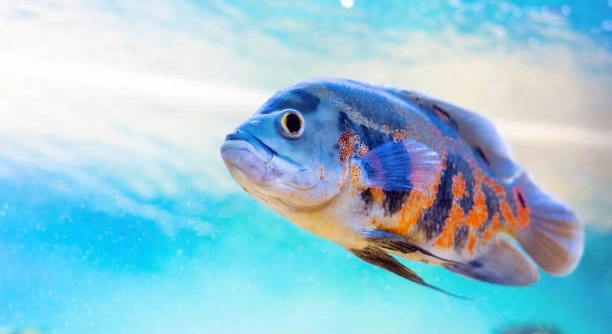
Have you ever noticed your Oscar fish acting oddly when there are more fish in the tank than usual? It might not be random behavior. Subtle changes in their surroundings can lead to surprising shifts in their mood and actions.
Oscar fish can show noticeable behavioral changes in crowded environments. Increased tank population may cause stress, territorial aggression, or withdrawn behavior. These shifts often stem from limited space, disrupted hierarchy, or overstimulation, affecting their overall well-being and social interaction.
Learning what causes these behaviors can help you create a more peaceful and healthy space for your Oscar fish.
Why Oscar Fish React to Crowded Spaces
Oscar fish are known for their strong personalities and territorial behavior. When they’re placed in a tank that’s too full, they often become stressed or aggressive. This happens because their space is limited, and their ability to claim territory is reduced. They might lash out at tank mates, hide more often, or stop eating. These are natural responses to feeling threatened or overwhelmed. Unlike some peaceful fish species, Oscars prefer having room to move and a clear zone they can call their own. Too many fish disrupt that balance. A crowded tank also increases waste, which affects water quality and adds even more pressure. This environment can quickly lead to a decline in their health and behavior. The signs may not be obvious right away, but over time, you’ll notice changes in their mood. Giving them the right space can make a big difference in how they behave.
Even small changes in their environment can create a stressful atmosphere that alters their normal actions and reactions.
Keeping a close eye on your Oscar fish helps you understand their behavior patterns better. A once-active fish that now hides often may be overwhelmed. Creating enough room for them to swim and establish territory is essential.
What You Can Do to Help
Crowded tanks often lead to behavior problems in Oscar fish. Giving them more space is one of the most effective ways to improve their mood and health.
Start by checking the tank size. A single adult Oscar needs at least 55 gallons, and more if there are tank mates. If your tank is too small, consider upgrading. Reducing the number of fish in the tank is another way to relieve pressure. Add hiding spots using driftwood or large rocks, but keep an open area for swimming. Monitor water quality regularly, as high waste levels in a crowded setup can quickly affect fish health. Use a strong filter system to help keep things clean. Feeding time can also be tense in crowded tanks, so space out food or feed at different corners to minimize conflict. When introducing new fish, watch for signs of aggression or stress. Giving Oscars a steady, comfortable environment makes them more relaxed and less reactive. Small steps like these can prevent long-term issues and support their natural behaviors.
How Tankmates Influence Oscar Fish Behavior
Oscar fish don’t always get along with others, especially in small spaces. Their behavior can shift when they feel their territory is threatened, often resulting in displays of dominance or aggression toward their tankmates.
In a mixed tank, Oscars may become more territorial as they try to assert control. This can lead to chasing, nipping, or isolating other fish. Passive species often get bullied, while other aggressive fish may fight back, raising stress levels for everyone involved. Compatibility plays a big role here. If the tankmates are too active or too similar in behavior, your Oscar might see them as rivals. This often leads to more aggressive displays, especially during feeding times or when hiding spots are limited. Watching how your Oscar interacts with others gives helpful clues. If their behavior changes when new fish are added, it may be time to reconsider your tank setup.
Keeping tankmates that match your Oscar’s temperament is key to preventing stress. Avoid pairing them with very small or extremely aggressive fish. Ideal companions are larger, calm species that won’t challenge them for territory or food. Monitor any changes in swimming patterns, feeding habits, or hiding behavior. These shifts often signal your Oscar feels threatened or unsettled.
How Environment Affects Mood and Activity
A stable environment plays a huge role in how your Oscar fish behaves. Changes in lighting, noise, or water conditions can all impact their mood and activity levels more than you might expect.
Oscars are highly sensitive to their surroundings, and something as simple as loud noises or constant movement outside the tank can make them anxious. Sudden shifts in temperature, poor water quality, or a lack of enrichment can leave them feeling unsettled. You might see them pacing, refusing to eat, or hiding more often. These are signs that something in the environment is throwing them off. Use a reliable heater and filter, and maintain a steady light cycle to mimic natural rhythms. Adding a few stable decorations or hiding spots helps give them a sense of control and comfort, especially in busy rooms or shared spaces. Small adjustments can lead to more consistent and calm behavior.
Signs Your Oscar Fish Is Stressed
Look for changes in eating habits, like skipping meals or spitting out food. Stress can also show up as color fading or sudden aggression. These signals usually mean your Oscar is uncomfortable with its current environment.
Erratic swimming, constant hiding, or glass surfing are other red flags. These actions often mean your fish feels unsafe or overwhelmed. A stressed Oscar might also react more strongly to noises or movement around the tank.
How to Adjust the Tank for a Calmer Oscar
Start with checking the water quality—high ammonia or nitrates are common stress triggers. Do regular water changes and test the levels weekly. Keep the temperature between 74–81°F, and maintain a stable pH. Avoid sudden changes in lighting or adding too many new fish at once. Rearranging tank decor can also help reset territorial disputes. Use natural-looking hiding spots like large rocks or driftwood to make your Oscar feel more secure. Keep outside distractions to a minimum. If the tank is in a noisy room or gets a lot of foot traffic, consider placing it somewhere calmer. Even small shifts in environment can help reduce your Oscar’s stress and restore balance.
When to Give Your Oscar More Space
If your Oscar is growing quickly or becoming more aggressive, it may be time for a larger tank. Outgrowing their space leads to stress and unhealthy behavior. Give them room to swim freely and mark their territory.
FAQ
Can Oscar fish get overwhelmed in busy tanks?
Yes, Oscar fish can become overwhelmed if their environment is too chaotic. A crowded tank with constant activity, both inside and outside the glass, can stress them out. They prefer a calm space with room to swim and claim territory. Too many tankmates competing for food or space can trigger aggressive behavior or cause them to hide. Even the noise and movement from a high-traffic room can impact their mood. Keep their space quiet, organized, and well-sized to avoid sensory overload.
Do Oscars recognize changes in their surroundings?
Oscar fish are very aware of changes in their tank. They can notice when decorations are moved, new fish are added, or lighting shifts. These changes might make them curious or stressed, depending on how drastic the difference is. Even water temperature or flow changes can affect how they behave. They often react by exploring the new layout or becoming territorial again. Keeping things consistent helps them feel secure. When changes are needed, try doing them gradually so your Oscar has time to adjust.
Is it normal for Oscars to act differently when people are around?
Yes, Oscar fish are smart and observant. Many Oscar owners notice their fish respond to their presence, often swimming to the glass or following movements. But in a crowded or noisy room, this behavior can shift. They may become more cautious, retreat to hiding spots, or stop eating. Over time, they might adapt, but too much activity can still stress them out. Keeping their tank in a quieter spot usually leads to more consistent and calm behavior. Every Oscar is different, but most prefer some peace.
Why does my Oscar fish act aggressively all of a sudden?
Sudden aggression can be caused by several things. It may be due to changes in their environment, like a new tankmate, different lighting, or limited space. Stress, illness, or hormonal changes—especially as they grow—can also make them more defensive. If your Oscar starts flaring fins, chasing fish, or attacking decorations, take a closer look at tank conditions. Make sure they have enough room and that water quality is stable. Aggression is sometimes their way of telling you something feels off.
Do Oscar fish get along better with certain species?
Yes, but it depends on the individual fish and tank setup. Oscars tend to do better with larger, similarly tempered fish like silver dollars or larger catfish. Small or overly aggressive tankmates are risky. If a fish is too small, your Oscar might view it as food. If it’s too aggressive, your Oscar could become stressed or fight back. Compatibility isn’t just about size; behavior and space also matter. Always research and monitor interactions closely when adding any new species.
Can the tank size really affect Oscar behavior that much?
Absolutely. A cramped tank can lead to frustration, boredom, and territorial aggression. Oscars need space to swim and explore. A minimum of 55 gallons is recommended for one adult Oscar, but more is better. If they share space, increase the tank size significantly. Without enough room, they may become more aggressive or develop health issues. A bigger tank helps reduce stress and allows for more stable water conditions, which makes a big difference in their mood and activity levels.
How do I know if my Oscar feels secure in its tank?
When an Oscar feels safe, it swims with ease, eats regularly, and explores its surroundings. It might even interact with you through the glass. If it’s hiding constantly, showing dull colors, or acting jumpy, it may not feel secure. A secure Oscar usually has a few hiding spots, consistent lighting, and predictable feeding routines. Watching your fish’s daily behavior gives you the best clues. Calm, steady behavior usually means it’s comfortable with its environment and tankmates.
What are some small changes that help Oscars feel more at ease?
Start by checking the lighting—dim lighting or using a day-night cycle helps them stay relaxed. Add a few more hiding spots using smooth rocks or driftwood. Make sure the tank isn’t near speakers or heavy foot traffic. Keep water parameters stable and feed them on a schedule. Avoid rearranging things too often, and introduce new tankmates slowly. Even simple steps like adding floating plants or reducing outside movement can calm your Oscar and encourage natural, relaxed behavior.
Final Thoughts
Oscar fish are fascinating pets with strong personalities and clear preferences. They react to their environment more than many other fish, and changes in behavior often point to something they’re feeling. A crowded room, noisy surroundings, or too many tankmates can influence how they act day to day. Some Oscars might become more aggressive, while others may hide or stop interacting altogether. These shifts are often tied to stress, lack of space, or unfamiliar conditions. Recognizing these signs early and adjusting their environment can make a big difference in how comfortable and calm they feel.
Keeping things consistent helps Oscar fish stay at ease. This includes regular feeding schedules, stable water conditions, and limited rearranging of their tank. If they’re in a room with a lot of foot traffic or loud sounds, placing their tank in a quieter area may help reduce stress. Giving them enough space and providing places to hide allows them to choose when they want to interact or stay out of sight. Each Oscar is a little different, so what works for one might not work for another. Observing how your fish reacts and slowly making changes is the best approach.
Overall, Oscar fish thrive when their needs are respected. They are not just colorful additions to a tank—they are responsive and observant creatures that show their emotions through behavior. Understanding how crowding, noise, and tank conditions affect them can lead to a more peaceful and balanced environment. Whether you’re new to owning Oscars or have kept them for years, paying attention to small changes in behavior can help you catch issues before they become problems. By giving them space, stability, and a calm setting, you give your Oscar the best chance to stay happy and healthy.

Hello,
If you enjoy the content that we create, please consider saying a "Thank You!" by leaving a tip.
Every little bit helps us continue crafting quality advice that supports the health, happiness, and well-being of pets around the world, for pets of all shapes, sizes, and species.
We really appreciate the kindness and support that you show us!