
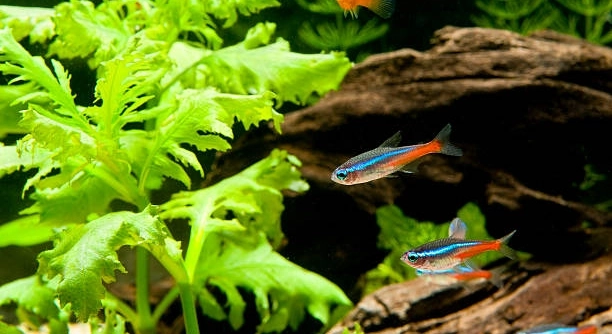
Neon Tetras are popular aquarium fish known for their bright colors and peaceful nature. Their care is fairly straightforward, but ensuring their proper environment is crucial to their well-being.
Neon Tetras, like all fish, require oxygen to survive. They rely on oxygenated water to breathe, which is typically supplied through filtration and aeration. Without adequate oxygen, they can struggle to thrive and may suffer health issues.
Understanding how to keep your Neon Tetras safe goes beyond just oxygen levels. Keeping their tank clean and ensuring proper water quality will help them stay happy and healthy for longer.
Why Oxygen Is Essential for Neon Tetras
Neon Tetras, like most fish, need oxygen to survive. They don’t breathe air like humans, but instead absorb oxygen directly from the water through their gills. Without oxygen, they will become stressed and weakened, which can eventually lead to death. In the wild, they live in well-oxygenated waters, where the natural flow keeps the water fresh. If your tank is not providing a similar environment, your Tetras will struggle.
When you set up your tank, it’s important to ensure that the water is properly aerated. This can be achieved through filtration systems, air pumps, or water movement, which all help to introduce oxygen into the water. Without proper oxygenation, your Neon Tetras may appear lethargic, or they might start gasping at the water surface.
Make sure you’re regularly testing the oxygen levels in your aquarium to maintain a healthy environment. If you notice any changes in your fish’s behavior, it could be a sign that their oxygen levels need attention.
How to Maintain Proper Oxygen Levels
To keep the oxygen levels balanced, it’s vital to maintain good water quality. Filtration systems should be running efficiently to filter out waste and debris. Regular water changes are also necessary to keep the water fresh and to replenish the oxygen supply.
Maintaining a stable temperature in the tank is just as important. Warmer water holds less oxygen than cooler water, so it’s crucial not to let the tank temperature rise too high. Neon Tetras thrive best in water between 70 and 81°F (21-27°C). Adding live plants to the tank can also help, as they release oxygen during photosynthesis, benefiting your fish.
Another simple way to increase oxygen is by installing an air pump. This will improve water circulation, creating a more oxygen-rich environment. Additionally, you can choose filtration systems that agitate the surface of the water. The more surface area the water has, the more oxygen it can absorb.
Signs of Low Oxygen Levels in Your Tank
If your Neon Tetras are swimming near the surface or gasping for air, it could be a sign that oxygen levels are low. Fish naturally seek oxygen-rich areas, and the surface often provides more oxygen.
In addition to gasping at the surface, other signs of low oxygen include lethargy, unusual swimming patterns, or rapid gill movement. Your fish may spend more time near the water surface as they try to get more oxygen, which is not a natural behavior for Tetras. This behavior indicates that the water might not be providing enough oxygen for them to thrive. Keep an eye on any sudden changes in their movements and behavior.
To ensure the health of your Neon Tetras, test the water regularly to check for low oxygen levels. If you notice any concerning behavior, consider adjusting the tank setup, adding more oxygen sources, or performing a water change to improve the situation.
Proper Tank Setup for Neon Tetras
A well-maintained tank is key to ensuring your Neon Tetras have enough oxygen. Filtration systems are essential in keeping the water clean and oxygenated. Choose a filter that is suitable for the size of your tank to ensure it’s providing the right amount of circulation.
To create the best environment for your Tetras, maintain stable water conditions. Temperature, pH, and hardness all play a role in the oxygen levels. Neon Tetras prefer slightly acidic water, with a pH between 6.0 and 7.0. You’ll want to avoid large temperature fluctuations, as extreme changes can stress the fish. By keeping these factors in check, you’ll help maintain healthy oxygen levels in your tank.
In addition to these measures, incorporating plants into your tank can assist in oxygen production. Live plants help by absorbing carbon dioxide and releasing oxygen, which naturally benefits your Neon Tetras. However, it’s important not to overcrowd the tank with too many plants, as this could reduce the oxygen flow.
How to Increase Oxygen in Your Aquarium
Increasing oxygen in your aquarium is crucial for your Neon Tetras’ health. Adding an air pump or adjusting the filter can help. Water movement is key to ensuring proper oxygen exchange.
An air pump will provide extra oxygen by agitating the water’s surface, improving gas exchange. If the filter does not provide enough circulation, consider upgrading to a more powerful one. You can also position the filter outflow in a way that encourages surface agitation, further promoting oxygen exchange. Ensure that your tank’s surface is being disturbed enough to allow oxygen to enter.
With these adjustments, you’ll provide your fish with the oxygen they need to thrive.
Common Oxygen Issues in Neon Tetras
Neon Tetras can face oxygen issues if their tank isn’t properly maintained. High temperatures, overstocked tanks, and poor filtration are common causes of low oxygen levels. Make sure to keep water conditions stable to prevent stress.
Poor water quality is another common issue that affects oxygen levels. Ammonia or nitrite spikes can suffocate fish, reducing their access to oxygen. Regularly test your water for toxins to avoid this problem. By keeping the water clean and ensuring proper filtration, you can easily maintain healthy oxygen levels. This will prevent your Neon Tetras from experiencing oxygen deprivation.
FAQ
Can Neon Tetras live without a filter?
Neon Tetras can survive without a filter for a short time, but it’s not recommended for long-term care. Filters help maintain water quality by removing waste, uneaten food, and harmful chemicals like ammonia. Without a filter, you’ll need to perform more frequent water changes to keep the water clean and oxygenated. However, if you do choose to go without a filter, it’s essential to monitor water conditions carefully and keep the tank clean.
Do Neon Tetras need an air pump?
While Neon Tetras don’t technically need an air pump to survive, it can greatly improve their environment. An air pump helps increase water oxygenation by agitating the surface, ensuring there is a constant exchange of gases. This is particularly helpful in smaller tanks or tanks with low water movement. If your filter already creates surface agitation, you might not need an additional air pump. But for optimal oxygen levels, especially in heavily stocked tanks, adding one can be beneficial.
How can I tell if my Neon Tetras are stressed?
Stressed Neon Tetras often exhibit a few signs. They may swim erratically, spend too much time near the water surface, or become more aggressive toward tankmates. A stressed fish can also lose its bright color and appear pale or dull. If your Tetras are hiding frequently or not eating as much, it could also be a sign that something’s off in their environment. Regularly check water quality and ensure there are no drastic temperature or pH fluctuations.
What temperature do Neon Tetras prefer?
Neon Tetras prefer water temperatures between 70°F and 81°F (21°C to 27°C). Keeping the water within this range helps them stay comfortable and healthy. If the temperature fluctuates too much, it can cause stress, which can impact their immune system and overall health. A stable, warm tank environment with proper filtration and oxygenation is ideal for these fish.
Do I need to do water changes for Neon Tetras?
Yes, water changes are essential for maintaining a healthy environment for your Neon Tetras. The frequency of water changes depends on factors like tank size, stocking levels, and filtration. A general rule of thumb is to change 20-30% of the water every week. This helps remove waste, prevent harmful chemical buildup, and maintain oxygen levels. If your tank is heavily stocked, you might need to do more frequent changes.
Can I keep Neon Tetras with other fish?
Neon Tetras are peaceful and get along well with other non-aggressive fish. They do best in schools of at least six fish, as this reduces stress. Good tankmates include other small, peaceful fish like guppies, rasboras, or mollies. Avoid larger or more aggressive fish that might bully or eat your Tetras. It’s also important to ensure that all tankmates have similar water temperature and pH requirements.
How often should I feed my Neon Tetras?
Neon Tetras should be fed once or twice a day. Only offer what they can consume in 2-3 minutes to avoid excess food that can contaminate the water. Overfeeding can lead to poor water quality and higher waste production. Make sure to offer a varied diet that includes flakes, pellets, and occasional live or frozen food like brine shrimp. This will keep your Tetras healthy and active.
What should I do if my Neon Tetras are gasping for air?
If your Neon Tetras are gasping at the surface, it usually means there isn’t enough oxygen in the water. First, check your filtration system to ensure it’s working properly. You may need to increase water movement or add an air pump to improve oxygen levels. Also, check the water temperature and pH, as extreme changes can affect oxygen levels. If the behavior persists, test the water for harmful chemicals like ammonia, nitrites, and nitrates, and perform a water change if needed.
Can Neon Tetras survive in a tank with poor water quality?
Neon Tetras are sensitive to poor water quality, which can lead to stress, illness, or even death. They need clean, well-oxygenated water to thrive. Ammonia, nitrites, and high nitrate levels can harm them. To avoid this, maintain a good filtration system, perform regular water changes, and test water parameters often. If water quality is not up to par, your Tetras won’t live as long or as happily.
How can I keep my Neon Tetras active and healthy?
To keep your Neon Tetras active, ensure they have enough space to swim and a stable, clean environment. Regular water changes, proper filtration, and the right temperature range are crucial. Adding live plants and hiding spots can make your fish feel more secure and reduce stress. A balanced diet will also help keep them healthy and energized. By providing these basic needs, your Tetras will remain happy and lively.
Final Thoughts
Taking care of Neon Tetras is not too complicated, but it does require attention to their environment. Ensuring that your tank has enough oxygen is one of the most important factors in keeping them healthy. Without proper oxygenation, your Tetras can experience stress, which might lead to illness or even death. By making sure your tank has good filtration, an air pump, or even live plants, you can easily maintain the right oxygen levels. A little effort in these areas goes a long way in ensuring your Neon Tetras thrive.
Another key aspect of keeping your Tetras healthy is monitoring water quality. Regular water changes, proper filtration, and stable water conditions will help your fish avoid common issues. Neon Tetras are sensitive to poor water quality, so you should check for ammonia, nitrites, and nitrates regularly. A clean, stable tank will not only support your Tetras’ oxygen needs but will also promote overall health. This helps prevent stress and other health problems that could affect your fish’s longevity.
Lastly, paying attention to the behavior of your Neon Tetras is crucial. If they are spending too much time at the surface or swimming erratically, it may be a sign that something is wrong with their environment. Observing their behavior and responding quickly to any signs of distress will help keep them in good health. With proper care, Neon Tetras can live happily for several years. Maintaining a healthy tank setup, keeping an eye on oxygen levels, and ensuring clean water will ensure your fish remain active and vibrant.

Hello,
If you enjoy the content that we create, please consider saying a "Thank You!" by leaving a tip.
Every little bit helps us continue crafting quality advice that supports the health, happiness, and well-being of pets around the world, for pets of all shapes, sizes, and species.
We really appreciate the kindness and support that you show us!