
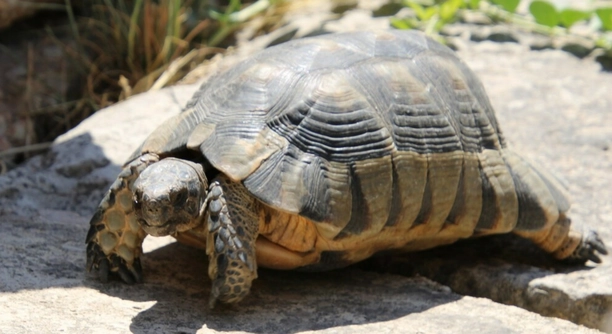
Marginated tortoises are popular pets, but have you ever thought about their survival in the wild? These creatures have specific needs that may differ from their life in captivity.
Marginated tortoises can survive in the wild, but their chances are greatly influenced by habitat, food availability, and environmental factors. In their natural range, they possess strong adaptation skills that allow them to thrive in harsh conditions.
Understanding these skills helps us appreciate the tortoise’s ability to adapt. Let’s explore how their natural instincts play a role in their survival.
Natural Habitat of Marginated Tortoises
Marginated tortoises are native to southern Europe, primarily found in Greece, Italy, and parts of Turkey. These regions offer the perfect balance of Mediterranean climate—warm summers and mild winters—where these tortoises thrive. They are adapted to dry, rocky hillsides and grasslands, which provide both shelter and food. The landscape is rough, often dotted with shrubs and small trees. They are commonly found in areas with plenty of sun and a variety of vegetation to munch on, including grasses, herbs, and some fruits. During the colder months, tortoises hibernate, conserving their energy and staying safe from extreme temperatures.
These tortoises have evolved to handle the fluctuations in temperature and the varying availability of food. They are able to burrow into the ground for protection from the heat or cold. This ability to retreat into burrows, combined with their slow metabolism, helps them conserve water and survive through harsh seasons.
Understanding their native environment helps us see why their care in captivity must mimic similar conditions. Without proper climate control and access to food that matches their natural diet, their well-being can be compromised.
Adaptations for Survival
Marginated tortoises have unique ways of surviving in the wild, such as their ability to store water in their bodies.
They can withstand periods of drought thanks to their ability to retain water in their body tissues. This survival trait makes them more resilient in dry climates where access to water can be limited. Additionally, their thick, bony shells offer protection from predators, helping them stay safe from potential threats.
These tortoises are not fast movers, so relying on their shell for protection is key. They also tend to be most active during the morning and late afternoon to avoid the harsh midday sun. Their strong instincts, including seeking out shaded areas and burrows, help them manage extreme temperatures.
Their dietary habits also support their survival. They eat a variety of vegetation, which provides essential nutrients. This range in diet ensures that they can find enough food in different environments.
Adaptation to Food Availability
Marginated tortoises are opportunistic feeders, adapting to whatever food is available in their environment. They feed primarily on grasses, flowers, and shrubs, making them herbivores. Their diet changes with the seasons, as certain plants become more or less available. In the spring and summer, they feast on lush, green vegetation, while in the colder months, their options shrink.
Their ability to adapt their diet to the available resources helps them survive in environments with fluctuating food supplies. They also tend to eat slowly, which allows them to digest food efficiently and get the most nutrition from what they find. This slow metabolism allows them to go for long periods without eating when food is scarce.
These feeding habits make marginated tortoises well-suited to their natural environment, where food can be sparse during hot or dry periods. When they can’t find fresh plants, they have evolved to survive on what is available, including dry grasses and even fallen fruits.
Hibernation and Seasonal Behavior
Marginated tortoises are known for their ability to hibernate, a crucial adaptation for surviving harsh winters. During colder months, they enter a state of dormancy, slowing down their metabolism to conserve energy. They typically burrow underground to escape the cold, where they remain until the temperatures rise again in the spring.
Hibernation helps the tortoises avoid the challenges posed by the cold season. By conserving energy and avoiding extreme temperatures, they can survive when food is scarce and conditions are less favorable. This behavior is especially important for ensuring their survival in regions with harsh winter climates.
The timing and duration of hibernation can vary depending on the weather, with tortoises emerging when it becomes warmer and food becomes available again. This instinct to hibernate is one of their key survival strategies in the wild, allowing them to endure the changing seasons without significant hardship.
Climate Adaptability
Marginated tortoises are well-suited to varying climates, particularly Mediterranean environments. They can tolerate hot, dry conditions and are resilient against extreme temperatures. Their ability to endure heat is a significant factor in their survival, allowing them to remain active when other animals seek shelter from the sun.
These tortoises are also capable of adjusting to cooler temperatures during the winter months. Their burrowing behavior is key, as it helps them regulate body temperature and protect themselves from freezing conditions. This adaptability allows them to survive in regions where weather can change dramatically throughout the year.
Predators and Defense
Marginated tortoises rely on their hard, bony shells for protection against predators. They can withdraw into their shells when threatened, offering a formidable defense. This protective behavior is vital in the wild, where various animals may pose a risk to their safety.
While they are slow and not agile in escaping danger, their shell provides a nearly impenetrable barrier. This defense mechanism has kept them safe from larger predators, such as foxes and birds of prey, for centuries. Their ability to retreat into their shells ensures their survival in environments with many threats.
Reproduction and Survival Rates
Reproduction plays a significant role in the survival of marginated tortoises. They typically reach sexual maturity around 8 to 10 years of age. Once mature, females lay clutches of eggs, often in secluded, warm spots that offer protection and an ideal environment for incubation.
This reproductive strategy allows them to maintain a steady population, though survival rates can vary depending on environmental conditions. Eggs and young tortoises are vulnerable to predation, and environmental threats such as habitat loss can impact their numbers. Nonetheless, their slow reproduction and long lifespan help them adapt over time.
FAQ
Can marginated tortoises live outside in colder climates?
Marginated tortoises are native to Mediterranean climates, which means they thrive in areas with mild winters. However, in colder climates, they may struggle to survive outdoors year-round. These tortoises are adapted to hibernate during the winter, but extreme cold can be harmful to them if they don’t have a proper place to retreat. If you live in an area with harsh winters, it’s essential to provide a safe, controlled environment where they can hibernate, such as an insulated outdoor shelter or bring them indoors during the cold months.
What do marginated tortoises eat in the wild?
In the wild, marginated tortoises are herbivores and eat a variety of plants. Their diet mainly consists of grasses, leaves, flowers, and shrubs. They tend to feed on what’s available during the different seasons, adjusting their diet as plants change throughout the year. In the wild, they also occasionally nibble on fallen fruits or fungi. A varied, plant-based diet helps them get the nutrients needed to thrive in their environment.
How long do marginated tortoises live in the wild?
Marginated tortoises are known for their long lifespan. In the wild, they can live anywhere from 50 to 100 years, depending on factors like habitat, food availability, and predation risks. Their long life is helped by their ability to slow down their metabolism, hibernate in winter, and avoid predators with their protective shells. However, their life expectancy can be shortened by human interference, such as habitat destruction or illegal pet trade.
Do marginated tortoises need a lot of water?
While marginated tortoises can survive in dry conditions, they still need access to water. In the wild, they get most of their hydration from the vegetation they eat, which often includes plants with high water content. However, they can drink water when available. It’s important to provide a shallow water dish for pet tortoises so they can drink and soak, as this helps them maintain hydration and supports their overall health.
Can marginated tortoises be kept as pets?
Yes, marginated tortoises can be kept as pets, but they require a proper environment to thrive. They need a warm, dry enclosure with plenty of space to roam, access to UVB light for healthy shell and bone growth, and a diet of fresh, leafy plants. It’s crucial to replicate their natural habitat as much as possible, ensuring they have enough room to burrow and enough variety in their diet. Additionally, their long lifespan means they need a long-term commitment from their owners.
Are marginated tortoises endangered?
Marginated tortoises are not currently classified as endangered but are considered vulnerable due to habitat loss and illegal collection for the pet trade. They are protected in many parts of their native range, and efforts are being made to conserve their populations. Habitat destruction, especially from agriculture and urbanization, poses a threat to their survival in the wild. It’s important to support conservation efforts and avoid contributing to the illegal pet trade to help ensure their future.
How do marginated tortoises protect themselves from predators?
Marginated tortoises rely on their hard, bony shells to protect themselves from predators. When they feel threatened, they withdraw into their shells, which provide a tough barrier against most predators. While they are slow and unable to outrun threats, their ability to completely retract into their shells makes it difficult for predators like foxes or birds of prey to harm them. Their shells are a key factor in their survival strategy.
How often should I feed my marginated tortoise?
In captivity, marginated tortoises should be fed every other day, offering a variety of leafy greens, grasses, and some fruits. Their diet should be high in fiber and low in protein to mimic their natural feeding habits. Overfeeding or offering the wrong foods can lead to health issues, so it’s important to ensure a balanced, plant-based diet. If you notice your tortoise is not eating, it could be a sign of stress or health issues, so always monitor their eating habits.
Do marginated tortoises hibernate in captivity?
Marginated tortoises can hibernate in captivity, but it’s not always necessary. If you live in a region with mild winters, they can be kept active throughout the year. However, if you want to mimic their natural cycle, you can provide a hibernation period in a cool, dark place, with proper temperature control. This is important for their health and well-being, as it allows them to rest and recover from the active months. Before deciding to hibernate your tortoise, ensure it is healthy and has built up enough fat reserves.
Can marginated tortoises live together?
Marginated tortoises can live together, but care should be taken to ensure that their space is large enough to avoid territorial disputes. Males, in particular, may become aggressive towards each other, especially during breeding season. If you plan to keep more than one tortoise, make sure they each have enough space to move freely, with separate feeding areas and places to hide. It’s best to keep a single male with multiple females to prevent aggression between males.
What temperature is best for marginated tortoises?
Marginated tortoises require a warm environment with temperatures ranging between 75-85°F (24-29°C) during the day. At night, the temperature should drop to around 65-75°F (18-24°C). If kept outdoors, make sure they have access to shaded areas and a place to retreat from the sun if it gets too hot. Proper temperature control is crucial for their metabolism, digestion, and overall health, so providing both warmth and cooler spots is essential for their well-being.
Final Thoughts
Marginated tortoises are fascinating creatures with impressive survival skills that allow them to thrive in their native Mediterranean environments. Their ability to adapt to varying temperatures, their unique diet, and their reliance on their hard shells for protection all play a key role in their survival in the wild. Their slow metabolism and hibernation habits further help them conserve energy during harsh conditions. Understanding these traits highlights just how resilient these tortoises are and why they need special care in captivity to mimic their natural environment.
For those considering keeping a marginated tortoise as a pet, it’s important to understand their specific needs. They require a warm, spacious environment that allows them to move freely and access UVB light for proper shell and bone health. Their diet should be high in fiber, primarily consisting of grasses, leafy greens, and some fruits. Offering them a habitat that closely resembles their natural surroundings will help ensure they stay healthy and happy. With the right care, marginated tortoises can live long, fulfilling lives in captivity.
Finally, while marginated tortoises are not currently endangered, they face threats in the wild from habitat loss and illegal collection. Conservation efforts are crucial in protecting these creatures and preserving their natural habitat. By supporting these efforts and avoiding the illegal pet trade, we can help ensure that future generations of marginated tortoises can continue to thrive. If you choose to care for one of these tortoises, it’s important to be aware of the responsibility involved. Keeping them healthy and thriving requires commitment, knowledge, and a dedication to their well-being.

Hello,
If you enjoy the content that we create, please consider saying a "Thank You!" by leaving a tip.
Every little bit helps us continue crafting quality advice that supports the health, happiness, and well-being of pets around the world, for pets of all shapes, sizes, and species.
We really appreciate the kindness and support that you show us!