
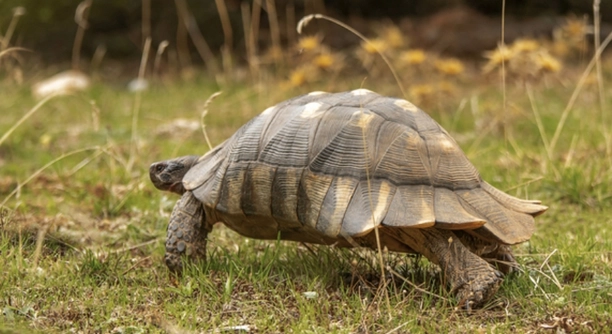
Marginated tortoises are popular pets, known for their docile nature and beautiful appearance. However, it’s important to keep their health in check to prevent any potential weight issues. Proper care is essential for their well-being.
Marginated tortoises can indeed become overweight if their diet and exercise are not properly managed. An excess of food, particularly high-fat diets, and lack of space to roam can lead to obesity, which may cause various health problems.
Maintaining a balanced diet and providing ample space for exercise will help your tortoise stay healthy and active. This article will guide you through the necessary steps to ensure their well-being.
How to Identify an Overweight Marginated Tortoise
If your marginated tortoise appears lethargic or has difficulty moving, it could be an indicator of excess weight. Tortoises that are overweight may have a noticeable roundness to their shell, with soft or puffy areas around the body. One key sign is if your tortoise struggles to move or spends most of its time resting. This is due to the strain extra weight places on their joints and muscles. A healthy tortoise should have a visible waistline when viewed from above, and their body should be firm, not soft.
It’s essential to regularly assess your tortoise’s condition. Watch how it moves and compare its weight to the average for its species. If in doubt, consult a vet for a weight assessment. Regular monitoring can help catch any weight issues early.
Overweight tortoises may also experience reduced appetite and slower growth. Their behavior often changes as they become less active, which can further impact their overall health. Ensuring they remain active and not overweight is key to their long-term well-being.
Best Diet for Preventing Obesity
A healthy, balanced diet plays a major role in preventing obesity in tortoises. Feeding them a variety of high-fiber vegetables, such as dandelion greens, kale, and collard greens, ensures they receive the necessary nutrients.
Overfeeding high-calcium or high-protein foods can lead to weight gain. Reducing the amount of fruits and high-fat foods is also crucial. Tortoises should not be fed sugary foods, which contribute to fat buildup. Regularly providing fresh water is essential, as dehydration can also cause slow digestion and weight issues.
By sticking to a balanced diet and controlling portions, you can effectively prevent obesity. Always adjust feeding based on age and activity level. If your tortoise is more active, they may need slightly more food, but be mindful of the balance. Avoid giving too many treats, as they are often high in sugars and fat.
Exercise and Space Requirements
Tortoises need plenty of space to roam. If they are confined to a small area, they may become less active and gain weight. A larger enclosure encourages movement, which helps maintain a healthy weight.
Providing space is essential, but it’s equally important to ensure they have environmental enrichment. Adding obstacles or hiding spots can prompt them to move around more. Incorporating safe outdoor time for natural sun exposure is beneficial as well. In these spaces, tortoises are more likely to engage in exercise and stay fit.
Consider creating a larger, enclosed area for your tortoise to explore. A secure outdoor space with grass and plants provides opportunities for them to roam freely. It also allows them to experience their natural environment, which is mentally stimulating. Make sure the area is secure and safe from predators.
Monitoring Weight and Health
Regularly checking your tortoise’s weight is essential for keeping track of its health. Weighing them every few weeks will help you notice any changes early.
Aside from weight, pay attention to the tortoise’s general behavior. If they seem sluggish or have trouble moving, these could be signs of excess weight. Keep track of their eating habits as well. A sudden decrease in appetite can indicate that the weight is beginning to affect their health. In addition to their diet and space, their weight is a clear indicator of how well their care routine is working.
In case of noticeable weight changes, it’s best to consult with a veterinarian. They can provide specific advice based on your tortoise’s needs and help you adjust the diet and exercise routine to ensure your pet stays in good health.
Potential Health Issues of Obesity
Obesity can lead to several serious health issues in marginated tortoises. Overweight tortoises are more likely to develop joint problems and heart disease. The added weight puts extra strain on their body, affecting mobility and overall function.
Tortoises with obesity may also suffer from respiratory problems, as their fat buildup can affect the expansion of their lungs. Additionally, an overweight tortoise may experience digestive issues, as excess fat can slow down digestion. These health problems can significantly shorten a tortoise’s lifespan and reduce its quality of life.
How to Create an Ideal Habitat
An ideal habitat for your tortoise should have both space and structure. Providing plenty of room allows them to move around freely, which encourages healthy exercise.
Include hiding spots and various textures in the habitat to make it more engaging. Natural elements, such as rocks or logs, can stimulate activity and provide opportunities for climbing. Keep the habitat clean and ensure there are no areas where your tortoise might become trapped. Proper humidity and temperature control are also important to replicate their natural environment, keeping them active and healthy.
The Role of Supplements in Diet
Supplements can play a role in maintaining a healthy tortoise diet, but they should be used with caution. Too many supplements can lead to imbalances, contributing to health issues.
A balanced diet of vegetables and proper sunlight should cover most nutritional needs. Only consider supplements if recommended by a veterinarian. They can help ensure your tortoise gets the necessary vitamins and minerals, especially when certain nutrients might be missing from their diet.
FAQ
Can my marginated tortoise eat fruits?
Fruits should be given sparingly to marginated tortoises. While they enjoy sweet treats, fruits are high in sugars, which can lead to weight gain and other health issues if fed in excess. Stick to offering fruits only occasionally as part of a balanced diet.
How much should I feed my marginated tortoise?
The amount of food depends on the tortoise’s size, age, and activity level. Generally, adult marginated tortoises should be fed a variety of leafy greens, with enough to cover their shell each day. Juveniles may require more frequent feedings, but be cautious not to overfeed. It’s better to offer smaller amounts regularly than large portions at once.
How often should I provide my marginated tortoise with water?
Your tortoise should always have access to fresh water, especially in warmer months. It’s important to offer water daily, but make sure it’s shallow enough for them to drink from easily. Occasionally, you can soak your tortoise in a shallow bath to encourage hydration.
Can I feed my tortoise pellets?
Pellets can be used as a supplement to your tortoise’s diet, but they should not be the main food source. Look for pellets that are high in fiber and low in protein and fat. Pellets should never replace fresh vegetables or plants, as natural food is essential for their health.
What should I do if my tortoise refuses to eat?
If your tortoise stops eating, it could be a sign of stress, illness, or an improper environment. Make sure the enclosure is properly set up with appropriate temperatures, humidity, and lighting. If the issue persists, it’s best to consult a vet to rule out any health concerns.
Can my tortoise get too much exercise?
It’s unlikely that a marginated tortoise will get too much exercise, as they typically move at a slow pace. However, ensuring they don’t overexert themselves in hot weather is important. Always provide shaded areas in their outdoor spaces and monitor their activity levels.
How do I know if my tortoise is overweight?
An overweight tortoise will have a rounded shell and may struggle with movement. If your tortoise is excessively lethargic or has difficulty walking, it could be a sign of obesity. You should be able to feel their ribs and body should be firm, not soft. A visit to the vet can provide a more accurate assessment.
How much sun does my marginated tortoise need?
Marginated tortoises require exposure to natural sunlight or UVB lighting to process calcium properly. Aim for at least 10-12 hours of UVB light daily. If outdoors, be sure to provide both direct sunlight and areas of shade for your tortoise to regulate its temperature.
Can I give my tortoise a bath?
Yes, soaking your tortoise in a shallow, lukewarm bath can be beneficial. It helps with hydration, especially if they are not drinking enough water on their own. You can soak them for 10-20 minutes a few times a week. Ensure the water is not too deep, as they should be able to stand comfortably.
Should I be concerned about my tortoise’s shell condition?
A healthy tortoise will have a hard, smooth shell. If you notice any soft spots, cracks, or discoloration, it could be a sign of an underlying health issue. These could be caused by a lack of calcium or improper lighting. Regular shell checks and proper diet and care are essential to avoid these problems.
How can I keep my tortoise active?
To encourage activity, provide a large, enriched habitat. Include obstacles such as rocks, logs, and plants for them to explore. Allowing time outdoors in a secure area is beneficial for their health. Also, make sure their diet is well-balanced to support energy levels and movement.
Can my tortoise share an enclosure with other animals?
Tortoises are best kept alone or with other tortoises of similar species and size. Other pets may stress them out or even cause injury. If you plan to house them with other animals, be sure to research compatibility thoroughly and keep a close eye on interactions.
How do I maintain the right temperature for my tortoise?
A proper temperature range is crucial for your tortoise’s well-being. The basking area should be between 90°F and 95°F, while the cooler end of the habitat should be around 75°F to 80°F. A heat lamp can help maintain the warmth, but always ensure there are areas for your tortoise to escape the heat if needed.
Can I feed my tortoise weeds from my yard?
Yes, many common weeds are safe for tortoises, such as dandelions and clover. However, make sure the plants have not been exposed to pesticides or herbicides. Always properly identify the plants before offering them, as some can be toxic to tortoises.
What should I do if my tortoise starts losing weight?
If your tortoise begins losing weight, it may indicate health issues like parasites, insufficient food, or stress. Keep an eye on their diet, hydration, and overall behavior. A visit to the vet is recommended to diagnose and treat any potential medical problems.
How can I reduce the risk of obesity in my tortoise?
To prevent obesity, ensure your tortoise gets the right balance of fresh food, regular exercise, and proper environmental conditions. Limit high-fat foods and avoid overfeeding. Regular monitoring of weight and behavior can help catch any signs of weight gain early.
Is it safe for my tortoise to roam free in my house?
While it’s tempting to let your tortoise roam, it’s safer to provide a controlled space for them. A free-roaming tortoise can get into dangerous situations, such as being stepped on or accessing harmful foods. Providing a secure enclosure is the best option.
Final Thoughts
Maintaining a healthy weight for your marginated tortoise is essential for its overall well-being. Obesity can lead to a variety of health issues, including difficulty moving, reduced lifespan, and complications with organs. By ensuring a balanced diet and providing adequate exercise, you can help your tortoise stay active and fit. It’s also important to monitor their eating habits and adjust their diet accordingly as they age or if their activity level changes. Regularly checking their weight and shell condition will allow you to address any health issues early.
Creating the right environment for your tortoise plays a significant role in preventing obesity. Ensure that your tortoise’s habitat is large enough for movement, with areas to explore and obstacles to navigate. A proper UVB light source and consistent temperature also contribute to their overall health and activity. If you’re housing your tortoise outdoors, make sure it has access to shaded areas and sufficient space to roam. A variety of safe plants and greens should be available for foraging, and they should be kept hydrated, both with fresh water and occasional baths.
Lastly, don’t hesitate to seek advice from a veterinarian if you’re unsure about your tortoise’s diet or health. Regular check-ups can help catch potential issues early and ensure that your tortoise is living its healthiest life. While they are resilient creatures, they depend on the care you provide to thrive in their environment. By taking proactive steps, you can enjoy a long, happy time with your marginated tortoise while keeping them at a healthy weight and preventing any future problems.

Hello,
If you enjoy the content that we create, please consider saying a "Thank You!" by leaving a tip.
Every little bit helps us continue crafting quality advice that supports the health, happiness, and well-being of pets around the world, for pets of all shapes, sizes, and species.
We really appreciate the kindness and support that you show us!