
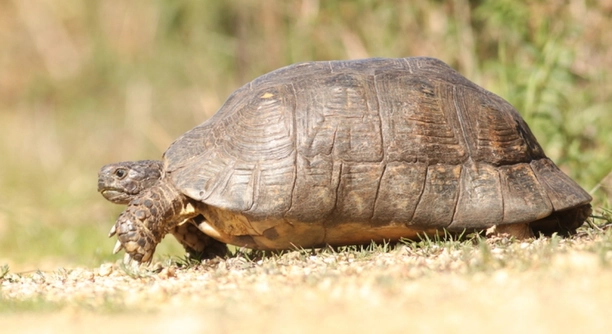
Marginated tortoises are fascinating creatures, and many people wonder about their climbing abilities. While these tortoises spend most of their time on the ground, knowing whether they can climb can help with their care.
Marginated tortoises are not skilled climbers. They can climb small obstacles, but their physical limitations prevent them from scaling anything high. They prefer flat, safe environments and are not known to climb trees or steep surfaces.
Understanding their climbing limitations is crucial when setting up a safe space for your tortoise. Knowing how high they can go will help ensure their habitat is both secure and comfortable.
Can Marginated Tortoises Climb Over Fences?
While marginated tortoises are not known for their climbing abilities, they may still surprise you by scaling low fences or barriers. If the fence is low enough, they might try to crawl over it, especially if they’re curious or trying to reach a new area. It’s important to know that these tortoises don’t have the agility or strength to climb high fences like some other species. If you’re setting up an enclosure for your tortoise, make sure the fence is at least 12 to 18 inches high to prevent escape attempts.
It’s best to use a solid fence material, like wood or plastic, to stop them from climbing. With the right setup, you can keep your tortoise safely inside its habitat.
To prevent them from escaping, consider fencing options that are taller than they are able to climb. If you’re concerned about your tortoise finding ways to escape, you can create a deeper base around the fence, which will make it harder for them to dig underneath. This extra barrier ensures that your tortoise stays in a safe and contained area, while also providing enough space for them to roam and explore.
How High Can a Marginated Tortoise Climb?
A marginated tortoise can climb small obstacles, but the height is limited to about 6 to 8 inches.
If you want to ensure a secure environment, it’s helpful to monitor the height of any obstacles in the tortoise’s space. High walls and smooth surfaces are generally safe from the tortoise’s reach.
Can They Climb Trees or Bushes?
Marginated tortoises are not tree climbers. They may try to explore low-growing bushes or shrubs, but they lack the dexterity and strength to climb vertical surfaces like tree trunks.
In their natural habitat, these tortoises stick to the ground, moving through grasslands, rocks, and occasionally over low plants. Their physical structure is not designed for climbing, as their legs are built for steady, slow movement on flat surfaces. Even if they encounter low hanging branches, they usually won’t attempt to scale them, preferring to stay grounded.
It’s important to consider their movement and climbing limitations when setting up their outdoor habitat. Tortoises need a secure, flat area where they can move freely without the risk of climbing onto dangerous surfaces or potentially falling from heights. While they are great at navigating obstacles on the ground, creating a safe space without the temptation of trees or bushes to climb can help keep them comfortable and safe.
What About Climbing Rocks?
While marginated tortoises aren’t natural climbers, they may attempt to scale low rocks or uneven ground. However, the rocks need to be low and not too steep for them to make the effort.
When introducing rocks into your tortoise’s environment, it’s best to use them to create more of a natural, varied landscape. Tortoises enjoy having things to explore and hide under, but make sure the rocks aren’t high enough to pose a danger if they try to climb. A well-placed rock can serve as a hideout, a cool spot to rest, or a small challenge for your tortoise to navigate.
However, be cautious about stacking rocks too high. If the tortoise attempts to climb and falls, it could lead to injury. Avoid creating surfaces that are too steep or slippery for them to manage. Your goal should be to offer a safe, interesting environment without the risk of climbing accidents.
What Type of Fencing is Best for Them?
When choosing fencing for your marginated tortoise, make sure it’s sturdy and tall enough to keep them inside. A solid fence material like wood or plastic is ideal.
The fence should be at least 12 to 18 inches high. You can also add a lip at the bottom to prevent digging. The tortoise’s climbing abilities are limited, but they may try to push their way out if the fence is too short. A secure, high fence is essential to keep them safe and contained.
Do They Climb Over Objects in Their Habitat?
Tortoises can occasionally climb over smaller objects in their habitat, like rocks or logs. But their climbing is limited.
If you place large objects in their space, they may try to climb over them, especially if they’re curious. However, it’s unlikely they’ll attempt to climb anything too high. Be mindful of the heights of these objects to avoid any accidents.
FAQ
Can marginated tortoises climb fences?
Marginated tortoises are not strong climbers. While they might be able to scale a small, low fence if it’s no higher than 6 inches or so, they are unlikely to climb over anything tall. The best way to prevent them from escaping is by setting up a fence that is at least 12 to 18 inches high. If you’re worried about them digging out, make sure the bottom of the fence is buried into the ground or has a lip extending out to stop them from digging under.
How high can a marginated tortoise climb?
Marginated tortoises can climb low obstacles like small rocks or logs, but they are not built for climbing. Anything taller than 6 to 8 inches will generally be out of their reach. It’s important to ensure that anything in their enclosure doesn’t pose a risk of accidental falls, so keep surfaces relatively flat and low.
Do marginated tortoises climb trees?
No, marginated tortoises are not tree climbers. They lack the ability to climb vertical surfaces like tree trunks or branches. In the wild, they stick to the ground, where they can forage, rest, and move around safely. Their natural habitat includes low bushes, but they generally don’t try to climb them.
Can marginated tortoises climb rocks?
Marginated tortoises may try to climb small, low rocks, but they aren’t skilled climbers. They are more likely to use rocks to hide under or as a small challenge to navigate. Ensure any rocks in their habitat are low to the ground to avoid injury if they fall. Taller or slippery rocks could be dangerous for them.
What type of enclosure is best for a marginated tortoise?
A marginated tortoise needs a secure, enclosed space with both dry and shady areas. The enclosure should have solid walls, at least 12 to 18 inches tall. It’s best to use materials like wood or plastic, as they can’t climb over these materials easily. Avoid using chain link or wire mesh that could allow them to escape or get caught in.
Can marginated tortoises escape from their enclosure?
If the fence or walls of the enclosure aren’t high enough, marginated tortoises may attempt to escape. However, they won’t climb over tall barriers but may try to dig under or around them. To prevent escapes, make sure the walls are high enough and consider digging the bottom of the fence into the ground or adding a barrier that goes outwards to discourage digging.
What should be in a marginated tortoise’s enclosure?
A marginated tortoise’s enclosure should include areas for both basking and hiding. Providing a few low rocks or logs for climbing challenges can add variety to their space. It’s also important to have a shallow water dish, hiding spots, and some plants or grass they can munch on. The enclosure should be large enough for them to roam comfortably.
Do marginated tortoises need a heat source?
Yes, marginated tortoises need a heat source to maintain their body temperature. In colder climates or during winter, you may need to provide a heat lamp or under-tank heater. They need access to a basking spot that reaches temperatures around 90 to 100°F (32 to 38°C). This will help them regulate their body temperature and aid in digestion.
What is the best substrate for a marginated tortoise?
The best substrate for a marginated tortoise is one that retains moisture but isn’t too wet. A mix of soil, coconut coir, and sand works well. Avoid using cedar or pine shavings, as they can be harmful. A dry spot for them to bask and a more humid area for burrowing should be provided to meet their needs.
How much space do marginated tortoises need?
Marginated tortoises need plenty of space to roam, forage, and exercise. A minimum of 10 square feet per tortoise is recommended, but larger enclosures are always better. If you have more than one tortoise, you’ll need to provide additional space to prevent territorial issues. The larger the space, the more they will be able to explore and feel comfortable.
Can marginated tortoises live outside year-round?
In warmer climates, marginated tortoises can live outside year-round, but they should be protected from extreme weather conditions. They can tolerate temperatures between 60°F and 80°F (15°C to 27°C), but temperatures below 50°F (10°C) may be too cold for them. If you live in a colder area, it’s best to bring them indoors during the winter months to prevent cold-related stress or health issues.
What do marginated tortoises eat?
Marginated tortoises are herbivores and mainly eat grasses, weeds, and leafy greens. Offer a variety of safe plants like dandelion greens, clover, and collard greens. They may also enjoy some fruits and flowers as treats. Make sure their diet is high in fiber and low in protein to keep them healthy. Avoid feeding them foods that are too high in oxalates, like spinach, which can interfere with calcium absorption.
Do marginated tortoises need humidity?
While marginated tortoises don’t require high humidity, a certain level of moisture is important for their health. A moderate humidity level of around 50 to 60% is ideal. This can be maintained by providing a shallow water dish, misting the enclosure occasionally, and offering a moist hiding area. It’s essential to balance humidity with proper ventilation to prevent mold and bacteria growth.
Are marginated tortoises social animals?
Marginated tortoises are not highly social and can be solitary creatures. They don’t require interaction with other tortoises, but they will tolerate living in pairs or small groups if they have enough space. It’s important to observe their behavior and ensure there’s no aggression between tortoises, especially if the space is limited.
Final Thoughts
Marginated tortoises are relatively low-maintenance pets when it comes to climbing and escaping. They are not skilled climbers, so they won’t typically climb over fences or trees. Their natural behavior involves staying on the ground, where they can move slowly and steadily. With the right setup, such as a properly fenced enclosure and appropriate obstacles, you can create a safe and comfortable space for them to live without worrying about them climbing to dangerous heights or escaping.
The most important thing when housing a marginated tortoise is ensuring their environment is secure. Fences should be at least 12 to 18 inches high, and the base should be secured to prevent digging. While they can climb small rocks or logs, they are not likely to try to scale anything too high. With these considerations, you can create an enclosure that supports their natural behavior, where they can explore at their own pace and feel safe. Regular maintenance of the enclosure, ensuring it remains free of hazards, is also essential for their long-term health and happiness.
Understanding a marginated tortoise’s limitations in climbing and their basic needs for space and shelter is key to providing them with a healthy, happy life. By focusing on these basic aspects of their care, you can ensure they thrive in a secure environment. While they may be curious, tortoises prefer to stay grounded, and creating a stable, safe space is all they really need.

Hello,
If you enjoy the content that we create, please consider saying a "Thank You!" by leaving a tip.
Every little bit helps us continue crafting quality advice that supports the health, happiness, and well-being of pets around the world, for pets of all shapes, sizes, and species.
We really appreciate the kindness and support that you show us!