
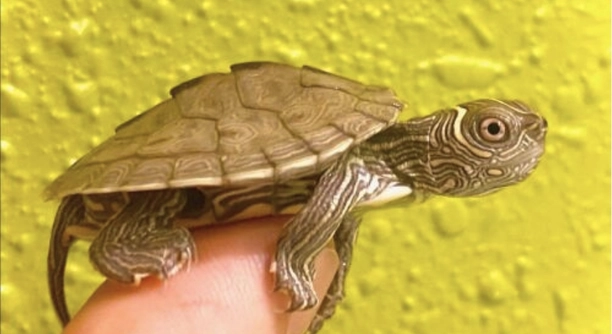
Have you ever wondered whether map turtles can live in saltwater environments safely? These fascinating creatures are known for their adaptability, but their specific habitat needs require closer attention to ensure their health and well-being.
Map turtles are freshwater species that cannot survive in saltwater for extended periods. Their physiology is adapted to low salinity levels, and prolonged exposure to saltwater can lead to dehydration, organ damage, and eventual death.
Exploring the risks and understanding how to care for your map turtle properly will help you create a suitable environment for them. Let’s uncover the details you need to keep your pet safe and thriving.
Can Map Turtles Live in Saltwater?
Map turtles thrive in freshwater habitats like rivers, lakes, and streams. Their bodies are adapted to handle low salinity levels, making saltwater environments unsuitable for them. Saltwater can cause dehydration and strain their kidneys, leading to serious health complications. Prolonged exposure can result in lethargy, weakened immune systems, and organ failure. Providing a clean, freshwater habitat is essential for their health and longevity.
Even brief exposure to saltwater can harm map turtles, as their skin and shell aren’t built to tolerate the salt’s abrasive nature. Stress caused by improper habitats can also affect their behavior and overall wellness.
To ensure your turtle’s safety, always monitor water conditions and avoid environments with high salinity. Keeping their habitat clean and properly maintained will go a long way in supporting their health and happiness.
Risks of Saltwater Exposure for Map Turtles
Saltwater exposure can lead to dehydration, reduced mobility, and eventual organ damage in map turtles.
Their kidneys are particularly sensitive to changes in salinity. When exposed to saltwater, they must work overtime to expel excess salt, leading to exhaustion and potential failure. The skin and shell can also become irritated, opening the door to infections.
Additionally, saltwater alters their natural behaviors, disrupting their ability to forage, swim, and bask properly. Stress from these changes can weaken their immune systems, leaving them vulnerable to disease. To avoid these risks, always maintain a freshwater habitat with a stable temperature, clean water, and appropriate basking areas. Providing a balanced diet and regular checkups will further support your map turtle’s well-being. Proper care ensures they thrive in an environment suited to their natural needs.
How to Maintain a Proper Habitat for Map Turtles
A freshwater habitat is essential for map turtles. The water should be clean, filtered, and maintained at a temperature between 75-80°F. Include basking areas with UVB lighting to support their shell and overall health.
Ensure the water depth is sufficient for swimming but not overly deep to prevent stress. Map turtles also need hiding spots, such as aquatic plants or decorations, to feel secure. Regular water changes are crucial to prevent ammonia buildup, which can harm their sensitive skin. Proper filtration helps maintain a stable environment, mimicking their natural habitat.
Feeding them a balanced diet of commercial turtle pellets, insects, and leafy greens is equally important. Avoid overfeeding, as excess food can contaminate the water. A well-maintained habitat ensures their health and allows them to thrive in captivity.
Signs of Stress in Map Turtles
Stress in map turtles often shows through reduced appetite, inactivity, or erratic swimming. Changes in their shell appearance or skin, such as discoloration, are also warning signs.
Stress can stem from improper water conditions, overcrowding, or lack of basking areas. Regularly monitoring their behavior helps detect issues early. Addressing these problems promptly with proper care and adjustments in their environment will keep your turtle healthy and stress-free.
Importance of Clean Water for Map Turtles
Clean water prevents harmful bacteria and toxins from affecting your map turtle’s health. Dirty water can lead to skin infections, respiratory issues, and weakened immunity. Regular water changes and a reliable filtration system are essential to maintain water quality.
Testing water parameters like pH, ammonia, and nitrate levels is important. Keeping these levels balanced ensures a safe and healthy environment. A well-maintained water system minimizes stress and supports your turtle’s natural behaviors.
Proper Lighting and Heating for Map Turtles
UVB lighting is necessary for calcium absorption and shell health. Without it, turtles risk developing metabolic bone disease. Combine UVB with a basking area at 85-90°F to provide optimal conditions. Consistent lighting and heat cycles mimic their natural environment, promoting overall health and activity.
Importance of Monitoring Diet
A balanced diet ensures proper growth and vitality. Feed them high-quality pellets, fresh greens, and occasional proteins like insects or small fish. Overfeeding leads to obesity and water contamination, so portion control is key.
FAQ
Can map turtles tolerate any saltwater at all?
Map turtles can handle very low levels of salinity for short periods, but prolonged exposure to saltwater is harmful. Their bodies are designed for freshwater environments, and even slight increases in salinity can strain their kidneys and cause dehydration.
What are the immediate effects of saltwater on map turtles?
Exposure to saltwater can lead to lethargy, skin irritation, and abnormal swimming behavior. These issues arise because their bodies cannot process high salt levels effectively. Immediate removal from saltwater and placing them back into freshwater can prevent further harm.
How can I test water salinity for my map turtle?
Use a reliable salinity meter or hydrometer to measure salt levels in the water. Freshwater for map turtles should have little to no detectable salinity. Regular testing ensures that their habitat remains within safe parameters.
What happens if a map turtle accidentally ends up in saltwater?
If a map turtle is accidentally placed in saltwater, remove it immediately and rinse it with fresh, clean water. Monitor its behavior for signs of stress or health issues and consider consulting a veterinarian if symptoms persist.
Can map turtles survive in brackish water?
Map turtles are not adapted to brackish water, which has higher salinity levels than freshwater. While some turtles can tolerate brackish environments, map turtles require strictly freshwater conditions for long-term health and well-being.
What is the best way to prevent saltwater exposure?
Always double-check the water source when setting up your turtle’s habitat. If using tap water, treat it with a dechlorinator to make it safe. Avoid mixing in any marine or brackish water additives unless necessary for other aquatic species.
How do I know if my map turtle is stressed from water conditions?
Look for signs like decreased appetite, unusual swimming patterns, or excessive basking. Stress from unsuitable water conditions may also lead to shell discoloration or softening. Address any irregularities in water quality promptly to reduce stress.
Are there other aquatic pets that can live with map turtles?
Map turtles can coexist with some freshwater fish and non-aggressive aquatic species. However, avoid saltwater or brackish fish, as their habitat needs differ significantly. Compatibility depends on the temperament and size of both the turtle and its tankmates.
What if my turtle is already sick from saltwater exposure?
If your turtle shows signs of illness from saltwater exposure, such as sluggishness or visible irritation, place it in clean, freshwater immediately. Consult a reptile veterinarian for a proper diagnosis and treatment plan to address any health issues.
Why is saltwater harmful to map turtles but not other species?
Some turtles, like sea turtles, have evolved glands to expel excess salt from their bodies. Map turtles lack these adaptations and rely on freshwater habitats, making them unable to process salt effectively without health consequences.
Is it ever safe to use salt for treating turtle health issues?
In controlled amounts, aquarium salt is sometimes used to treat minor bacterial infections or skin issues. However, it should only be used under guidance from a veterinarian, as improper use can harm your turtle.
Can baby map turtles survive in saltwater?
Baby map turtles are even more vulnerable to saltwater exposure than adults. Their smaller bodies and developing systems make them less resilient to high salinity levels, increasing the risk of dehydration and organ damage.
Final Thoughts
Caring for map turtles involves understanding their specific needs and creating a habitat that closely resembles their natural environment. Freshwater is essential for their survival, as their bodies are not equipped to handle saltwater. By maintaining clean water, providing proper lighting, and ensuring a balanced diet, you can promote their health and well-being. These turtles thrive when their habitat is carefully managed, so regular upkeep is an important part of their care.
Saltwater poses serious risks to map turtles, including dehydration, stress, and potential organ damage. While brief exposure might not cause immediate harm, long-term contact can lead to severe health issues. Avoiding saltwater environments and monitoring water quality are essential steps in keeping your turtle safe. If any exposure occurs, swift action and consulting a veterinarian can prevent lasting damage. Prevention and awareness play key roles in your turtle’s long-term health.
Understanding your map turtle’s natural preferences helps ensure they live a comfortable and healthy life. By staying informed and attentive, you can avoid common mistakes and create a thriving environment. Your efforts in providing proper care will allow your turtle to grow and flourish, bringing enjoyment and fulfillment to both you and your pet.

Hello,
If you enjoy the content that we create, please consider saying a "Thank You!" by leaving a tip.
Every little bit helps us continue crafting quality advice that supports the health, happiness, and well-being of pets around the world, for pets of all shapes, sizes, and species.
We really appreciate the kindness and support that you show us!