
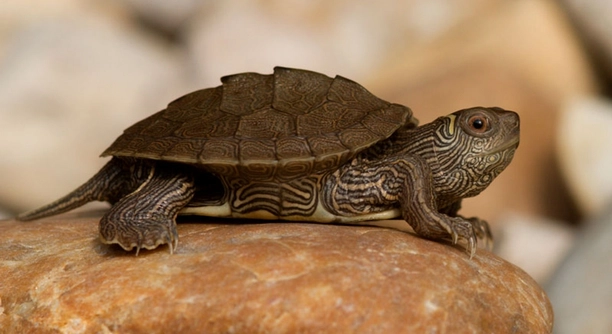
Map turtles are unique creatures with specific dietary needs. While they primarily eat aquatic plants, insects, and small fish, their diet may vary based on age, size, and habitat. Proper nutrition is key to their health.
Map turtles should not be fed chicken, as it is not a natural food source and may cause digestive issues. A varied diet of aquatic plants, insects, and specially formulated turtle pellets is recommended for optimal nutrition.
Understanding what to feed your map turtle is crucial for its long-term well-being. Proper feeding will help ensure a healthy and balanced diet for your pet.
Why Chicken is Not Ideal for Map Turtles
Map turtles have specific dietary needs that require a balance of aquatic plants, insects, and occasional protein sources like small fish. Chicken, however, is not a suitable food for them. It lacks the necessary nutrients that map turtles thrive on. In fact, chicken can upset their digestion and may even lead to health problems. While some pet owners might be tempted to offer chicken due to its accessibility and protein content, it’s essential to remember that it doesn’t mimic the natural diet of these turtles. By sticking to foods more in line with their natural habits, you help support their overall well-being.
Map turtles thrive best on a diet that resembles what they would find in the wild. Chicken simply doesn’t fit into that category and can cause more harm than good. It’s crucial to avoid feeding them foods that don’t align with their natural diet.
To keep your map turtle healthy, offer foods such as small fish, aquatic plants, and specially formulated turtle pellets. These options provide essential nutrients without the risks that chicken poses. Ensuring their diet is as close as possible to what they would eat in nature is one of the best ways to promote their longevity and vitality.
Safe Alternatives to Chicken for Map Turtles
Offering safe and nutritious alternatives to chicken ensures that your map turtle’s dietary needs are met without unnecessary risks. Focus on providing a balanced diet of fish, insects, and plants.
For protein, small fish like minnows or guppies are excellent choices. These fish provide both essential nutrients and a more natural food source that map turtles can easily digest. Additionally, insects such as crickets and worms are great for variety and nutrition. You can also offer aquatic plants, which are a staple in the map turtle’s diet. They provide essential vitamins and minerals and support the turtle’s overall health. Be sure to feed a variety of these foods to maintain a balanced diet for your pet turtle. By keeping their diet diverse and nutrient-rich, you’re ensuring that they stay strong and healthy.
Risks of Feeding Map Turtles Chicken
Feeding map turtles chicken can lead to several health issues. Since chicken isn’t a natural part of their diet, it can cause digestive discomfort or lead to improper nutrient absorption. Turtles may also develop an imbalance in their diet if given foods outside their typical range, which could result in long-term health problems.
A diet too rich in proteins from chicken may cause kidney stress, as map turtles are not equipped to handle high amounts of animal protein. Additionally, the fats in chicken can lead to obesity, which negatively affects the turtle’s mobility and lifespan. It’s essential to avoid this kind of protein source to maintain the turtle’s health.
Another risk is the potential for bacterial contamination, which can harm map turtles. Unlike their usual food, chicken might carry pathogens that could affect their delicate digestive system. It’s always safer to stick to natural, turtle-friendly foods to reduce these health risks.
How to Properly Feed Map Turtles
To feed map turtles properly, focus on a variety of protein sources and plant matter. Their diet should consist of small fish, insects, and aquatic plants to mimic what they would eat in the wild. These options offer a well-rounded diet that promotes healthy digestion and growth.
Offering a mix of protein and plant-based foods ensures your turtle gets a balance of essential vitamins and minerals. Small fish like guppies or minnows, as well as insects such as crickets, provide much-needed protein. Meanwhile, plants like water lettuce and aquatic grasses offer the fiber and nutrients needed for digestion. Be sure to offer a variety of these foods so your turtle receives a diverse nutrient profile.
Feed your map turtle once a day, offering small portions that they can finish in 15 to 20 minutes. Overfeeding can lead to obesity, while underfeeding may cause malnutrition. Keep their feeding schedule consistent to maintain a healthy weight and energy level.
Importance of Variety in a Map Turtle’s Diet
Map turtles need a varied diet to stay healthy. Feeding them only one type of food, like chicken, can lead to nutrient imbalances. A mixture of proteins, vegetables, and plants ensures they get the full range of nutrients required for growth and health.
Variety helps prevent deficiencies in essential nutrients. A diet lacking in variety can lead to deficiencies in vitamins, minerals, and fiber. Different food sources provide unique nutrients that are necessary for their development and immune system. Incorporating a wide variety of foods, such as fish, plants, and insects, helps map turtles thrive.
Common Mistakes When Feeding Map Turtles
Overfeeding is a common mistake when it comes to map turtles. It can cause weight gain, digestive problems, and poor health over time. Offering too much food at once can overwhelm their system, leading to unhealthy weight gain and a higher risk of disease. Portion control is essential.
Feeding map turtles food that isn’t suitable for them, such as chicken, is another mistake. It can create serious digestive issues, and over time, may cause nutrient imbalances. Offering foods that mimic their natural diet is important for promoting their long-term health and well-being.
Correct Portion Sizes for Map Turtles
Portion control is essential to a healthy diet for map turtles. A good rule of thumb is to feed them only what they can consume in about 15 to 20 minutes. Too much food can lead to obesity, while too little can cause malnutrition. Monitor their weight and adjust portions as necessary.
Turtles should be fed daily, with smaller portions for younger turtles and slightly larger portions for adults. Adjusting portion sizes based on their size and activity level ensures they stay healthy and active. If unsure, it’s always a good idea to consult a vet for more specific guidance.
FAQ
Can map turtles eat chicken bones?
No, map turtles should not be fed chicken bones. These bones are hard and can cause choking or damage to their digestive tract. The sharp edges may also injure their internal organs. Always avoid giving them bones or hard objects that aren’t part of their natural diet.
What should I feed my map turtle instead of chicken?
Instead of chicken, offer small fish, insects, and aquatic plants. These are much closer to what a map turtle would eat in the wild. Fish like minnows, guppies, or feeder fish provide necessary protein, while aquatic plants supply fiber and nutrients for digestion. You can also add turtle pellets formulated for their specific dietary needs.
Can map turtles eat vegetables?
Yes, map turtles can eat some vegetables. Leafy greens such as kale, collard greens, and dandelion greens are excellent choices. Vegetables like squash, carrots, and zucchini can also be offered in moderation. However, it’s important not to feed them too many high-oxalate vegetables, such as spinach, as these can interfere with calcium absorption.
How often should I feed my map turtle?
Young map turtles should be fed every day, while adults can be fed every other day. However, the amount of food should be adjusted according to the turtle’s size, age, and activity level. It’s important to avoid overfeeding, as this can lead to obesity and other health issues. Keep track of how much food they consume and adjust accordingly.
Is it safe to feed map turtles fruit?
Fruits can be given to map turtles occasionally, but they should not be the main part of their diet. Some safe fruits for map turtles include strawberries, apples, and melon. However, these fruits are high in sugar, so they should be offered in moderation. Too much sugar can cause digestive issues.
How do I know if my map turtle is overweight?
Signs of an overweight map turtle include a rounded or bloated appearance, difficulty swimming, and lack of energy. You should also feel for a soft shell, which can be a result of overfeeding. If you suspect your turtle is overweight, consult with a vet to adjust its diet and feeding schedule.
Can map turtles eat live food?
Yes, map turtles can eat live food, and it’s a natural part of their diet. Live insects such as crickets, worms, or mealworms can be fed to them. Live fish like minnows or guppies are also good protein sources. However, ensure the live food is appropriately sized and free from parasites or harmful chemicals.
What if my map turtle doesn’t eat?
If your map turtle refuses to eat, it could be due to stress, water temperature changes, or an inappropriate diet. First, check the water temperature, as map turtles require water temperatures between 75-80°F (24-27°C). If the environment is suitable and the turtle is still not eating, consider offering different food types, such as fish or insects. If the problem persists, a visit to the vet may be necessary.
Is it okay to feed map turtles pet food?
It’s not recommended to feed map turtles typical pet food, such as cat or dog food. These products contain ingredients that are not suitable for turtles and may cause digestive issues or nutritional imbalances. Instead, stick to turtle-specific food that is designed for their dietary needs, which includes pellets and other turtle-safe foods.
Can map turtles eat bugs from outside?
You can feed map turtles bugs from outside, but only if they are from a safe, pesticide-free environment. Insects like crickets, grasshoppers, or earthworms can be great additions to their diet. Avoid insects that might have been exposed to chemicals, as these can be harmful to your turtle.
Do map turtles need calcium supplements?
Yes, map turtles need calcium to keep their shells strong and healthy. If they aren’t getting enough calcium from their diet, you should consider adding a calcium supplement. You can dust their food with calcium powder or provide them with cuttlebone to nibble on. This helps prevent shell deformities and other calcium deficiency issues.
How long can a map turtle go without food?
Map turtles can survive for short periods without food, but this is not ideal. Healthy adult map turtles can typically go for 1-2 weeks without food, especially if they are not in an active growth phase. However, it’s important to feed them regularly to maintain their health. If your turtle stops eating for more than a few days, it may be a sign of illness, and you should seek veterinary care.
Can map turtles eat bread?
No, bread is not a suitable food for map turtles. It lacks essential nutrients and can lead to digestive issues if fed regularly. Stick to foods like fish, insects, and plants that provide the necessary vitamins and minerals for their health. Bread or any human food should be avoided altogether.
Do map turtles need UVB light?
Yes, map turtles need UVB light to help them metabolize calcium and maintain healthy shells. Without proper UVB exposure, they may develop shell deformities and other health issues related to calcium deficiency. Providing a UVB light source for 10-12 hours a day, along with access to natural sunlight, is essential for their well-being.
How do I make sure my map turtle stays hydrated?
Map turtles need access to clean water at all times for hydration. They spend a lot of time in water, so it’s crucial to keep their tank clean. Change the water regularly and make sure it’s the right temperature. If your turtle isn’t drinking, it could indicate an issue with water quality or temperature.
Can map turtles eat shrimp?
Yes, map turtles can eat shrimp, which provides an excellent source of protein. However, avoid feeding them shrimp too frequently as it can be high in fat and sodium. Shrimp should be given as an occasional treat and not a regular part of their diet.
Final Thoughts
Map turtles are fascinating creatures with specific dietary needs. While chicken might seem like a tempting option, it’s not the best food choice for them. Offering a balanced diet that mimics their natural food sources is key to their health. This includes providing protein through fish, insects, and occasional shrimp, alongside vegetables and aquatic plants for fiber and nutrients. It’s important to remember that variety is essential in their diet to keep them healthy and prevent deficiencies.
Calcium is another crucial aspect to consider when feeding map turtles. They need it for strong shells and bones. You can provide calcium supplements or natural sources like cuttlebone. UVB light is also vital for calcium metabolism, so make sure they have access to it. Maintaining the right environment—clean water, appropriate temperatures, and the right balance of food—will help your map turtle thrive. If you’re ever uncertain about what to feed your turtle or have concerns about their health, consulting with a vet can provide valuable guidance.
Remember that feeding map turtles is about more than just giving them food; it’s about creating a healthy and safe environment. A balanced diet, proper hydration, and environmental care are all important for their well-being. By offering the right foods, avoiding dangerous items like chicken bones, and staying attentive to their needs, you can help ensure that your map turtle remains healthy and happy for years to come.

Hello,
If you enjoy the content that we create, please consider saying a "Thank You!" by leaving a tip.
Every little bit helps us continue crafting quality advice that supports the health, happiness, and well-being of pets around the world, for pets of all shapes, sizes, and species.
We really appreciate the kindness and support that you show us!