
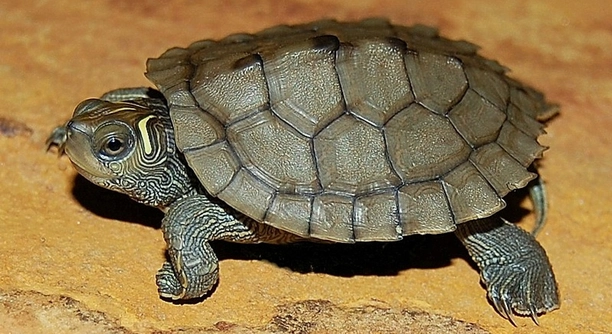
Map turtles are known for their distinct markings and charming personalities, but when it comes to training them, it’s a different story. If you’re curious about whether these reptiles can be trained and what tricks they can learn, keep reading.
Training map turtles is possible, though it requires patience and consistency. Positive reinforcement through treats is effective in teaching them simple behaviors like responding to their name, following a target, or recognizing basic commands like “come.”
Training your map turtle can be a fun and rewarding experience. Understanding their behavior and patience are key to making progress.
Training Map Turtles: Where to Start
Training map turtles starts with building trust. Before attempting any tricks, spend some time getting to know your turtle. They are naturally curious but can be shy, so patience is essential. Introduce yourself slowly by offering food or gently interacting in their tank. This helps create a connection and prepares them for training sessions.
When it comes to training, start with simple tasks like getting your turtle to come to you or move in a specific direction. Positive reinforcement works well, so reward your turtle with a small treat when it successfully completes the task. Keep sessions short and consistent to avoid overwhelming your turtle.
Don’t forget to maintain the right environment for training. The temperature, lighting, and humidity of your turtle’s tank must be comfortable for them to stay active and responsive. Make sure their tank is clean and their water is fresh. A happy and healthy turtle will be more likely to participate in training sessions.
Simple Tricks to Teach Your Map Turtle
Map turtles can learn a few simple tricks, like responding to a target. This involves guiding your turtle towards an object like a stick or a ball. It’s effective when using a treat as a reward.
To teach your turtle to follow a target, gently move the object in front of them. Reward them each time they make a move towards it. Over time, they will begin to associate the target with food. Repeat the process, gradually making the target more challenging to follow. Remember, short, consistent training sessions work best.
Rewards and Motivation
Map turtles respond well to rewards, especially food. Offering small treats like leafy greens, fish, or insects encourages them to repeat desired behaviors. Always use something they enjoy to keep them engaged and motivated throughout training. Over time, your turtle will begin associating actions with rewards.
It’s important to use positive reinforcement consistently. When your turtle performs a trick correctly, offer a treat immediately. This helps reinforce the behavior. Don’t be discouraged if they don’t respond right away—map turtles can be slow to learn. If they’re not interested in a particular treat, try different options to see what excites them the most.
You can also vary the rewards to keep training sessions interesting. Offering different types of treats or mixing in extra time out of their tank can help prevent boredom. Ensure that all rewards are healthy and don’t overfeed your turtle, as this can lead to health problems.
Patience is Key
Patience is essential when training map turtles. They may take time to learn new tricks, and it’s crucial not to rush the process. Some turtles will pick up tricks faster than others, but all need consistent practice. Keep sessions brief, around five to ten minutes.
Don’t get frustrated if your turtle isn’t responding as quickly as you would like. Over time, they will begin to understand what you’re asking. The key is not to overwhelm them with too many repetitions in one go. Instead, repeat training over several days to see progress.
It’s also important to give your turtle time to relax between training sessions. Too much training without breaks can make them stressed or disinterested. Always observe your turtle’s behavior—if they seem tired or agitated, it’s best to stop the session and try again later.
Common Mistakes to Avoid
One common mistake is expecting too much too soon. Map turtles learn at their own pace, so be patient. Overloading them with tasks in one session can lead to frustration. Keep the training simple and gradual for better results.
Another mistake is not using the right rewards. Turtles may not be interested in every treat. Experiment to find what works best. Some turtles prefer insects, while others might respond better to leafy greens. It’s important to know what your turtle likes to ensure they stay motivated.
Creating a Comfortable Training Space
The training space should be free of distractions. Ensure the area is quiet and calm, with enough space for your turtle to move around comfortably. Having a designated spot for training helps signal to your turtle that it’s time to focus and learn.
This space should also mimic their natural environment to some extent. If possible, place the training area near their tank so they feel secure. A familiar environment will help your turtle stay relaxed and more receptive to training. Make sure the floor is non-slippery to avoid accidents.
Training Consistency
Consistency is crucial for success. Establish a regular training schedule to reinforce behaviors. Turtles thrive on routine, so training at the same time each day helps them know what to expect. Short, frequent sessions work better than long, irregular ones.
Keep the training simple and clear. Repeating the same commands and rewards during each session allows your turtle to make clear associations. Avoid switching techniques or rewards frequently, as this can confuse them. With consistent practice, your map turtle will begin to recognize patterns and respond more predictably.
FAQ
Can map turtles be trained to recognize their names?
Yes, map turtles can learn to recognize their names, but it takes patience. By saying their name consistently while offering a treat, they start to associate the sound with something positive. Repetition is key, and once they respond to their name, you can begin testing it in different settings. Keep the training sessions short and use treats as rewards.
How long does it take to train a map turtle?
Training a map turtle can take anywhere from a few weeks to several months, depending on the turtle’s age, temperament, and how consistently training is done. Young turtles tend to learn faster than older ones. Training time varies, so it’s important to be patient. Consistency and regularity are crucial for success.
What types of tricks can map turtles learn?
Map turtles can learn basic tricks like coming when called, following a target, and recognizing simple commands. With patience, they can even learn to perform small actions like climbing a ramp or moving through hoops. It’s important to start small and gradually increase the complexity of the tricks.
How do I keep my map turtle motivated?
To keep your map turtle motivated, use treats they enjoy, such as fish, shrimp, or leafy greens. The key is to offer rewards immediately after the desired behavior, making the association between the action and the reward stronger. If your turtle seems uninterested, try switching up the treats to something they like more.
Can map turtles be trained outside their tank?
Yes, map turtles can be trained outside their tank. However, it’s important to ensure that the space is safe and free from distractions. Choose a quiet, secure area with non-slippery floors. Training outside the tank might make it easier to focus on the task without interference from water or tank surroundings.
What should I do if my turtle isn’t responding to training?
If your map turtle isn’t responding, don’t give up. Try changing the training environment or altering the rewards. Some turtles need more time than others, so patience is essential. Keep sessions short and positive, and make sure you’re using something your turtle finds rewarding. Also, check if the turtle is stressed or uncomfortable, as this could hinder learning.
How can I tell if my map turtle is stressed?
Signs of stress in map turtles include excessive hiding, reluctance to move, changes in eating habits, or a change in their usual behavior. If your turtle shows any of these signs, it might be a sign they are overwhelmed or uncomfortable. Make sure the tank is set up properly, with the right temperature and lighting. If stressed, take a break from training until they are more relaxed.
Can map turtles learn to recognize objects?
Yes, map turtles can learn to recognize certain objects, such as a target stick or toys. By consistently associating objects with rewards, you can teach them to interact with those items. This type of recognition is helpful when training them to follow a target or perform simple tasks.
What are the best rewards for map turtles?
The best rewards are those that appeal to your turtle’s natural preferences. Many map turtles enjoy live or frozen foods like fish, worms, or crickets. Others prefer leafy greens or vegetables. You can also experiment with small amounts of fruit like strawberries or bananas to keep things varied. The key is to find something that excites your turtle.
Is it okay to train my map turtle every day?
Training every day can be beneficial, but it’s important not to overdo it. Short, daily sessions are ideal for reinforcing learned behaviors. However, you should observe your turtle’s response. If they seem tired or uninterested, give them a break. Too much training without rest can lead to stress or fatigue.
Do map turtles have a good memory for training?
Map turtles have a decent memory, especially when it comes to simple tasks. They are capable of remembering associations between commands and rewards for an extended period. Consistent repetition will help reinforce learned behaviors, and over time, they will begin responding automatically to certain cues. Memory retention improves with regular practice.
Final Thoughts
Training map turtles can be a rewarding experience, but it requires time, patience, and consistency. These turtles are intelligent creatures, and with the right approach, they can learn simple tricks and recognize certain behaviors. However, each turtle is unique, so progress might vary. Some may catch on quickly, while others need more time to learn. The key to success lies in understanding your turtle’s personality and preferences, and tailoring your training sessions accordingly. Using their favorite treats and creating a calm environment for training can go a long way in maintaining their interest and motivation.
While training, always keep in mind that map turtles are creatures of habit. They thrive in a consistent routine, so it is important to train them at the same time each day. Keep sessions short and focused to avoid overwhelming them. If they seem distracted or stressed, it’s best to take a break and try again later. Overtraining can lead to frustration for both you and your turtle, so be sure to give them plenty of rest. Celebrating small successes, even if it’s just a slight improvement, will help keep you motivated as well.
Lastly, the most important aspect of training is ensuring the well-being of your turtle. Never sacrifice their comfort or health for the sake of training. Make sure their living conditions are suitable and that they have enough time to relax and enjoy their natural behaviors outside of training. While teaching your turtle new tricks can be fun and engaging, their happiness and health should always come first. With the right balance of patience, rewards, and care, you can build a positive training experience for both you and your map turtle.

Hello,
If you enjoy the content that we create, please consider saying a "Thank You!" by leaving a tip.
Every little bit helps us continue crafting quality advice that supports the health, happiness, and well-being of pets around the world, for pets of all shapes, sizes, and species.
We really appreciate the kindness and support that you show us!