
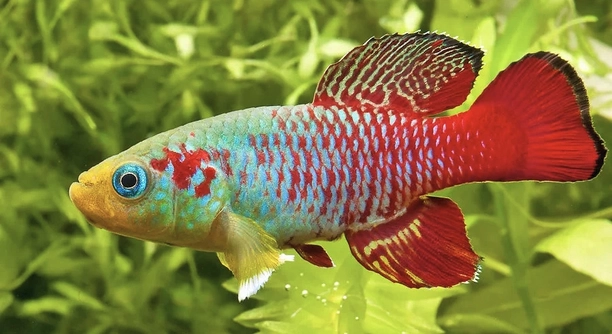
Are your killifish living in a tank that hasn’t been cycled, and you’re starting to feel concerned about their health?
Killifish can survive in an uncycled tank for a short period, but it puts them at risk of ammonia poisoning, stress, and eventual death. Proper water conditioning and daily monitoring are essential if the nitrogen cycle isn’t established.
Understanding how the nitrogen cycle works is key to keeping your killis safe and healthy in a new or temporary tank setup.
Understanding the Risks of an Uncycled Tank
Keeping killifish in an uncycled tank can lead to serious issues if not handled carefully. An uncycled tank lacks beneficial bacteria that break down waste into less harmful compounds. Without this natural filtration, toxic levels of ammonia and nitrite can build up quickly. Killifish are hardy compared to some other species, but they’re not immune to poor water conditions. Even short-term exposure to high ammonia can cause damage to their gills, lead to stress, and weaken their immune system. If you must house killis in such a tank, perform daily water changes and use products that neutralize ammonia and nitrite. Monitoring the water parameters is also important—use a reliable test kit to check levels daily. Always keep feeding minimal, as uneaten food will worsen water quality. While killifish may seem fine at first, the long-term effects of unstable conditions often surface later, when it’s harder to reverse the damage.
Daily maintenance keeps them safer.
Killis can appear active even in poor water, which can be misleading. It’s important not to assume all is well based on behavior alone. Toxic spikes can happen suddenly and silently, especially in tanks with no biological support.
How to Keep Killis Safe Without a Cycle
Ammonia detoxifiers are essential in this setup. These water conditioners bind toxic ammonia and nitrite, offering temporary relief while you manage waste.
In an uncycled tank, focus on consistent water changes—at least 25–50% daily, depending on your readings. Use a good test kit, not strips, to monitor ammonia, nitrite, and nitrate. A sponge filter seeded from a mature tank, if available, can help introduce beneficial bacteria gradually. Keep feeding light to prevent excess waste. Use floating plants like water lettuce or frogbit; they absorb nitrogen and help buffer the system. If you notice gasping or lethargy, act fast with a partial water change. Also, avoid using medications during this time unless absolutely necessary—they can damage developing bacteria colonies. Try to keep the tank temperature stable and avoid overstocking. These simple steps reduce risk while you wait for the cycle to establish. It’s not ideal, but with careful attention, killifish can be kept stable until the tank matures.
Signs Your Killis Are Struggling
Look for subtle signs like clamped fins, loss of appetite, or hovering near the surface. These usually appear before more obvious issues like labored breathing or erratic swimming. Early detection helps you act fast before ammonia or nitrite levels cause permanent harm.
Gasping at the surface is a strong indicator that oxygen levels are low or ammonia is burning the gills. Killifish may also start to dart around or rub against objects, showing signs of irritation. Discoloration, especially dull or pale coloring, often points to stress. If your fish are hiding more than usual or appear lethargic, it could be a reaction to unstable water parameters. Frequent water testing is the best way to confirm your suspicion. Sudden behavioral changes should never be ignored, even if they seem minor at first. Acting early can prevent the situation from escalating and help your killis recover more easily in a safer environment.
When left unaddressed, water toxicity will affect their immune system and leave them vulnerable to bacterial or fungal infections. This makes recovery harder, even after the tank stabilizes. While some fish might adjust temporarily, the damage builds up slowly. Regular observation and quick intervention play a big part in keeping them healthy long term.
Temporary Housing Alternatives
If cycling a tank isn’t possible right away, a shallow plastic tub with daily water changes can serve as a safer short-term solution. Add a heater, floating plants, and a lid. Avoid feeding for the first 24 hours.
Using a bare-bottom container makes waste easier to see and remove. Choose a volume that holds at least 2–3 gallons per pair of killifish. A pre-seeded sponge filter from another tank will speed up the process of introducing bacteria. If you don’t have one, keep water moving with a simple airstone. Floating plants like water sprite or salvinia will also help with nutrient control. Test water parameters each morning and evening to spot sudden shifts. Be careful not to crowd the container—killifish need personal space, even temporarily. Skip decorative items that trap debris. This setup is not perfect, but it’s far more stable than forcing killis into a tank that hasn’t started cycling.
Why Some Killis Seem to Do Fine
Some killifish come from temporary or low-oxygen environments, so they may tolerate short periods in poor water. However, tolerance doesn’t equal safety. Damage can still occur internally even when outward signs seem mild or delayed.
Their resilience can give a false sense of security. Just because they’re active doesn’t mean they’re thriving. Water quality always plays a role in long-term health, and even small ammonia spikes can cause lasting stress over time.
Using Plants to Help Stabilize Water
Floating plants like frogbit, water lettuce, and salvinia help absorb ammonia, nitrite, and nitrate. These plants grow quickly, pulling harmful nutrients from the water and adding a layer of protection for fish in unstable tanks. They also offer shade and comfort, which reduces stress. Choose plants that don’t need substrate, so they don’t add waste. Regularly remove dead leaves, as decaying matter can spike ammonia again. Try to keep the surface open for gas exchange by thinning plants weekly. While plants alone won’t fully replace a cycle, they support water balance and offer real benefits in emergency setups where time or equipment is limited.
Avoid Overstocking During This Phase
Extra fish add more waste and make water harder to manage. Stick to a small group or single pair until conditions improve.
FAQ
Can killifish live long-term in an uncycled tank?
Killifish can survive for a short time in an uncycled tank, but it is not recommended for long-term health. The lack of beneficial bacteria means toxic ammonia and nitrite levels can build quickly. This stresses the fish and damages their gills and immune systems, making them prone to disease. A properly cycled tank is the safest environment for killifish to thrive and reproduce.
How often should I change the water in an uncycled tank?
Daily water changes are necessary when the tank isn’t cycled. Depending on water quality tests, changing 25–50% of the water each day helps keep ammonia and nitrite at safer levels. This routine requires commitment but is essential to reduce toxins and maintain fish health until the cycle establishes.
Are water conditioners enough to keep killis safe?
Water conditioners that detoxify ammonia and nitrite can help temporarily, but they are not a full solution. They reduce toxicity but don’t remove waste. These products should be combined with frequent water changes and careful monitoring. Over-reliance on conditioners without water changes can lead to waste buildup and harm.
What’s the best way to cycle a tank before adding killifish?
The fastest method is fishless cycling, which uses an ammonia source to feed beneficial bacteria. This takes 4–6 weeks but avoids stress on fish. Another option is using a sponge filter or gravel from a mature tank to introduce bacteria. Patience is key; rushing this process risks killifish health.
Can I use live plants to speed up cycling?
Yes, live plants help absorb nitrogen compounds and improve water quality. Fast-growing floating plants are best because they take up ammonia, nitrite, and nitrate. While they support water balance, plants alone don’t replace the need for cycling but do reduce stress on the fish during early stages.
What signs show my killis are suffering from poor water quality?
Watch for clamped fins, pale colors, gasping at the surface, lethargy, and loss of appetite. These signs often appear before toxins reach dangerous levels. Regular water testing helps detect problems before visible symptoms appear. Early action can prevent permanent damage.
Is it okay to keep killis in a temporary container while the main tank cycles?
Yes, a clean container with daily water changes, heater, and floating plants can safely house killifish temporarily. Avoid overcrowding, keep feeding light, and test water often. This setup reduces risk while waiting for the main tank to develop a stable cycle.
How can I avoid stressing killifish during water changes?
Perform water changes slowly and match the temperature and pH of the new water to the tank. Avoid sudden changes in water chemistry. Use gentle siphoning to remove waste without disturbing the fish too much. Keeping a consistent routine helps killis feel secure.
What happens if I add too many fish to an uncycled tank?
Overstocking increases waste production, overwhelming the limited bacteria in an uncycled tank. This quickly raises toxic ammonia and nitrite levels, which can cause rapid health decline and death. It’s best to keep killifish numbers low until the tank is fully cycled.
Can medications help killis in an uncycled tank?
Medications are generally not recommended in an uncycled tank because many treatments harm beneficial bacteria. Using medicines can delay cycling and worsen water quality. Focus on water changes, conditioners, and proper tank setup rather than medications unless there’s a confirmed illness.
How long does it usually take to cycle a tank?
Cycling typically takes 4 to 6 weeks, depending on conditions like temperature and ammonia source. Testing water for ammonia, nitrite, and nitrate helps track progress. When ammonia and nitrite consistently test at zero, the cycle is complete and safe for fish.
Are killifish hardier than other freshwater fish in new tanks?
Killifish tolerate fluctuations better than some species, but they still require stable, clean water. Their natural habitats often include temporary pools, so they have some resilience. However, this should not be an excuse to keep them in poor conditions. Providing a cycled tank remains essential.
What should I feed killifish during the cycling period?
Feed sparingly during cycling. Excess food decays and worsens water quality. Offer small amounts once a day or less if water parameters are unstable. Freeze-dried or live foods are good choices, but avoid overfeeding at all costs.
Can beneficial bacteria die off in an uncycled tank?
Yes, without a proper source of ammonia and stable conditions, beneficial bacteria populations can be weak or die off. Frequent cleaning, medication use, or water changes that remove bacteria can delay or stop cycling. Maintaining a balanced environment encourages bacterial growth.
How do I test water quality effectively?
Use liquid test kits for ammonia, nitrite, and nitrate for accurate results. Test daily during cycling and more frequently if fish show stress. Avoid relying on test strips, as they are less precise. Keeping a log of results helps track improvements or issues.
Can I speed up cycling by adding live bacteria?
Adding commercial bacteria supplements can help but don’t guarantee fast cycling. Some products work better than others, and they still require proper conditions to establish colonies. Use supplements as a support, not a replacement, for patience and proper cycling steps.
What’s the role of temperature in cycling and killifish health?
Warm temperatures (around 75–80°F) speed up bacterial growth and cycling. Killifish prefer similar warmth. Keeping the tank within this range helps both bacteria and fish stay healthy. Avoid sudden temperature swings, which stress killis and slow cycling.
Is it safe to transfer substrate or decorations from an established tank?
Yes, transferring sponge filters, gravel, or decorations from a mature tank introduces beneficial bacteria and can jump-start cycling. Just be sure these items come from a healthy, disease-free tank to avoid contamination.
How do I know when my tank is fully cycled?
A fully cycled tank shows zero ammonia and nitrite levels for at least a week, with some nitrate present. Stable water parameters indicate the bacteria colonies are established and able to process fish waste safely.
What is the nitrogen cycle in simple terms?
The nitrogen cycle is the process where harmful ammonia from fish waste is converted by bacteria into less toxic nitrite, and then into nitrate. Nitrate is less harmful and removed through water changes or plants. This cycle is essential for fish survival in aquariums.
Final Thoughts
Keeping killifish in an uncycled tank is possible for a short time, but it comes with risks. Without a fully established nitrogen cycle, harmful substances like ammonia and nitrite can build up quickly, causing stress and damage to your fish. Even though killifish are somewhat hardy, they are still vulnerable to these toxins. It is important to keep a close eye on water quality and perform frequent water changes to keep the environment safe. Using water conditioners that neutralize ammonia and nitrite can help temporarily, but they should never replace good maintenance practices. If you want your killifish to thrive, cycling the tank fully before adding fish is the safest option.
If you cannot cycle a tank right away, consider using temporary housing that allows you to control water quality more easily. A small container or plastic tub with daily water changes, a heater, and floating plants can create a more stable environment while the main tank cycles. Keeping the number of fish low during this time reduces waste buildup and helps prevent sudden toxic spikes. It’s important to feed lightly and monitor fish behavior regularly for any signs of stress. Using live plants can support water balance by absorbing harmful nutrients and adding comfort for your fish. These measures are not permanent solutions but help protect your killifish during unavoidable situations.
Patience and careful attention are key when caring for killifish in an uncycled tank. Rushing the process or ignoring water quality can lead to health problems that are difficult to reverse. Regular testing, consistent water changes, and minimizing stress will give your fish the best chance to stay healthy. Once the nitrogen cycle is established, killifish will be able to live in a safer, more natural environment. Taking the time to understand and support the cycling process is an important step in providing long-term care for these beautiful fish. With proper care, your killifish can live a healthy and active life in their home.

Hello,
If you enjoy the content that we create, please consider saying a "Thank You!" by leaving a tip.
Every little bit helps us continue crafting quality advice that supports the health, happiness, and well-being of pets around the world, for pets of all shapes, sizes, and species.
We really appreciate the kindness and support that you show us!