
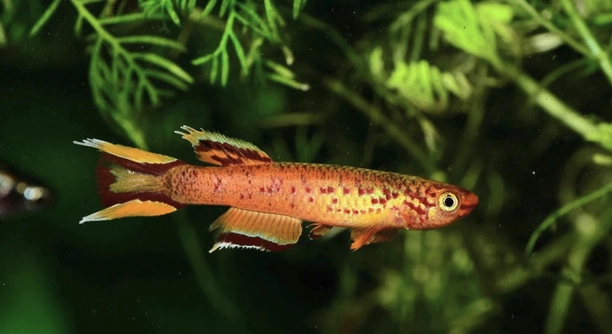
Killi fry are small, delicate fish often kept in aquariums. Their dietary needs are specific to support healthy growth and development. Many aquarists wonder about the best feeding practices for these tiny creatures.
Killi fry cannot thrive on powdered foods only. While powdered food can supplement their diet, they require live or frozen foods to provide essential nutrients and promote proper growth. A varied diet is critical for their health and survival.
Understanding the nutritional needs of killi fry helps ensure they develop properly and remain healthy in captivity. This article explores the best feeding options for these fragile fish.
Why Killi Fry Need More Than Powdered Foods
Killi fry are in a critical growth stage and need varied nutrition. Powdered foods alone often lack the necessary proteins and fats essential for their development. While powders can be convenient, they don’t fully meet the dietary needs of young fry. Live foods like micro-worms, baby brine shrimp, and daphnia provide essential nutrients and stimulate natural hunting behavior. These live foods promote better digestion and faster growth. Without a proper diet, killi fry can become weak or develop deformities. Offering only powdered food risks stunted growth and health problems. It’s important to balance powdered supplements with quality live or frozen foods. This combination helps ensure fry receive adequate vitamins, minerals, and proteins. Feeding small amounts frequently also mimics their natural feeding habits, improving nutrient absorption and overall vitality. Overall, relying solely on powdered foods limits the fry’s potential for healthy development.
Powdered foods alone do not meet all the nutritional requirements for killi fry, risking poor health and growth.
Including a mix of live foods provides essential nutrients and encourages natural behaviors. Regular feeding intervals improve digestion and nutrient use. Powdered foods are helpful but should be part of a diverse diet to support strong and healthy fry development.
Signs Killi Fry Are Not Thriving on Powdered Foods
When killi fry are fed only powdered foods, signs of poor health can appear quickly. They may show sluggish swimming, reduced appetite, or visible deformities like curved spines. These symptoms indicate nutritional deficiencies. Additionally, powder often dissolves quickly, leading to water quality issues, which further stresses fry. Poor water quality can stunt growth and increase vulnerability to disease. Overfeeding powdered food can cloud the water, causing stress and lowering oxygen levels. Careful feeding and water maintenance are necessary to prevent these problems. Observing your fry regularly helps catch early warning signs. Adjusting their diet by introducing live or frozen foods can improve health and vitality. Consistent water changes and tank cleaning also support a stable environment, allowing fry to thrive. Powdered food should be used cautiously and never as the sole diet.
Maintaining water quality and providing varied nutrition are both essential to prevent health problems in killi fry.
Feeding live foods alongside powders improves health outcomes. Regular tank maintenance is key to keeping fry strong and active.
How to Introduce Live Foods to Killi Fry
Introducing live foods gradually is important for killi fry. Start by offering small amounts alongside powdered foods. This helps them adjust to different textures and stimulates natural feeding behavior.
Begin with easy-to-catch live foods like infusoria or newly hatched brine shrimp. These tiny prey fit well with the fry’s size and provide essential nutrients. Monitor how well the fry respond and adjust quantities as needed. Over time, increase the frequency of live feedings while reducing powdered food. Properly introducing live foods boosts fry development and survival rates.
Careful observation during feeding times is crucial. If the fry seem hesitant or ignore the new food, try different live options or smaller portions. Avoid overfeeding to maintain good water quality. The goal is to encourage healthy eating habits and ensure fry receive balanced nutrition. Patience and consistency during this transition help fry thrive and grow strong.
Managing Water Quality When Feeding Powdered and Live Foods
Maintaining clean water is vital when feeding killi fry both powdered and live foods. Uneaten particles from powders can quickly pollute the tank, causing harmful ammonia spikes. Live foods can also increase biological waste. Regular water changes prevent toxin buildup and support healthy fry.
Use a gentle filtration system to avoid harming the fry while keeping water clear. Feed small amounts multiple times daily to reduce leftover food. Observe the tank daily for cloudiness or debris. Adjust feeding habits accordingly to maintain optimal water conditions. Consistent monitoring and cleaning create a safer environment, promoting fry growth and reducing stress.
Balancing nutrition and water quality demands careful feeding practices. Keeping the tank clean allows fry to benefit fully from their diet. Proper water management supports overall health and longevity during these critical early stages.
Alternatives to Powdered Foods for Killi Fry
Live foods such as baby brine shrimp, micro-worms, and daphnia are excellent alternatives. These options provide essential proteins and fats that powdered foods often lack.
Frozen foods can also be used as a supplement. They retain nutrients better than powders and are easier to store and handle than live feed.
Feeding Frequency for Killi Fry
Killi fry require frequent feeding to support their rapid growth. Offering small portions every two to three hours during the day is ideal. This ensures constant nutrient availability and mimics their natural feeding patterns. Overfeeding should be avoided to maintain water quality and prevent stress. Consistency in feeding times helps develop healthy routines and improves overall survival rates.
Preparing Powdered Foods Safely
Always use high-quality powdered foods designed for fry. Store them in a cool, dry place to maintain freshness and nutrient content. Avoid overfeeding to prevent water pollution and health issues.
FAQ
Can Killi fry survive on powdered food alone?
Killi fry cannot survive healthily on powdered food alone. Powdered food lacks some essential nutrients like certain proteins and fats that live or frozen foods provide. While powdered food can be part of their diet, it should be supplemented with live or frozen foods to ensure proper growth and development.
What types of live foods are best for Killi fry?
Baby brine shrimp, micro-worms, and daphnia are among the best live foods for killi fry. These tiny organisms are easy for the fry to eat and contain the necessary nutrients for growth. Live foods also encourage natural hunting behavior, which supports healthy development.
How often should I feed Killi fry?
Killi fry should be fed small amounts frequently, ideally every two to three hours during the daytime. This frequent feeding mimics their natural habits and ensures they receive a steady supply of nutrients. Overfeeding should be avoided, as leftover food can degrade water quality.
Can frozen foods replace live foods for Killi fry?
Frozen foods can be a good supplement but are generally less stimulating than live foods. They retain more nutrients than powders and are easier to store. However, live foods still provide benefits like encouraging natural feeding behavior and are often preferred for optimal fry health.
What are the signs that Killi fry are not getting enough nutrition?
Signs include slow growth, weak swimming, decreased appetite, and deformities like curved spines. Poor water quality caused by uneaten food can also stress fry. If these signs appear, it’s important to adjust the diet by introducing more live or frozen foods and improving tank maintenance.
Is it safe to feed only powdered food to save time?
Feeding only powdered food may seem convenient but is not safe long-term. Powdered food lacks some vital nutrients and can contribute to poor water quality if overfed. Combining powdered food with live or frozen options ensures a balanced diet and better water conditions.
How should I introduce live foods to Killi fry used to powdered diets?
Start by offering small amounts of live foods alongside their usual powdered food. Watch how they react and adjust the portions slowly. Patience is important as some fry may take time to recognize and accept new food types. Gradually increasing live feedings will improve their nutrition.
What water conditions are best when feeding mixed diets to Killi fry?
Clean water with stable parameters is critical. Uneaten powdered food can cloud water quickly, so regular water changes and gentle filtration are necessary. Keeping the water clear reduces stress and supports healthy digestion. Feeding smaller amounts helps maintain water quality.
Can overfeeding powdered food harm Killi fry?
Yes, overfeeding powdered food leads to excess waste and poor water quality. This can cause ammonia spikes and lower oxygen levels, stressing the fry and increasing disease risk. Feeding smaller, more frequent portions prevents waste buildup and keeps the tank environment stable.
Are there special powders formulated for Killi fry?
Some powdered foods are specifically made for fry, containing higher protein and essential nutrients. These are better than general fish powders but still should be combined with live or frozen foods for best results. Always check the product label to ensure it suits young fry’s needs.
How do I store powdered foods to keep them fresh?
Store powdered foods in a cool, dry place away from sunlight. Keep the container tightly sealed to avoid moisture and contamination. Fresh powders retain more nutrients and reduce the risk of water pollution when used. Replace powders regularly according to the expiration date.
What if my Killi fry refuse powdered food?
If fry refuse powdered food, it may be due to texture or taste preferences. Try mixing the powder with live food or switching brands. Offering finely crushed live or frozen foods can encourage feeding. Observing and adjusting feeding practices helps ensure they get enough nutrition.
Is feeding live food more difficult than powdered food?
Feeding live food can require more effort since it involves culturing or purchasing live organisms. However, it provides better nutrition and stimulates natural behaviors. Using frozen foods as a middle ground can reduce effort while maintaining a varied diet.
Can I use powdered food exclusively after fry grow bigger?
Even as killi fry grow, a varied diet remains important. Larger fry can tolerate a wider range of foods, but a mix of live, frozen, and powdered foods is best to maintain health. Transitioning too quickly to powdered food risks nutrient deficiencies.
How do I prevent water quality problems when feeding powdered and live foods?
Feed small amounts multiple times a day to avoid excess leftovers. Use gentle filtration and perform regular water changes. Remove uneaten food promptly. Maintaining a clean tank environment reduces stress and promotes healthy growth in killi fry.
Killi fry are delicate and require careful attention to their diet for healthy growth. Feeding them only powdered foods is not enough to meet their nutritional needs. Powdered foods can be a helpful supplement, but they lack some important nutrients that live or frozen foods provide. These nutrients are essential for the fry’s development, strength, and survival. By combining powdered foods with live or frozen options, the fry get a balanced diet that supports their natural growth processes.
Feeding killi fry properly also means paying attention to how often and how much you feed them. They need small, frequent meals to keep their energy up and to promote steady growth. Overfeeding can cause water quality problems, which can stress the fry and slow their development. Maintaining clean water is just as important as providing good nutrition. Regular water changes and careful feeding habits help keep the tank environment healthy and reduce the risk of disease or stress in the fry.
Overall, taking the time to provide a varied diet and good tank conditions will give your killi fry the best chance to grow strong and healthy. While powdered foods are convenient, they should not be the only food source. Introducing live and frozen foods helps mimic their natural diet and encourages better growth. Observing the fry’s behavior and health closely can guide adjustments in feeding and care. With patience and attention to these details, killi fry can thrive and reach their full potential.

Hello,
If you enjoy the content that we create, please consider saying a "Thank You!" by leaving a tip.
Every little bit helps us continue crafting quality advice that supports the health, happiness, and well-being of pets around the world, for pets of all shapes, sizes, and species.
We really appreciate the kindness and support that you show us!